Toggle light / dark theme

Left of Launch: Artificial Intelligence at the Nuclear Nexus

Popular media and policy-oriented discussions on the incorporation of artificial intelligence (AI) into nuclear weapons systems frequently focus on matters of launch authority—that is, whether AI, especially machine learning (ML) capabilities, should be incorporated into the decision to use nuclear weapons and thereby reduce the role of human control in the decisionmaking process. This is a future we should avoid. Yet while the extreme case of automating nuclear weapons use is high stakes, and thus existential to get right, there are many other areas of potential AI adoption into the nuclear enterprise that require assessment. Moreover, as the conventional military moves rapidly to adopt AI tools in a host of mission areas, the overlapping consequences for the nuclear mission space, including in nuclear command, control, and communications (NC3), may be underappreciated.

AI may be used in ways that do not directly involve or are not immediately recognizable to senior decisionmakers. These areas of AI application are far left of an operational decision or decision to launch and include four priority sectors: security and defense; intelligence activities and indications and warning; modeling and simulation, optimization, and data analytics; and logistics and maintenance. Given the rapid pace of development, even if algorithms are not used to launch nuclear weapons, ML could shape the design of the next-generation ballistic missile or be embedded in the underlying logistics infrastructure. ML vision models may undergird the intelligence process that detects the movement of adversary mobile missile launchers and optimize the tipping and queuing of overhead surveillance assets, even as a human decisionmaker remains firmly in the loop in any ultimate decisions about nuclear use. Understanding and navigating these developments in the context of nuclear deterrence and the understanding of escalation risks will require the analytical attention of the nuclear community and likely the adoption of risk management approaches, especially where the exclusion of AI is not reasonable or feasible.

China Used Exoskeletons to Recover Moon Samples

The team in charge of recovering China’s successfully returned lunar samples in Inner Mongolia wasn’t just futuristic because it was picking up Moon rocks — its members also wore passive exoskeletons to help trudge through the snow, the South China Morning Post reports.

“I would have been exhausted after walking 20 or 30 meters, but with the help of the exoskeleton, 100 meters or more was not a problem,” one of the team members told SCMP. He was tasked with carrying 110 pounds of gear through the deep snow with temperatures well below 0 degrees Fahrenheit.

China is opening the world’s largest radio telescope up to international scientists

Following the collapse of the historic Arecibo Observatory in Puerto Rico, China has opened the biggest radio telescope in the world up to international scientists. In Pingtang, Guizhou province stands the Five-hundred-meter Aperture Spherical Telescope (FAST), the largest radio telescope in the world, surpassing the Arecibo Observatory, which stood as the largest in the world for 53 years before the construction of FAST was completed in 2016. Following two cable failures earlier this year, Arecibo’s radio telescope collapsed in November, shutting down the observatory for good. Now, FAST is opening its doors to astronomers from around the world.

China Moon Samples: Headed for the Lab (Updated)

Like.


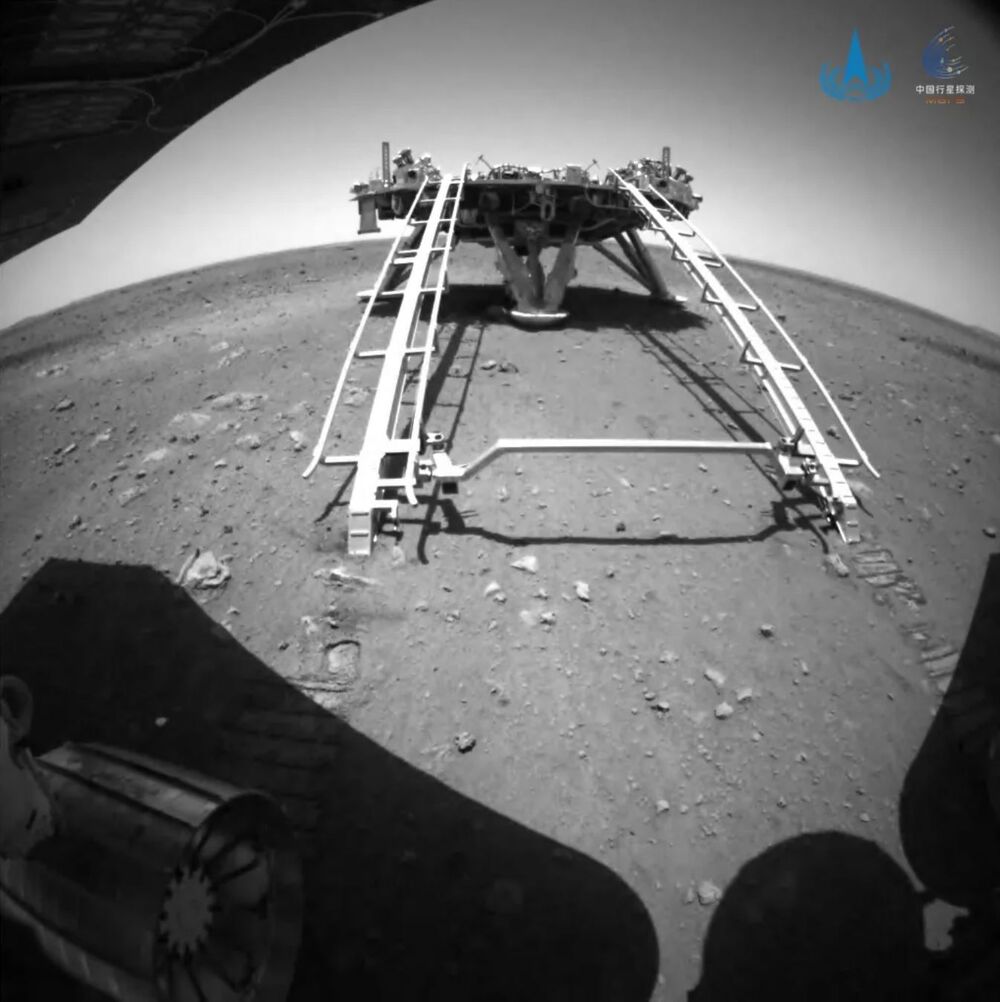
The Chang’e-5 returner capsule carrying lunar samples is headed for a Beijing laboratory for opening, with an eagerly awaiting research team set to study the fresh Moon specimens.

Given the success of the lunar exploration mission, China space officials say a next step is to cooperate with scientists of other nations to analyze the Moon samples.

A 3-floor apartment building is being built in Germany with a 3D printer — see how it’s being done

A three-floor apartment building is being constructed by Peri, a formwork and scaffolding maker, with the help of a 3D construction printer.

Germany-based Peri isn’t a newcomer to the ever-growing 3D construction printing segment. The apartment building is currently being printed in Bavaria, Germany, and the project was unveiled only two months after Peri announced i t was creating Germany’s first 3D printed two-story detached home.

Unlike the first project, this upcoming three-floor apartment building will contain 4, 090 square feet of occupiable space in the form of five apartment units and a basement. The units will be available in different sizes, good for both single occupants and families, Peri’s global business development manager of 3D construction printing Jan Graumann told Business Insider in an email interview.

NASA’s plan for an off-world colony: a floating city above Venus

Circa 2015


Imagine a blimp city floating 30 miles above the scorching surface of Venus – a home for a team of astronauts studying one of the solar system’s most inhospitable planets.

NASA is currently doing just that; floating a concept that could one day see a 30-day manned mission to Earth’s closest planetary neighbor.

Eventually, the mission could involve a permanent human presence suspended above the planet.

/* */