#PlanetExplorers brings you epic stories of exploration and discovery around five bodies in our solar system, told by the scientists who love and study them.
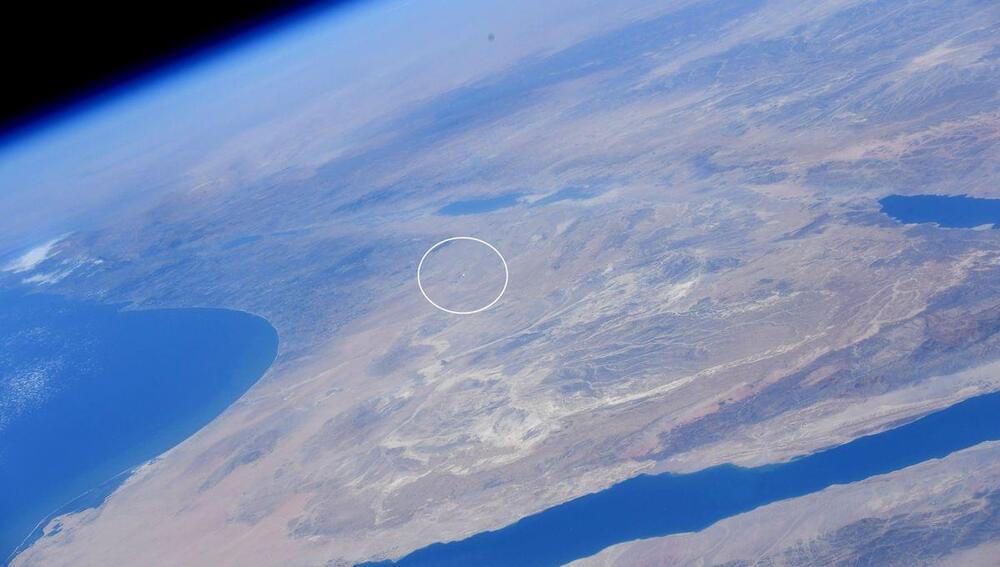
NASAâs Mars helicopter has run into a bit of trouble after 28 successful flights and well over an entire dusty Earth year into its mission on the Red Planet.
One of the four-pound rotorcraftâs navigation sensors has given out â an unfortunate new development, especially considering Martian winter is almost upon it. Extreme temperature swings could soon wreak havoc on the rest of the helicopterâs electronics.
But the team at NASAâs Jet Propulsion Lab says their plucky rotorcraft isnât finished yet.
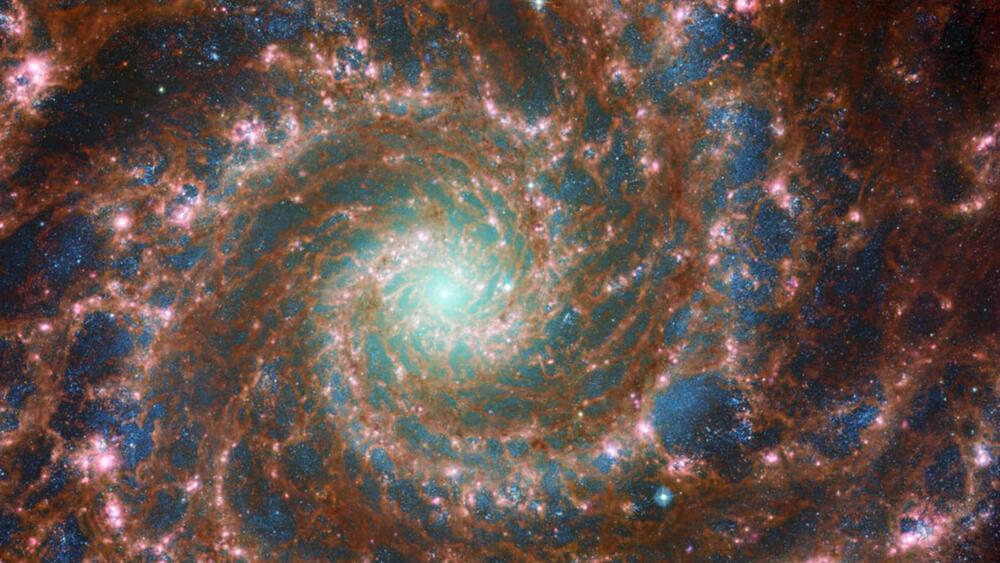
Scientists who study the cosmos have a favorite philosophy known as the âmediocrity principle,â which, in essence, suggests that thereâs really nothing special about Earth, the sun or the Milky Way galaxy compared to the rest of the universe.
Now, new research from CU Boulder adds yet another piece of evidence to the case for mediocrity: Galaxies are, on average, at rest with respect to the early universe. Jeremy Darling, a CU Boulder astrophysics professor, recently published this new cosmological finding in The Astrophysical Journal Letters.
âWhat this research is telling us is that we have a funny motion, but that funny motion is consistent with everything we know about the universe âthereâs nothing special going on here,â said Darling. âWeâre not special as a galaxy or as observers.â
During my research, preparing my next presentations, i found this beautiful speech by Krafft Ehricke, in 1984, before he passed away.
Every single word is a precious teaching, a beautiful lecture on natural philosophy.
Ehricke was discussing against the claimed âlimits to growth\.
The great space visionary Krafft A. Ehricke gave this comprehensive presentation on the industrialization and settlement of the Moon at the âLunar Bases and Space Activities of the 21st Centuryâ conference, held Oct. 29â31, 1984, at the National Academy of Sciences, Washington, DC.
Ehrickeâs accompanying paper can be found here: http://www.lpi.usra.edu/publications/books/lunar_bases/LSBchapter12.pdf.