Watch India launch a probe to the sun and Japan attempt its first landing on the moon.
https://youtube.com/shorts/3Scor5OKlrA?si=iScxZzBhLzB81seI
Finally reality is catching up to science fiction from the golden age and weâre seriously talking about moving industry to space and zoning the earth as residentialâŠ
Subscribe for more daily content!Joe Rogan Experience #1233For COPYRIGHT ISSUES, please contact us at: [email protected]
At a time in history when too many things seem to be heading in the wrong direction, I believe there is still hope. Lots of it, actually.
Last week I was reminded that the best is still ahead of us, and the people who will lead this increasingly challenging space world are not just those from the Ivy League or historically elite coasts. While they may have extraordinary resources, they havenât cornered all the best students and ideas to solve our most vexing space problems. Across the country, thousands of students are thinking about how to tackle tomorrowâs challenges â uninhibited by the confines of the traditional military-industrial acquisition process of the last generation and armed with the âwhy notâ attitude propagated by new pioneers in commercial space.
To hone in on the pockets of creative genius found across the United States, this past year the SmallSat Alliance hosted its first annual Collegiate Space Competition. The design challenge, sponsored and staffed by the space companies that comprise the Alliance, is open to every college and university student in the U.S. â technical or non-technical, from junior colleges to traditional universities. The students are presented with real world space problems that could be partially solved with low cost, off the shelf space systems and components, specifically the new generation of commercially available small satellite technologies.
The mission will observe the Sun from a unique vantage point and explore its activity and influence on space weather.
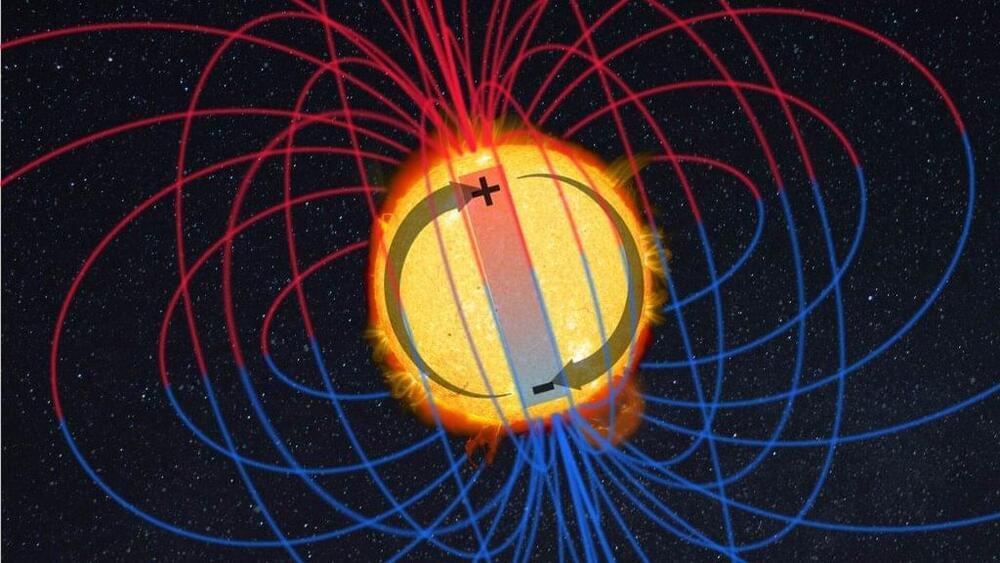
As nations across the world expand their exploratory missions into outer space, India is taking a crucial leap forward by setting its sights on our solar systemâs most vital celestial body: the Sun. Slated for launch on September 2nd, Indiaâs first-ever solar mission, Aditya-L1, has arrived at its launch pad at the Sathish Dhawan Space Centre SHAR in Sriharikota, off the eastern coast of India.
Source: ISRO
The announcement.
Get information on the Smart Lander for Investigating Moon (SLIM). The Japan Aerospace Exploration Agency (JAXA) performs various activities related to aerospace as an organization, from basic research in the aerospace field to development and utilization.
The Apogee+ exoskeleton aims to help support caregivers in healthcare settings. | Source: German Bionic.
German Bionic has unveiled the Apogee+, a powered exoskeleton for the North American healthcare market. Apogee+ aims to merge cutting-edge robots with research-backed, data-driven insights to better support caregivers.
Apogee+ is designed to provide personal lift assistance to caregivers, and it specifically addresses concerns with care worker safety and job satisfaction. This is German Bionicâs first foray into the healthcare space, and the mover underscores its success in industrial settings.
Crafting organic molecules into a bizarre kind of magnet, physicists from Aalto University and the University of JyvÀskylÀ in Finland have created the perfect space for observing the elusive activity of an electronic state called a triplon.
Where a garden variety magnet is typically best described as having two poles surrounded by a nest of field lines, the curious construct known as a quantum magnet defies such a simple description.
As is the case any time the word âquantumâ appears, you can imagine a landscape where nothing is certain. Like spinning roulette wheels in a dimly lit casino, all states are a maybe until the croupier says âno more betsâ.
There is a joke about the daughter who asks her dad why he speaks so quietly around the house. âBecause there is artificial intelligence everywhere that is listening to what we say,â the dad replies. The daughter laughs, the father laughs. And Alexa laughs.
Artificial intelligence does seem to be injecting itself into more and more aspects of our lives. And as AI brains earn the equivalent of a million doctoral degrees while absorbing trillions of bits of data and in turn generate responses with an engaging tone and demeanor that sound as simple and humanlike as your favorite old college professor, some feel compelled to ask: Are computers becoming sentient?
A cynic would respond, âOf course not. Computers may solve problems in seconds that would take humankind generations to solve, but they canât feel love and pain, canât see and appreciate the moon and the stars, canât smell the coffee we spill on the keyboard.â