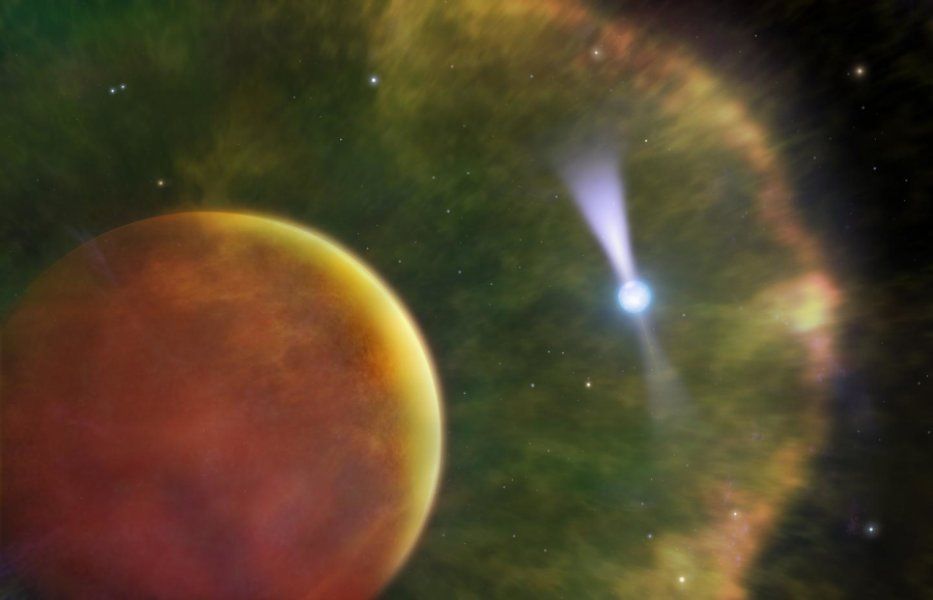
A team of astronomers has performed one of the highest resolution observations in astronomical history by observing two intense regions of radiation, 20 kilometres apart, around a star 6500 light-years away.

Although Hurricane Patricia was one of the most powerful storms ever recorded, that didn’t stop the National Oceanic and Atmospheric Administration (NOAA) from flying a scientific aircraft right through it. Now, the researchers have reported their findings, including the detection of a beam of antimatter being blasted towards the ground, accompanied by flashes of x-rays and gamma rays.
Scientists discovered terrestrial gamma-ray flashes (TGFs) in 1994, when orbiting instruments designed to detect deep space gamma ray bursts noticed signals coming from Earth. These were later linked to storms, and after thousands of subsequent observations have come to be seen as normal parts of lightning strikes.
The mechanisms behind these emissions are still shrouded in mystery, but the basic story goes that, first, the strong electric fields in thunderstorms cause electrons to accelerate to almost the speed of light. As these high-energy electrons scatter off other atoms in the air, they accelerate other electrons, quickly creating an avalanche of what are known as “relativistic” electrons.

System-sounds.com converts the orbits of Jupiter moons Io, Europa, Ganymede and Calisto into a mind-bending visual and audio experience.
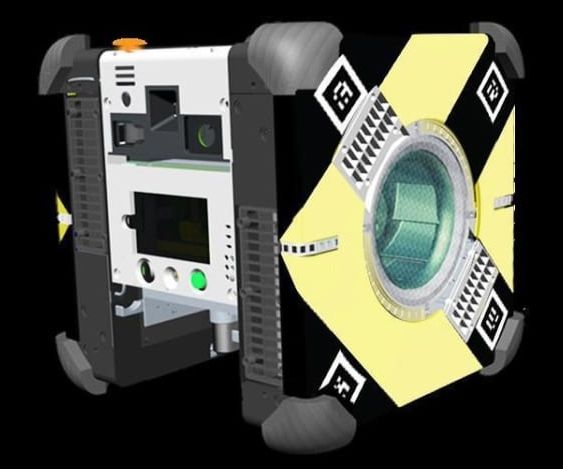
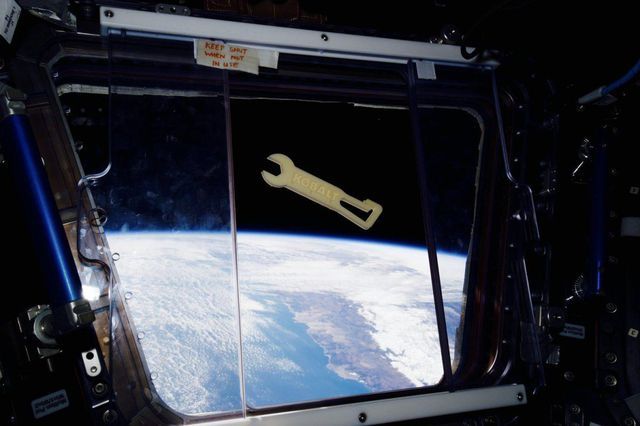
When history’s pilgrims and pioneers arrived in a new territory, they used the land’s natural resources to build their settlements. Space colonists, on the other hand, will have to bring materials from Earth and assemble them on Mars. Andrew Rush, president and CEO of space-based manufacturing firm Made In Space, believes the process of creating off-world infrastructure will be similar to building IKEA furniture. Only the parts will be made with an advanced 3D printer and put together by an autonomous robot.
“We think the future of in-space operation is one of manufacturing and assembly, just like how you built the table you’re sitting on right now,” Rush says. “That table is a multi-material object, and its pieces were all manufactured in different ways. I don’t think space colonies are going to take a different approach.”
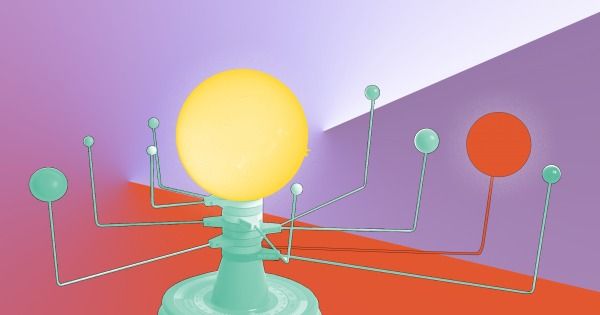
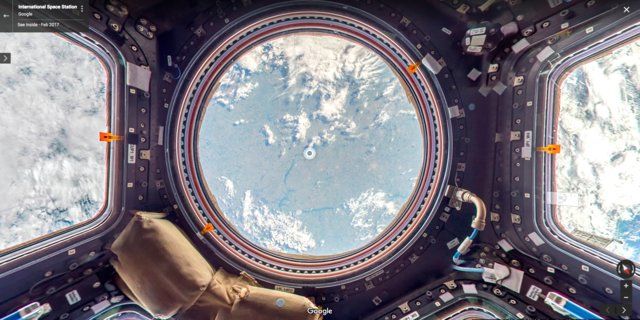
Most people just use Google Maps to get directions from A to B, but it’s also an incredible educational tool in its own right.
Using Google Maps is a great way to learn more about the various cities and countries around the world. But many people might not know that Google Maps can also be used to explore other worlds besides Earth.
That’s right: If you visit Google Maps and zoom out far enough, you’ll have the option to explore several planets and moons in our own solar system.
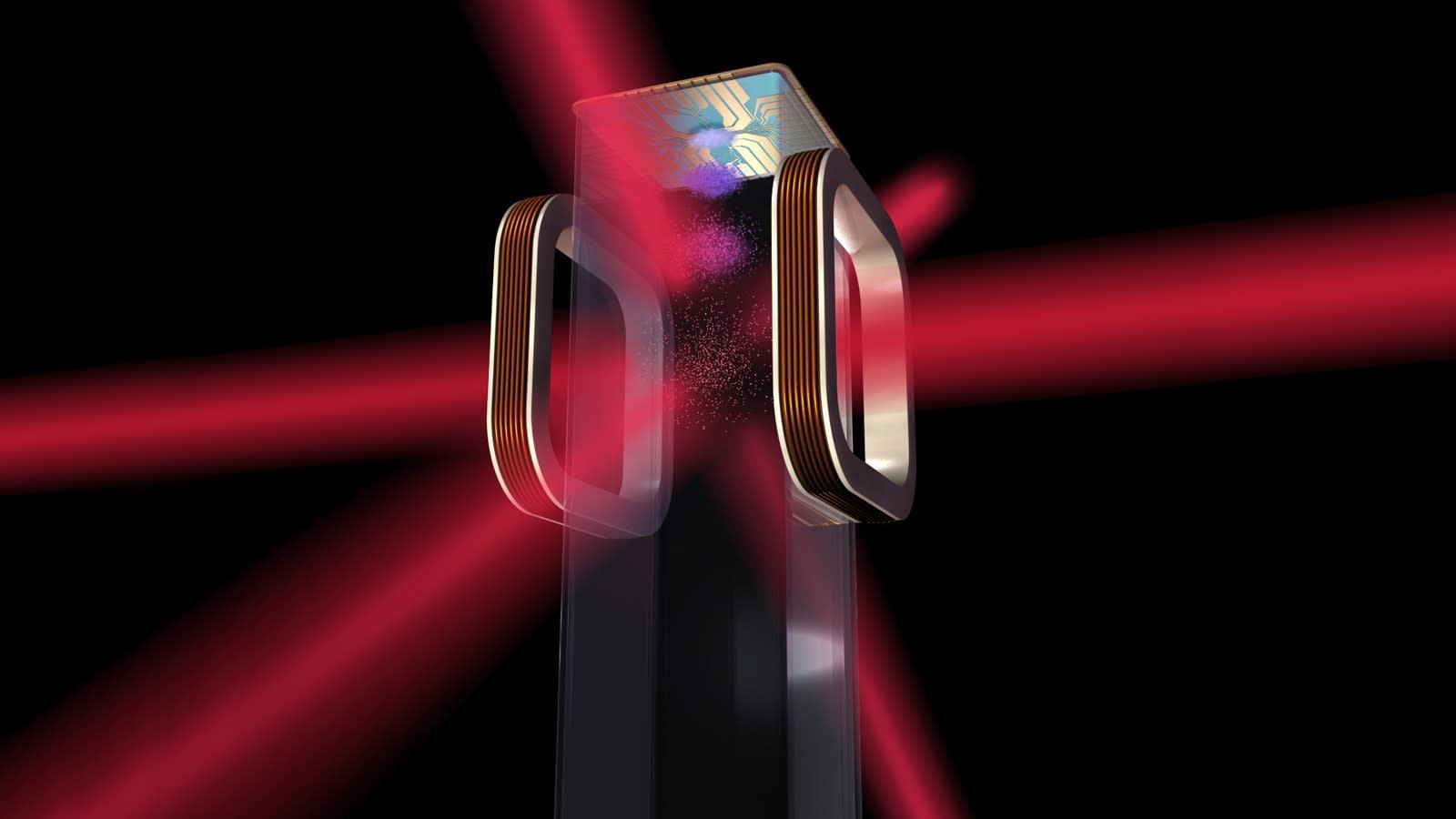
An Antares rocket launched from Virginia before sunrise this morning and is on its way to the International Space Station. Its 7,400 pounds of cargo include an experiment that will chill atoms to just about absolute zero—colder than the vacuum of space itself.
The Cold Atom Laboratory (CAL) is set to create Bose-Einstein condensates on board the ISS. But what’s a Bose-Einstein condensate? And why make it in space?
“Essentially, it’s going to allow us to do different kinds of things than we’d be able to do on Earth,” Gretchen Campbell, co-director of the University of Maryland’s Joint Quantum Institute, told Gizmodo.
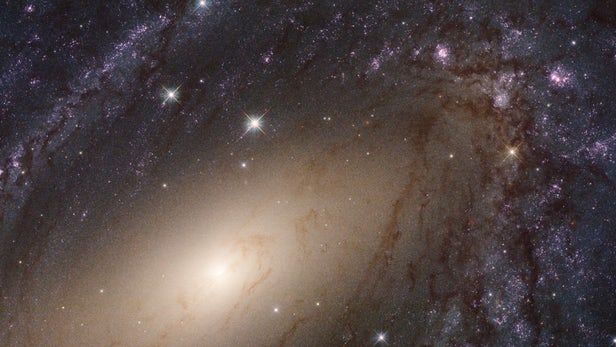
An international team of astronomers has completed the most comprehensive ultraviolet survey of the local universe to date, with the help of the venerated Hubble Space Telescope. The newly-released survey data will help scientists to better understand how stars come to form, and the processes by which galaxies like our own Milky Way evolve over time.