Get past the jargon and buzzwords surrounding neural networks and learn what they have to do with machine learning and data science.
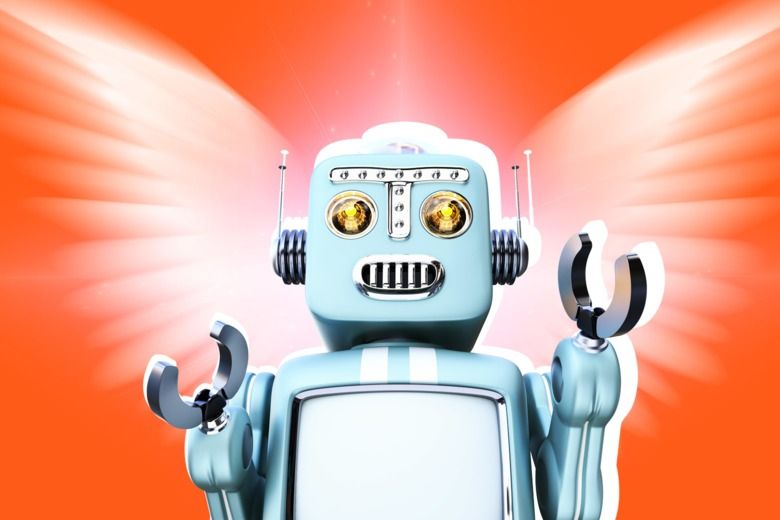
Millenials grew up under the technological halo of Moore’s law, enjoying booming exponential growth of computation power that ushered in the information age. It should come as no surprise that transhumanism has earned a degree of mainstream acceptance—from Hollywood movies to magazine covers and the latest sci-fi TV. Transhumanist beliefs will continue to permeate culture as long as the promise of technological progress holds its end of the bargain.
For transhumanist faiths, technology becomes a way of cashing checks religion helped write.
For instance, Silicon Valley engineer Anthony Levandowski—whom you may know from the Uber-Waymo lawsuit over self-driving car technology—recently launched the Way of the Future Church, a new religious organization based on developing godlike artificial intelligence. On its website, the Way of the Future states, “We believe the creation of ‘super intelligence’ is inevitable,” and according to IRS documents detailed by Wired, this new religion seeks “the realization, acceptance, and worship of a Godhead based on Artificial Intelligence (AI) developed through computer hardware and software.” This exuberance departs from the cautious stance toward A.I. taken by Hawking, Musk, and others who warn that artificial superintelligence could pose an existential threat. However, regardless of whether artificial superintelligence is seen as an angel or a demon, Hawking, Musk, and A.I. evangelists alike share the common belief that this technology should be taken seriously.
Get the best of Smithsonian.com by email. Keep up-to-date on:
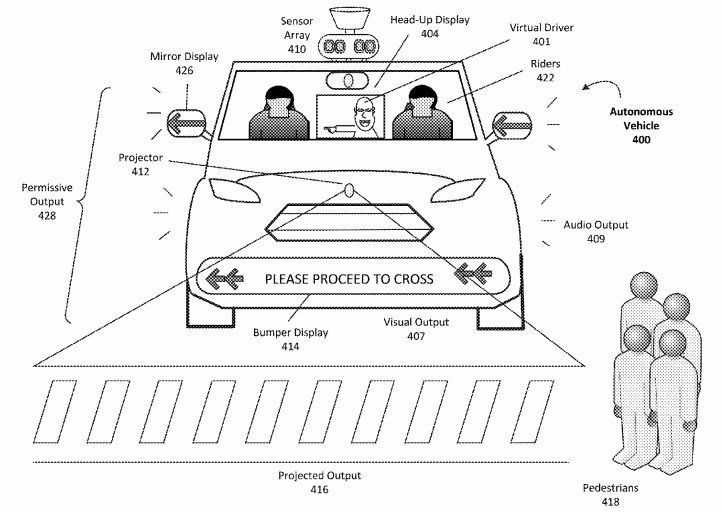
Reaching the highest levels of safety for self-driving cars will depend on how well the cars are engineered to know when communications are needed, and to be able to communicate with other cars, with bikes, with people on foot. Where to go? When to walk?
Uber Technologies has filed a patent toward that end, with a discussion on how self-driving cars might communicate with pedestrians.
The patent title is “Light output system for a self-driving vehicle.” The patent applicant is Uber Technologies.
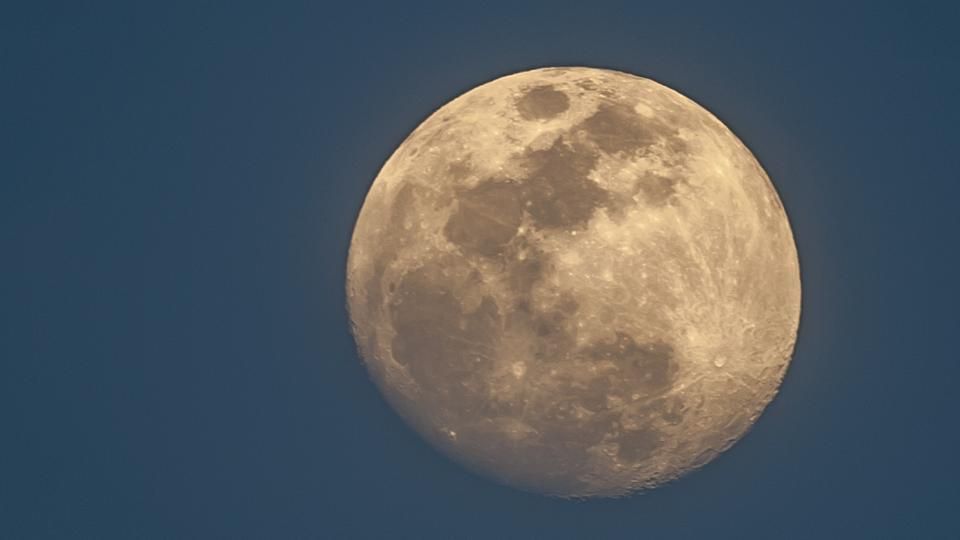
Scientists have mapped 6,000 new craters on the Moon with the help of a newly developed technique based on artificial intelligence (AI).
“When it comes to counting craters on the Moon, it’s a pretty archaic method,” said Mohamad Ali-Dib from the University of Toronto, Scarborough in Canada.
“Basically we need to manually look at an image, locate and count the craters and then calculate how large they are based off the size of the image. Here we’ve developed a technique from artificial intelligence that can automate this entire process that saves significant time and effort,” Ali-Dib said.
Raising the bar for AI
The Chinese game of Go is considered one of the most complex games of strategy in human history. In 2016, AlphaGo, a computer programme created by London-based engineers, beat Lee Sedol, a top player of the game. AlphaGo went on to beat several of the world’s best players before it was retired from the game to focus on even more challenging global problems.
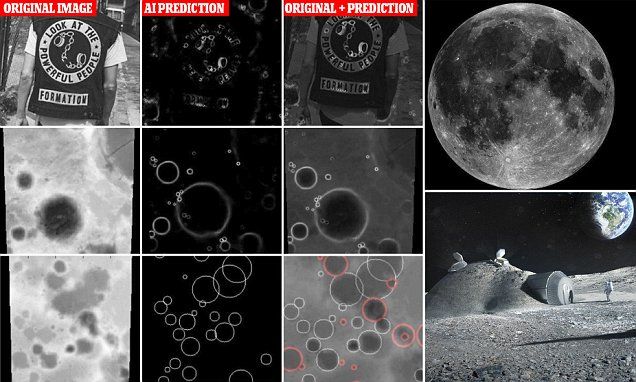
AI spots nearly 7,000 undiscovered craters on the moon within a matter of hours — and one could some day host a lunar colony…
The finding was made by a team of researchers led by Ari Silburt at Penn State University and Mohamad Ali-Dib at the University of Toronto.
They fed 90,000 images of the moon’s surface into an artificial neural network (ANN).
ANNs try to simulate the way the brain works in order to learn and can be trained to recognise patterns in information.
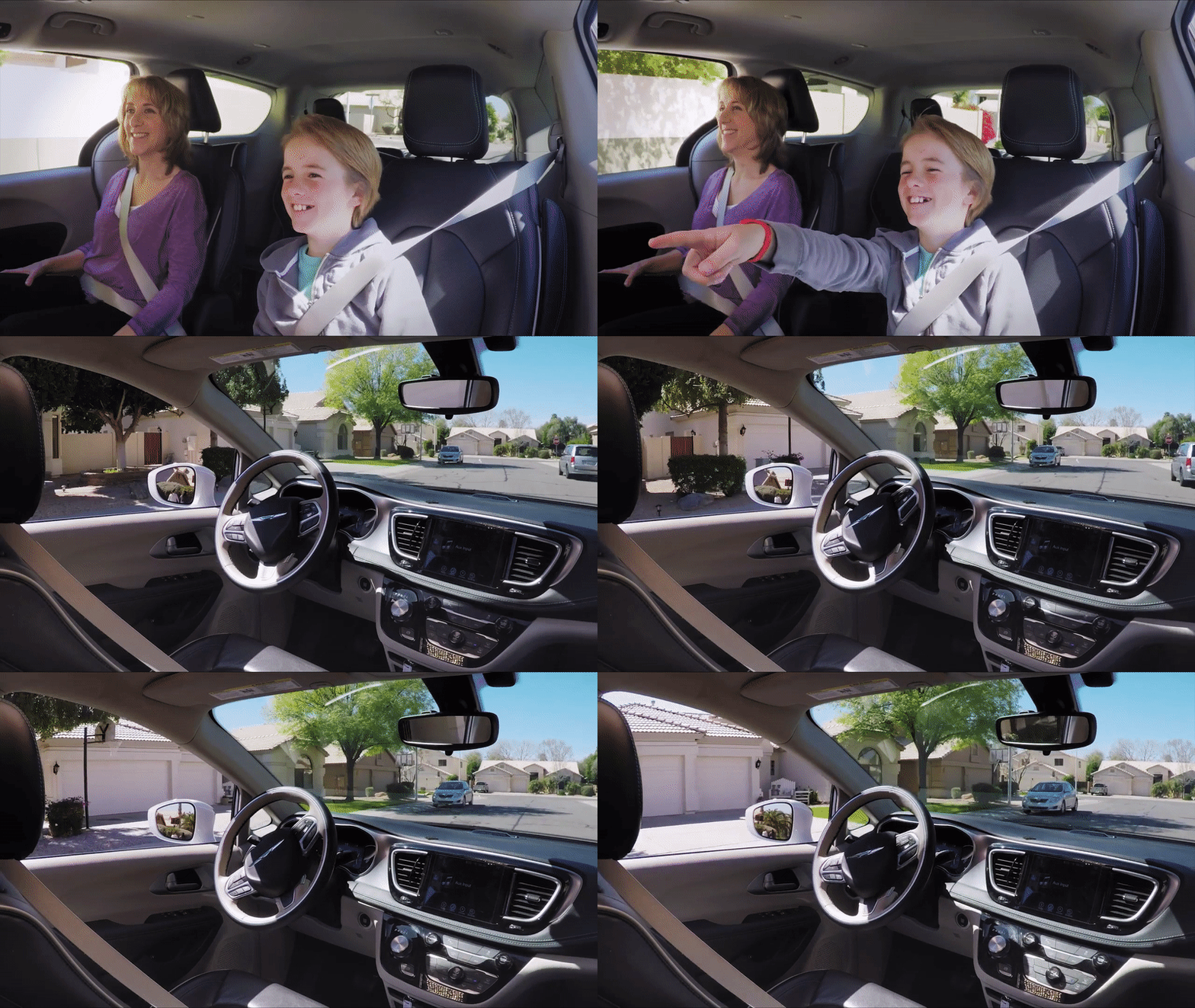
The future arrived, and it’s a minivan. Waymo’s fleet of totally driverless cars in Phoenix, Arizona, now lets members of the public hail a ride around the suburbs.
The news: Waymo’s CEO, John Krafick, announced at SXSW in Austin, Texas, that the firm is offering trips to so-called “early riders”—the first people to have signed up to use its robotic Chrysler Pacifica taxis. The minivans don’t have a safety driver behind the wheel, but someone can take control remotely if necessary.
Why it matters: The cars have been in testing without a safety driver for a few months. But this long-awaited advance is the first time people have been able to simply hail a totally driver-free ride using an app, as they would an Uber. It’s a big moment for a firm that hopes to turn its autonomy tech into a viable business by offering driverless rides.

There are several ways we can deal with the troubles that lie ahead during the transition to full automation. Some experts and companies are exploring basic income, the centuries-old idea of giving unconditional money to all citizens, enough for them to live their lives. Other thought leaders such as Bill Gates are proposing robot taxes, where companies that use automation pay certain fees for the jobs they take away from humans. Other solutions might emerge.
Automation will continue to move forward at an accelerating pace. We don’t need to fear about the destination. Instead, we must prepare ourselves for the rocky road ahead. I’m not worried about the robots taking all the jobs. I’m worried about them leaving some to the humans.