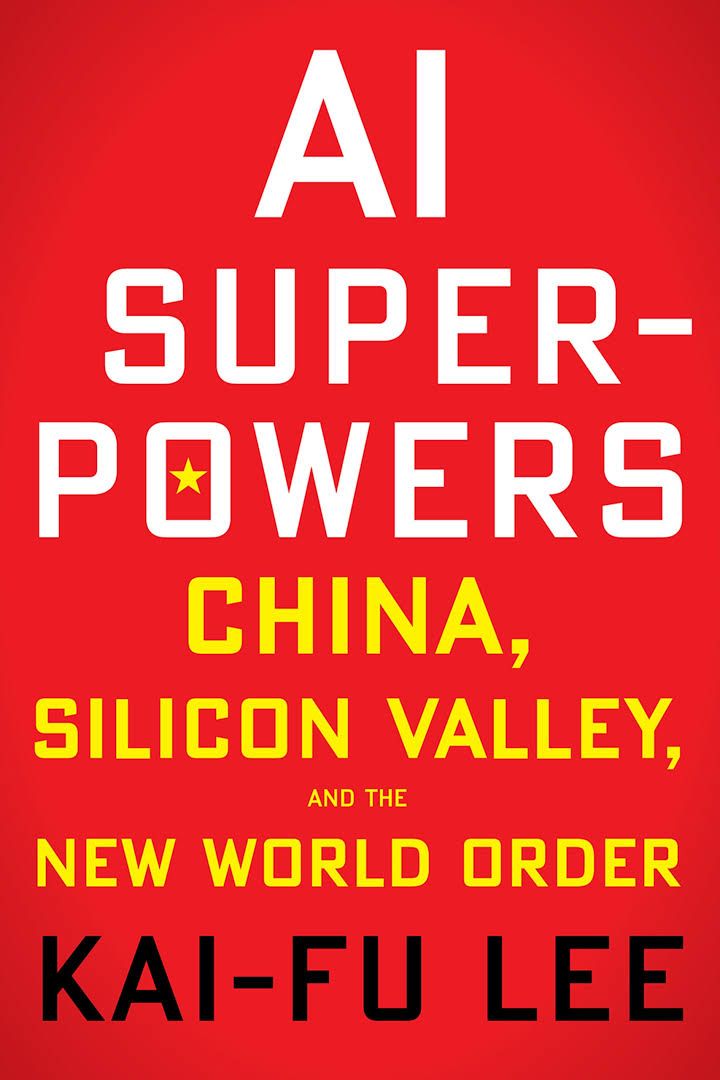
What is happening with the future of AI, and how will it alter geopolitics? That’s the kind of question that motivates our company, and our preparation for our fall conference. China looks strong. Beijing-based computer scientist, investor, and author Kai-Fu Lee will be one of several interpreters.
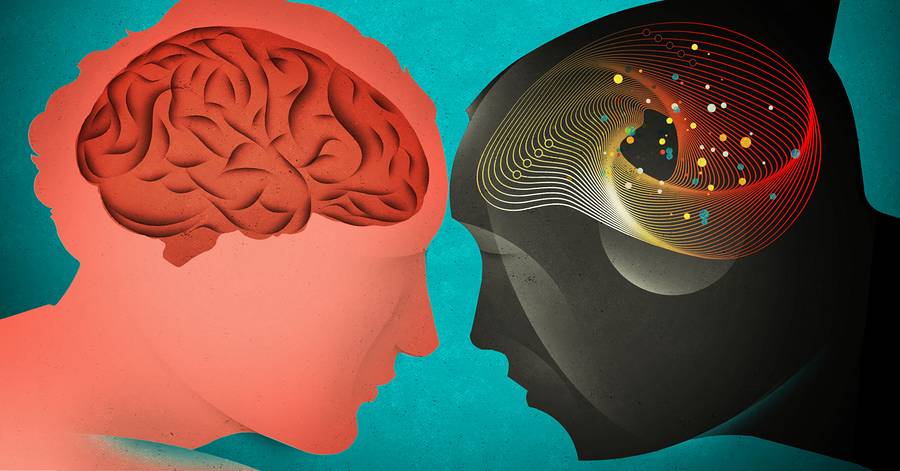
That’s what we are after, with AI. Understanding intelligence in machines, animals and humans, is one of the great scientific challenges of our times and building intelligent machines is one of the greatest technological challenges of our times. No single entity in industry, academia or public research has a monopoly on the good ideas that will achieve these goals. It’s going to take the combined effort of the entire research community to make progress in the science and technology of intelligence.
Facebook is taking an unusual recruitment model championed in law and medicine and applying it to artificial intelligence — and it’s working.
In Machine Learning one of the biggest problem faced by the practitioners in the process is choosing the correct set of hyper-parameters. And it takes a lot of time in tuning them accordingly, to stretch the accuracy numbers.
For instance lets take, SVC from well known library Scikit-Learn, class implements the Support Vector Machine algorithm for classification which contains more than 10 hyperparameters, now adjusting all ten to minimize the loss is very difficult just by using hit and trial. Though Scikit-Learn provides Grid Search and Random Search, but the algorithms are brute force and exhaustive, however hyperopt implements distributed asynchronous algorithm for hyperparameter optimization.
The question today is, do you think Replika is really cool artificial intelligence and you cannot wait to use it or is it a creepy, invasive, soul stealing app that is going too far?
Replika.ai Cool artificial intelligence that you cannot wait to use or a creepy, invasive, soul sucking way to degrade your humanity.
I think we have finally entered the rapid exponential runaway phase of the technological Singularity. As we’ve already seen in the last year year-and-a-half, we are in an era of unprecedented chaos and innovation. The invention of multifidus AI is, of course, the driver of the singularity and as we move forward people like Musk will become ever more importance to the future of our species.
Having a president like Donald Trump can I think, be taken as just another symptom of this period of time. It might not seem like Donald Trump has anything to do with the singularity. He, PERSONALLY, doesn’t, really. But the methods of his madness are the salient data point here. His use of Twitter VERY quickly changed the way millions of people communicate. It changed how they view the world, and their place within it. They have fallen to theiir knees in hypocritically and ENTIRELY UNFORGIVEABLE SUBMISSION to the SICKLY malevolent STUPIDITY that is embodied in the orange, spoiled meat named Donald J Trump. The Right has finally drunk the Kool-Aid that they’ve been serving everyone else for years and found it to be most unpleasantly bitter. They have been bitten by the hand that feeds them.
AI is a buzzword that gets tossed around often in the business world and in the media, but it is already having tangible effects for a slew of industries — not least those that rely on a significant amount of manual labor.
As AI comes increasingly closer to maturity, and businesses continue to ramp up investments in it, some worry that not enough attention is being paid to the broader social and moral implications of the technology.
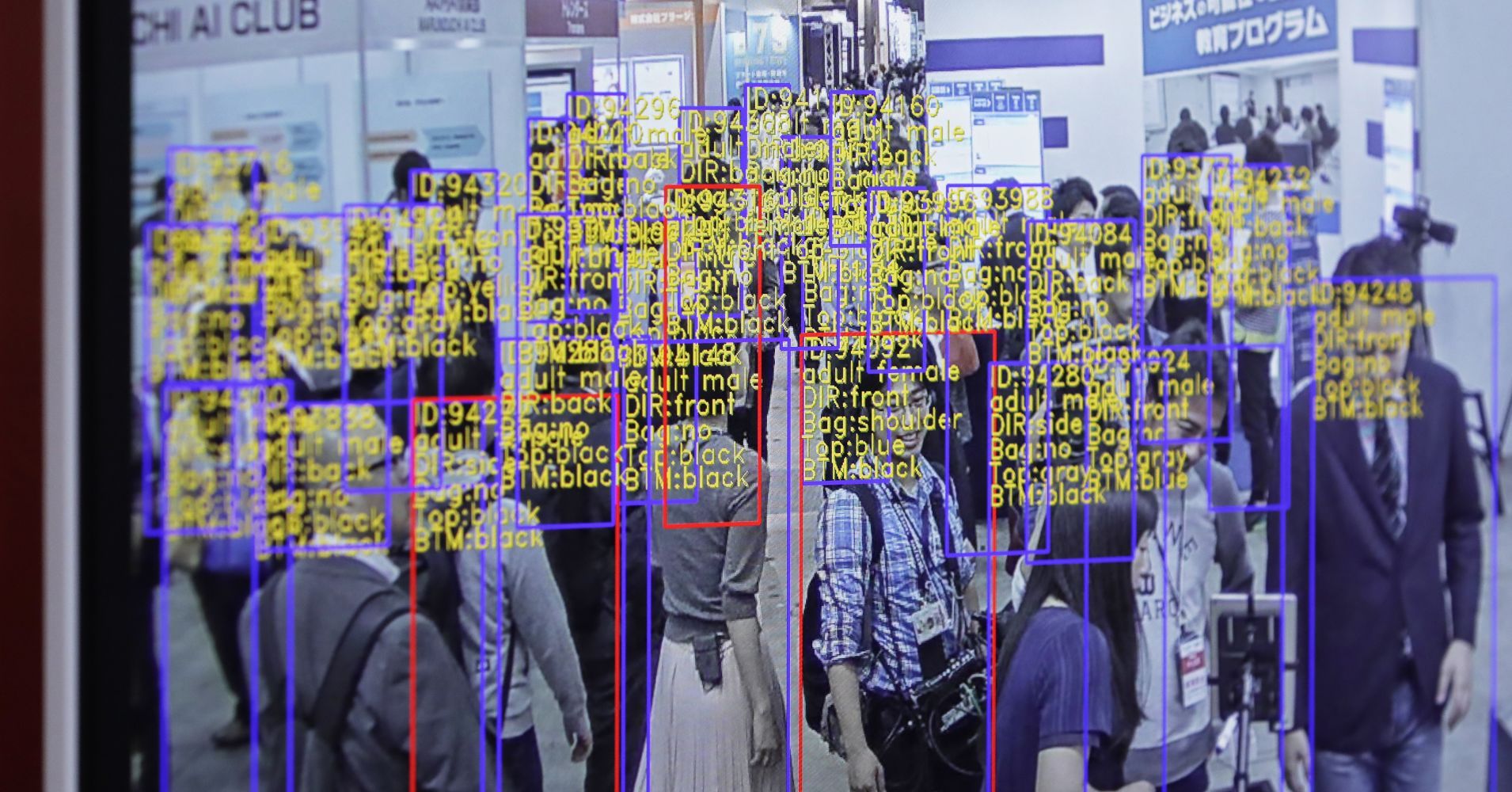
CNBC spoke with some experts to see what they think are the five scariest potential future scenarios for AI.
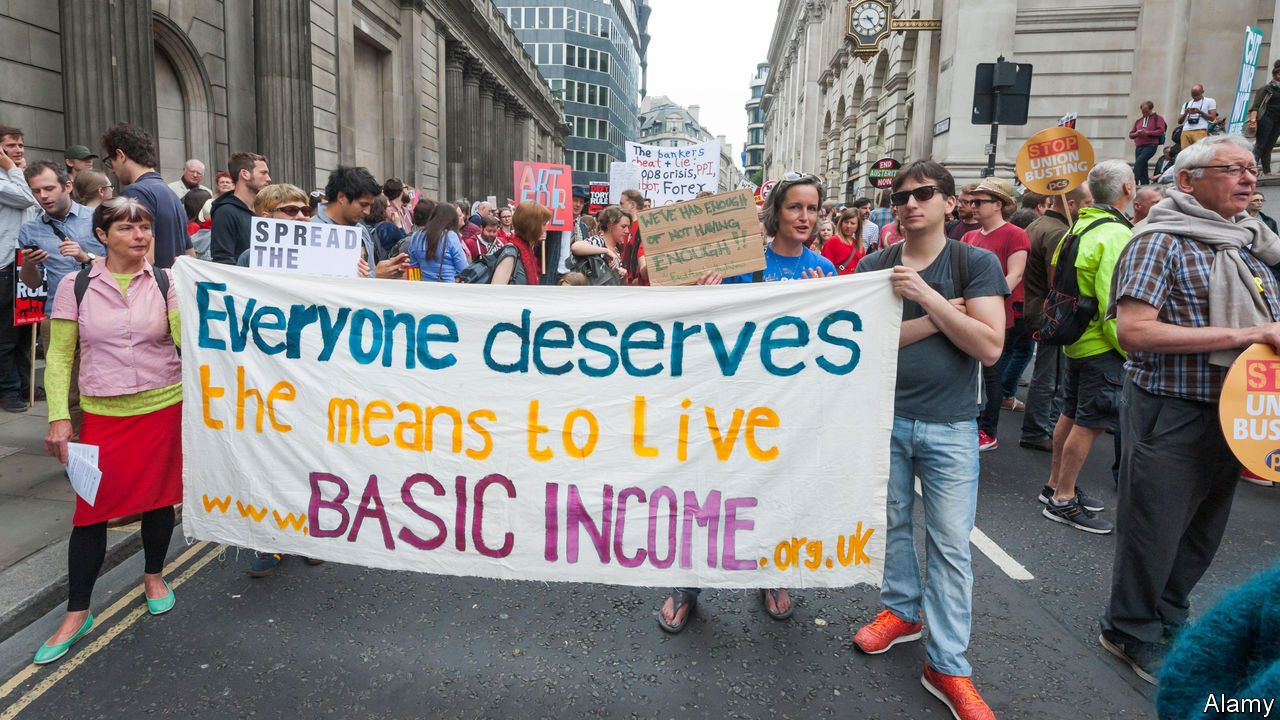
A BASIC income (BI) is defined as a modest, regular payment to every legal resident in the community, paid unconditionally as a right, regardless of income, employment or relationship status.
Contrary to conventional wisdom, the case for BI does not rest on the assumption that robots and artificial intelligence will cause mass unemployment or that it would be a more efficient way of relieving poverty than present welfare systems (although it would). The main arguments are ethical and relate to social justice, individual freedom and the need for basic security.