Toggle light / dark theme

Will Robots Be the Solution to a Growing Demand for Assisted Living?

Actually, I have began looking seriously into an at home robot for my home; still not where I want them to be why I began looking closer and more seriously at building my own line.


One of the coming great challenges of senior care is facilitating assisted living, according to experts. The so-called Baby Boomer generation that is now entering retirement age lives longer, expects the world from its twilight years, and insists on staying independent for as long as possible. Most Boomers don’t even think about going out quietly, withering away in homes that offer little more than warehousing. Instead, they want to stay active and engaged until the very end, and they welcome all the help they can get to achieve that goal. And when they cannot do it anymore on their own, futuristic technology like robots for personal use may just be the ticket.

If you have seen the 2012 movie “Robot & Frank,” you already had a – albeit comical – glimpse of how the future of assisted living might look like. In a nutshell, the story is about the “relationship” between an elderly gentleman (played by Frank Langella), who just retired from a lifetime career as a cat burglar, and a humanoid robot given to him by his children as a home caretaker. Of course, the film’s particular angle on robotic technology is not to be taken too seriously. But the fact is that intelligent machines are progressively affecting every aspect of life as we know it, and will do so much more in coming years.

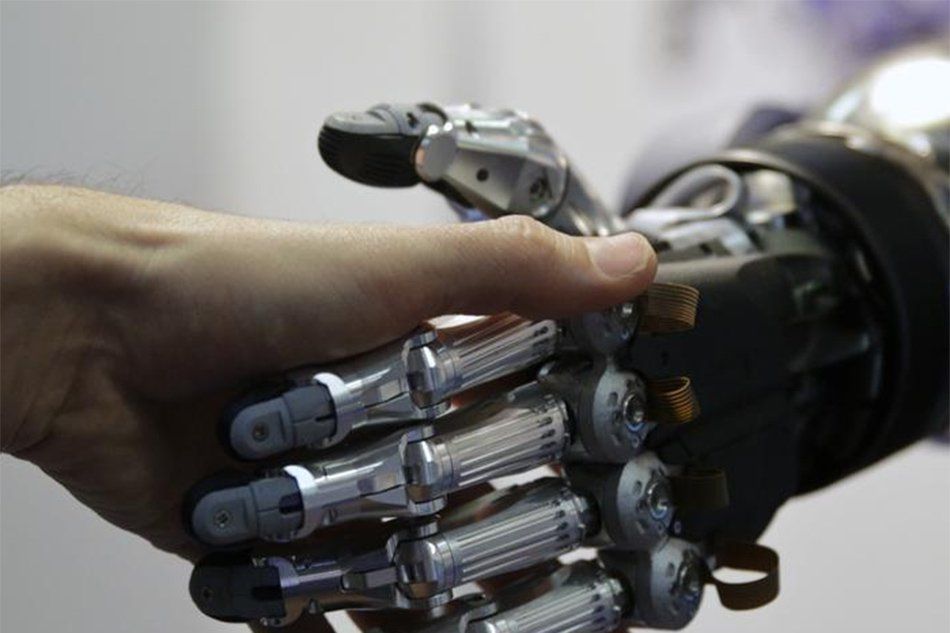
On a recent trip to Tokyo, I had the chance to see for myself how far we have already moved in that direction. Here, robots designed for personal assistance are readily available in department stores, just like any other household appliances. Although, many of the existing models have only limited capabilities like finding information on the Internet or compiling music playlists, or even less useful features like responding with a cute smile and offering a handshake when approached, it is clear that these creatures of our own making will eventually be the ones we partner up with on countless tasks, both at work and in our homes.

Who’s Responsible If An Open Source Software Powered Self-Driving Vehicle Kills Someone?

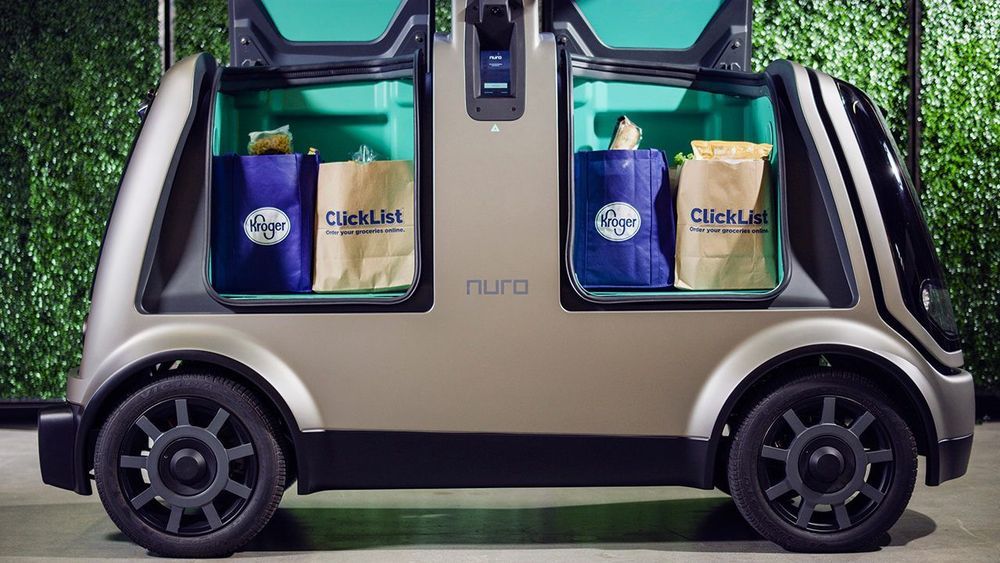
Who is responsible if a self-driving car crashes and causes property damages, physical harm or even death? Autonomous vehicle legislation is still very much in its infancy though it will certainly be an evolutionary process over the years. Corporations such as Tesla and Volvo have publicly stated that they will take responsibility for any faults in their software. However, Comma.ai’s CEO George Hotz (geohot) has stated that he is not responsible for any accidents caused by those who download his free self-driving vehicle software.

Republican Congressmen Order DARPA to Halt Construction of Space Robots

Republican members of Congress are now ordering DARPA to end their work on Robotic Servicing of Geosynchronous Satellites. Why are they ordering them to stop? Because, according to National Space Policy guidelines, DARPA might be conducting operations that are potentially discouraging similar research in the private sector. Hmmmm :-(.


Republican congressmen orders DARPA to stop their work for in-space satellite services; DARPA refuses. — B.J. Murphy for Serious Wonder.

Lawmakers Call For Halt To DARPA Program: Robots Repairing Satellites

WASHINGTON: Three influential House lawmakers have asked DARPA in a Jan. 25 letter to review a robotic space repair program to see if it violates the National Space Policy by competing with private-sector efforts and to put the program on hold until the review is complete. The National Space Policy requires “that the government not build or buy systems that “preclude, discourage or compete” with commercial systems. Orbital ATK is building a system it believes competes directly with the DARPA initiative, known as Robotic Servicing of Geosynchronous Satellites.

It’s an intriguing program. DARPA’s goal is to develop robotic systems that can fix damaged satellites 22,000 miles up. In the words of the program web page, it would be designed to “make house calls in space.”

But Rep. Jim Bridenstine, one of the most active lawmakers on space issues today (and possibly the next head of NASA); Rep. Barbara Comstock, chair of the House Science, Space and Technology subcommittee on research and technology; and Rep. Rob Bishop, chair of the House Natural Resources Committee, signed a letter today asking Acting DARPA Director Steven Walker to review RSGS to ensure it complies with the National Space Policy’s requirement that the government not build or buy systems that “preclude, discourage or compete” with commercial systems.

Hydraulic muscle makes for tougher, stronger disaster-site robots

The idea of using robots as the go-to for handling disaster situations isn’t new, but part of the problem has been how to build robots light enough to move about easily, yet are strong enough and tough enough to handle things like a smashed up nuclear reactor. As part of the answer, the Tokyo Institute of Technology and Bridgestone Tires have partnered to develop a new hydraulic robotic muscle that is lightweight, yet is five to ten times as strong as conventional electric motors and much more durable.

The locations in disaster areas where the responders are needed most urgently are often the ones that are the hardest to get to, precisely because they’ve been hit so hard. The 2011 Fukushima nuclear disaster is a prime example. Despite the damage done to the nuclear power plant by the sea wave that struck it, the subsequent explosion and meltdown could have been avoided had emergency workers been able to reach it with the right equipment in time to make repairs and re-power the cooling systems.

This is one reason why robots are so attractive. Autonomous robots have the potential to be able to move in and handle such emergencies, even to the point of using found tools and vehicles to accomplish tasks. Unfortunately, even though robots have a reputation for being steel giants possessing superhuman strength, mobile robots tend to be more on the weak and fragile side.

Video Friday: Muscle for Tough Robots, Cobots on Wheels, and WALK-MAN Goes for a Walk

Here is a thought besides Robots with muscles; Robots working out in gyms or robot body builders. We’re already talking about Civil Rights for Robots and muscle for tough robots. Why not a gym along with the pyschologist for robots. And, don’t get me started on the whole substance abusing robots.


Video Friday is your weekly selection of awesome robot videos, collected by your Automaton bloggers. We’ll also be posting a weekly calendar of upcoming robotics events for the next two months; here’s what we have so far (send us your events!):

Could Synthetic DNA Be the Next Tech Breakthrough?

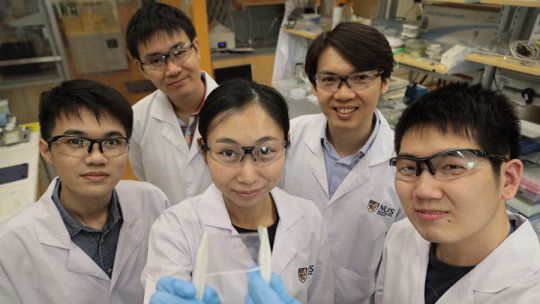
Is Synbio the next big thing? Hmmm; depends. If we’re talking about ensuring that we have a solid foundation/ infrastructure (including platforms; etc.) on QC 1st then with the existing evolution and maturity of the fundamentals around Synbio as a 1st step; then accelerating the further maturity of Synbio into creating super humans and singularity? My answer is yes. If we’re not even considering that we need QC and just focused on Synbio only; my answer is No as QC will be required as a foundation for things like real Humanoid AI, cell circuited humans/ super humans, etc.


Why we might soon be buying silk, wood, and more fabricated out of genetic code.

Neuroprosthetics: Brain Interface Applied in Neurology

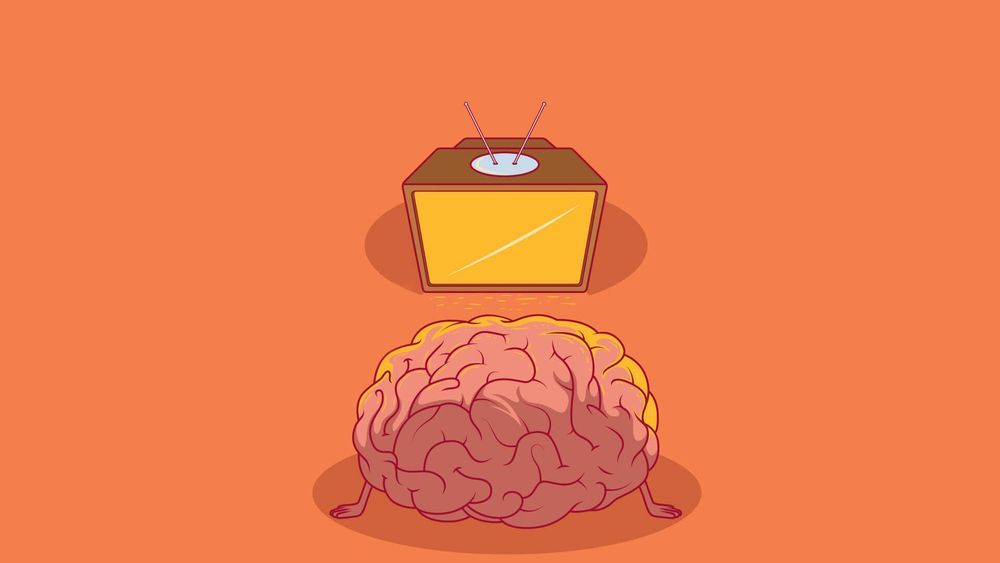
The brain is the fattiest organ in your body made up of 60% fat, the dry part that is. 75% of your brain is actually water which houses 100,000 miles of blood vessels that use up 20% of all your oxygen and blood. It’s an amazing piece of hardware. Of all the moonshot projects out there, the ones that relate to augmenting the brain are perhaps the most fascinating. Companies like Kernel have actually succeeded in writing long-term memories to a chip – well, at least 80% of them. When that number hits 100%, the sky is the limit to what we can do with the brain.

If you want a graphic image of what the future holds, imagine a robotic arm on top of your table (no wires) moving its fingers or trying to grab something powered only by someone’s thought. After all those Terminator movies, this could be a bit creepy. You may not get Terminator at your doorstep just yet, but someone with neuroprosthesis might just be ringing your doorbell a few years from now.

Neuroprosthetics or neuroprosthesis is a field of biomedical engineering and neuroscience concerned with the development of neural prostheses which are a series of devices that can substitute your brain’s motor, sensory or cognitive functionality that might have been damaged as a result of an injury or a disease.

/* */