A Chinese worker in Israel posted this video on Douyin. In the comment section, people were shocked: \.
Category: futurism – Page 98


Glutathione is critical for mediated immunity
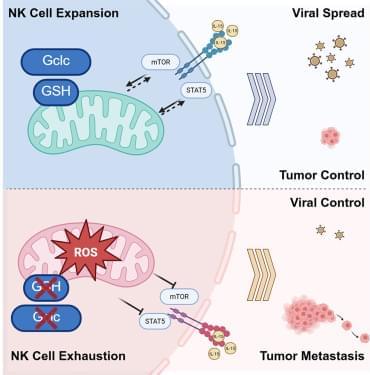
Glutathione is critical for NK cell-mediated immunity.
Guerra et al. show that glutathione (GSH) sustains IL-15-driven NK cell metabolism and effector functions. Loss of GSH unleashes T cell immunity and improves viral clearance. In contrast, NK cell-mediated control of metastases, but not solid tumors, critically depends on GSH.
Shocking Discovery That Single Cells and Even Molecules Can Learn and Exhibit Memory
Support this channel on Patreon to help me make this a full time job: https://www.patreon.com/whatdamath (Unreleased videos, extra footage, DMs, no ads)Alter…
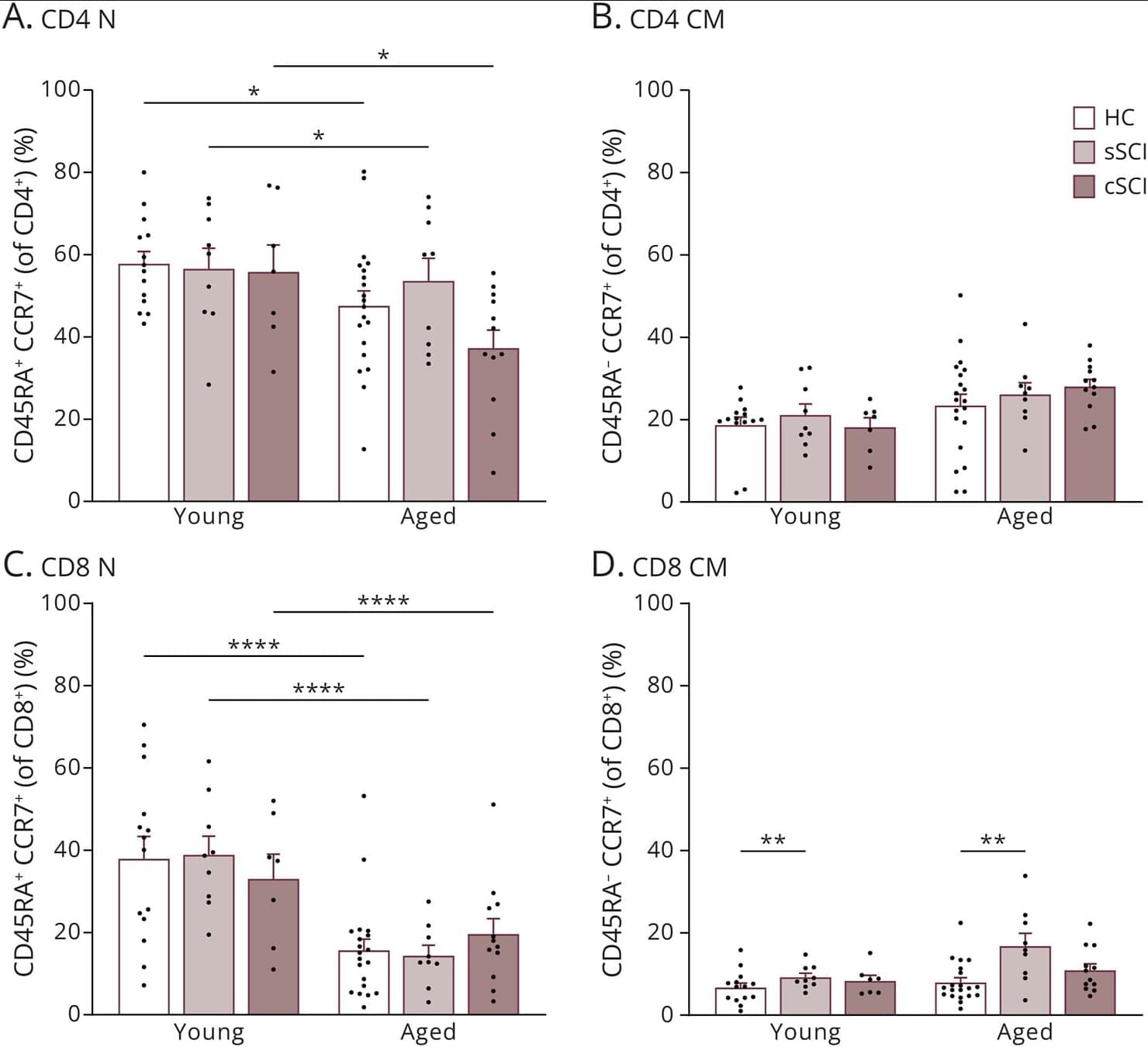
Peripheral Immune Remodeling After Spinal Cord InjuryMarked by Expansion of CD38+, CTLA-4+, and PD-1+ T and NK Cells
Study findings reveal noteworthy changes in immune cell activation and exhaustion markers that may contribute to immune vulnerability after spinal cord injury, offering novel insights into potential therapeutic targets, such as NAD+ metabolism and immune checkpoint modulation.
Background and Objectives.
The 12 Most Distant Places Ever Reached in Star Trek
What is the farthest place ever reached in Star Trek?From dangerous nebulae just a few hundred light-years away… to the literal edge of the observable univer…