Toggle light / dark theme

New bone marrow imaging technique could pave way for drug development and new therapies

Indiana University School of Medicine scientists have developed a powerful new imaging technique to study bone marrow in mouse models. By overcoming key challenges unique to imaging this complex tissue, this advancement could support future drug development and therapies for conditions involving bone marrow, including cancers, autoimmune diseases and musculoskeletal disorders.

The new method was made possible by the multiplex imaging tool Phenocycler 2.0, which enabled researchers to visualize a record number of cellular markers within intact tissue from mice. The findings are published in Leukemia.

“Bone marrow is difficult to study because it is gelatinous and encased in hard bone,” said Sonali Karnik, Ph.D., assistant research professor of orthopedic surgery at the IU School of Medicine and co-lead author of the study. “Since bone marrow plays an important role in blood and immune cell formation and houses valuable stem cells, our unique imaging approach offers a useful tool for a variety of research applications.”

Ultracool microscopy yields a sharper look at proteins

Four decades ago, researchers raced to image proteins with electron microscopes cooled with liquid helium to near absolute zero. They hoped the extreme cold would reduce the radiation damage produced by the microscopes’ electron beams, resulting in sharper views. But inexplicably the images invariably came back fuzzier than when the machines ran at warmer liquid nitrogen temperatures. After years of frustration, helium cooling was all but abandoned. Now, researchers in the United Kingdom have finally figured out the problem: The lower temperature causes ice surrounding the proteins to buckle, distorting the images. And they’ve come up with a workaround to prevent the buckling and sharpen the resolution.

“It’s great they managed to get this to work,” says Peter Denes, a physicist at Lawrence Berkeley National Laboratory. Elspeth Garman, a structural biologist at the University of Oxford, adds that the resolution improvement “will feed into getting better detail of bigger protein complexes and smaller protein components within these complexes,” she says.

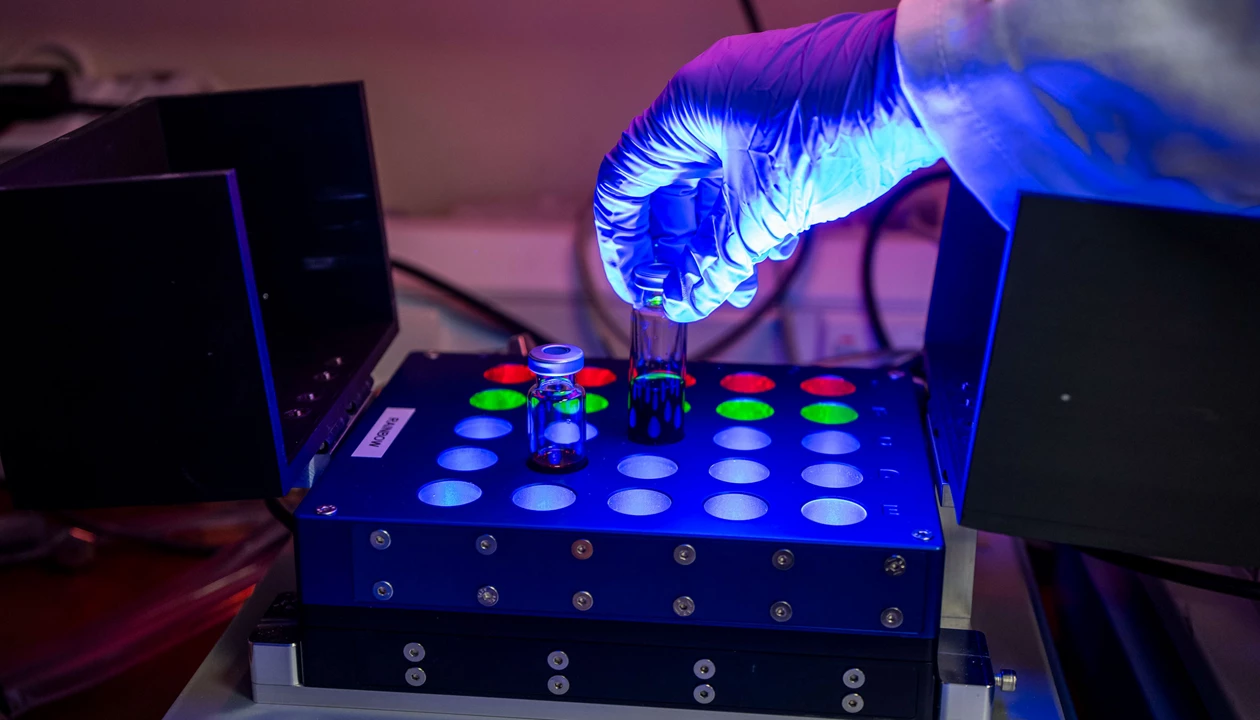
Scientists create ultracompact polarization-entangled photon sources for miniaturized quantum devices

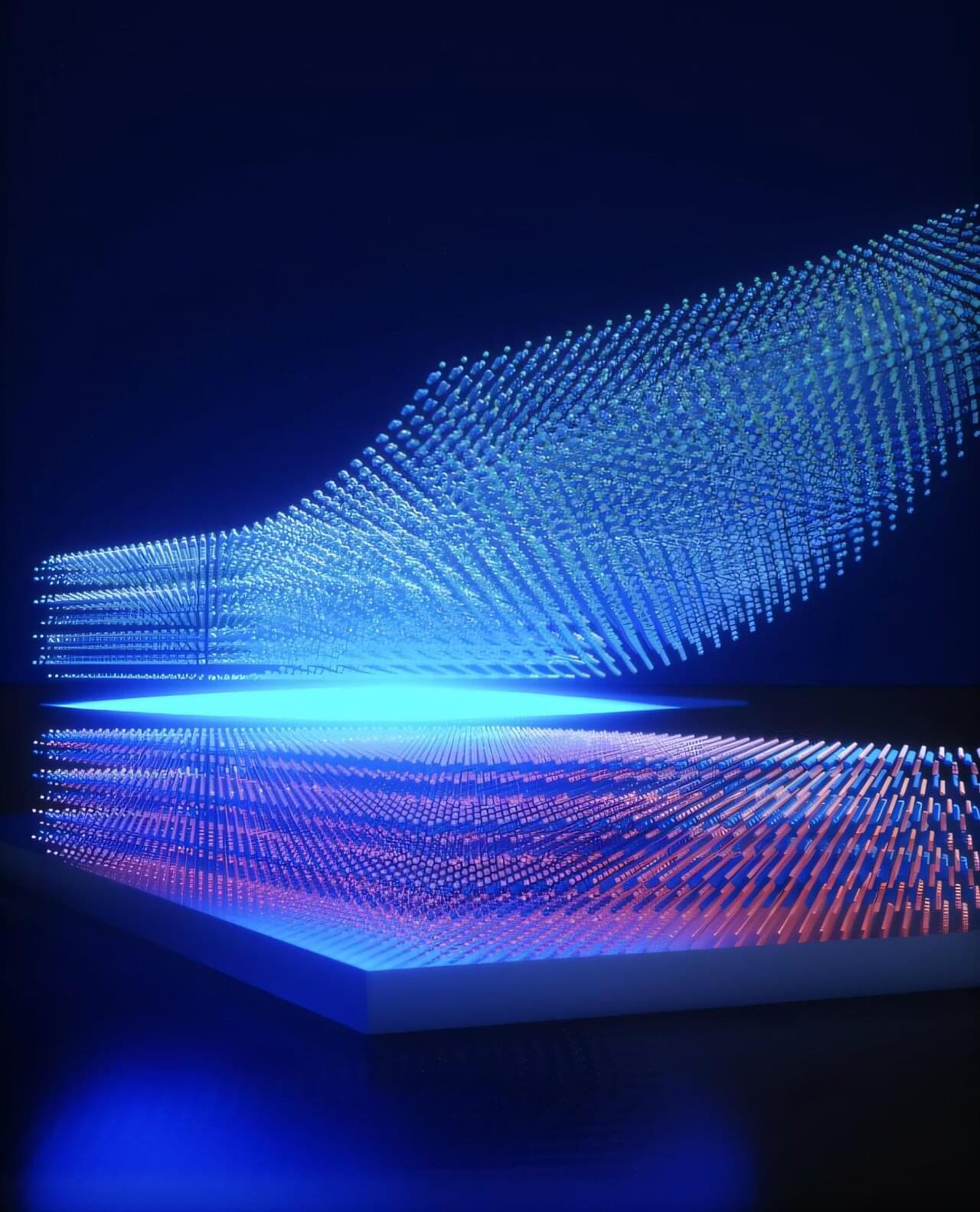
Scientists have created an ultra-thin light source that emits pairs of polarization-entangled photons. These specially correlated photons hold promise for future quantum technologies, including ultra-secure communication, powerful computation, and high-precision measurements. This light source is particularly small, pure, efficient, and versatile.

The research is published in the journal eLight.

Entangled photons share a unique connection. By measuring one photon’s properties, scientists can instantly determine the properties of its entangled partner, regardless of distance. This has the potential to revolutionize fields like communication, computation and metrology.

Bioactive compound blocks key immune receptor to ease hard-to-treat allergic reactions

Irritable bowel syndrome, chronic itching, asthma and migraine are in many cases hard-to-treat conditions. They have in common that they are triggered by an excessive immune response—which in severe cases can be life-threatening.

A team of researchers led by the University of Bonn has now identified a promising bioactive compound that could effectively reduce symptoms and slash fatality risk. The compound blocks a receptor on certain defense cells, thus preventing a derailed immune response. The study findings have been published in the journal Signal Transduction and Targeted Therapy.

If you have ever been bitten by a mosquito, you will know how annoying the resulting itching can be. This is in large part due to mast cells— found in the skin and that are full of inflammatory messengers. When a person is bitten, antibodies bind to substances in the mosquito’s saliva, and this complex can activate the mast cells, which then release their payload all at once. This leads to the symptoms of redness, swelling and itching, which usually subside after a short while, or even quicker, using the right ointment.

Century-old mystery of plant communication solved: Plants signal stress through negative pressure mechanisms

Imagine if a plant in a farmer’s field could warn a grower that it needs water? Or if a farmer could signal to plants that dry weather lies ahead, thereby prompting the plants to conserve water?

It may sound extraordinary, but researchers at the Center for Research on Programmable Plant Systems (CROPPS) have taken a major step toward advancing such two-way communication with plants.

A new study, published in the Proceedings of the National Academy of Sciences, has solved a century-old conundrum of how plants internally signal stress. By understanding how plant communication systems work, the team may then begin to exploit those signals to create plants that can communicate with people and each other, and be programmed to respond to specific stressors.

/* */