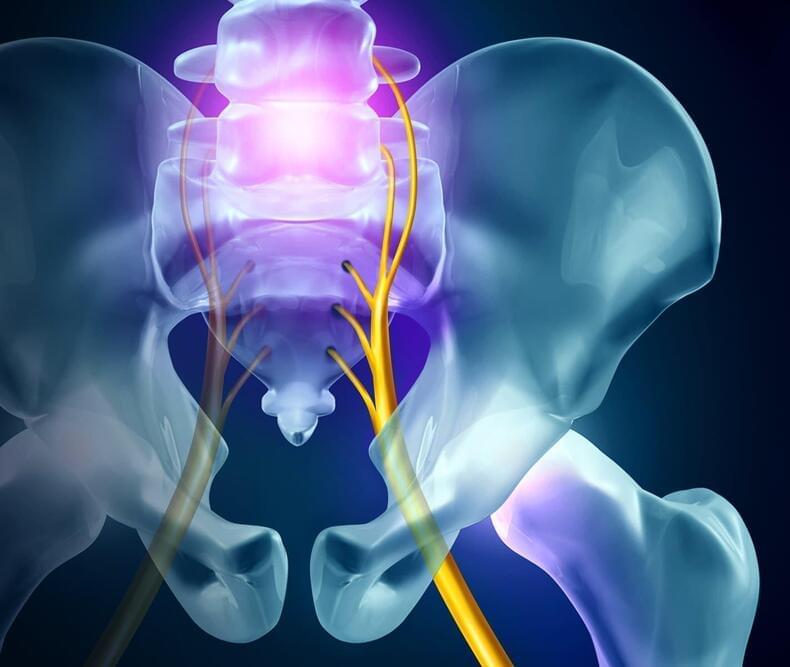
We use logic to build facts into systems of thought, but paradoxes force us to question what we think we know. And it could be worse, because logic may not be sufficient to comprehend reality.
ChatGPT, OpenAI’s newest model is a GPT-3 variant that has been fine-tuned using Reinforcement Learning from Human Feedback, and it is taking the world by storm!
Sponsor: Weights & Biases.
https://wandb.me/yannic.
OUTLINE:
0:00 — Intro.
0:40 — Sponsor: Weights & Biases.
3:20 — ChatGPT: How does it work?
5:20 — Reinforcement Learning from Human Feedback.
7:10 — ChatGPT Origins: The GPT-3.5 Series.
8:20 — OpenAI’s strategy: Iterative Refinement.
9:10 — ChatGPT’s amazing capabilities.
14:10 — Internals: What we know so far.
16:10 — Building a virtual machine in ChatGPT’s imagination (insane)
20:15 — Jailbreaks: Circumventing the safety mechanisms.
29:25 — How OpenAI sees the future.
References:
https://openai.com/blog/chatgpt/
https://openai.com/blog/language-model-safety-and-misuse/
https://beta.openai.com/docs/model-index-for-researchers.
https://scale.com/blog/gpt-3-davinci-003-comparison#Conclusion.
New post: What the delay in launching text-davinci-003 tells us about RLHF via PPO and instruction tuning more generally. https://t.co/Q3FUekFERk
— John McDonnell (@johnvmcdonnell) December 2, 2022
https://twitter.com/blennon_/status/1597374826305318912
Ran one of our essay questions through @OpenAI’s new chatbot. Essays are dead.
Back to hand-written exams I guess. Sigh. pic.twitter.com/nzzhRwGp05
— Tim Kietzmann (@TimKietzmann) December 1, 2022

📧 Imagine you’re in a hurry and need to type formal email quickly. With VoiceGPT, you can instantly summon the voice prompt with a single click and receive the answer spoken back to you, and have it directly copied to your clipboard to paste it into email. No need to type out your question or even look at your screen. Or imagine you’re in a meeting and someone writes some important information on a whiteboard. With VoiceGPT’s OCR technology, you can take a photo of the whiteboard, extract the text and have ChatGPT process it.
Victoria Krakovna is a Research Scientist at DeepMind working on AGI safety and a co-founder of the Future of Life Institute, a non-profit organization working to mitigate technological risks to humanity and increase the chances of a positive future. In this interview we discuss three of her recent LW posts, namely DeepMind Alignment Team Opinions On AGI Ruin Arguments, Refining The Sharp Left Turn Threat Model and Paradigms of AI Alignment.
Transcript & Audio: https://theinsideview.ai/victoria.
Host: https://twitter.com/MichaelTrazzi.
Victoria: https://twitter.com/vkrakovna.
DeepMind Alignment Team On AGI Ruin arguments: https://www.lesswrong.com/posts/qJgz2YapqpFEDTLKn/deepmind-a…-arguments.
Refining the Sharp Left Turn Threat Model: https://www.lesswrong.com/posts/usKXS5jGDzjwqv3FJ/refining-t…claims-and.
Paradigms of AI Alignment: https://www.lesswrong.com/posts/JC7aJZjt2WvxxffGz/paradigms-…d-enablers.
This conversation presents Victoria’s personal views and does not represent the views of DeepMind as a whole.

DOAJ is a unique and extensive index of diverse open access journals from around the world, driven by a growing community, committed to ensuring quality content is freely available online for everyone.
All DOAJ services are free of charge including being indexed. All data is freely available.
Advantages and disadvantages of open access articles.
https://learning.edanz.com/open-access-advantages-disadvantages/
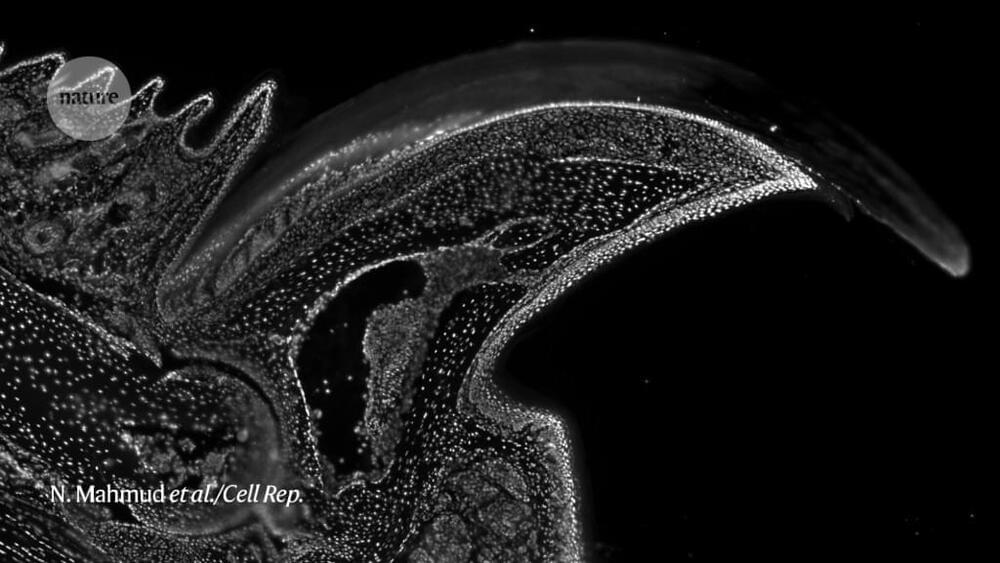
We are fully committed to open research and the benefits this brings for researchers, institutions, funders and the wider public. For authors who wish to publish their research open access, the Nature Portfolio offers open access options for all primary research.
Nature Magazine Open access articles.
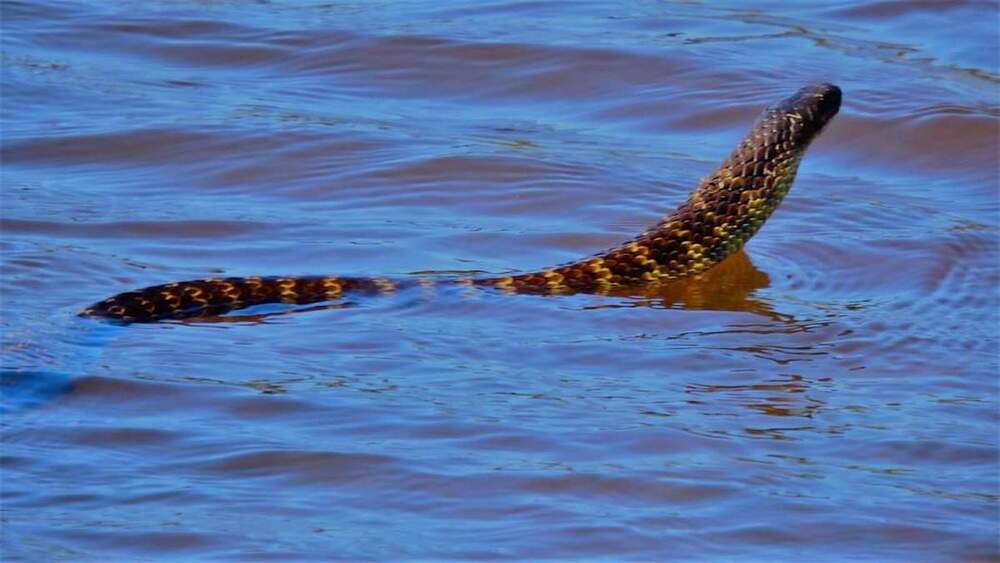
What do snakes do when their burrows are inundated with flood water? The same thing as humans—they move.
Snakes in California have been seen swimming through the state’s flooded streets, but that’s nothing compared to South Australia.
The flooding of the Murray River in Australia has closed off roads, inundated homes and cut off communities across the country. It has also displaced local wildlife from their homes, resulting in an increase in snake encounters across the country.
Why do I talk like this? How do I find my stories? And how do I write them to get the attention of millions of people? Come learn from me on my first ever ART OF STORYTELLING class only on https://nas.academy/course/storytelling