A disgraced 75-year-old ex-sheriff is murdered??? and brought back to life as a 35-year-old (Rob Kazinsky,???True Blood??) with near-superhuman abilities. Airs Wednesdays at 9/8c on FOX.


This is a ~1.5 hour talk + discussion, titled “A Multiscale Logic of Collective Intelligence” by Donald Hoffman (https://sites.socsci.uci.edu/~ddhoff/) and Chetan Prakash (https://www.researchgate.net/profile/.…, with Robert Chis-Ciure (https://scholar.google.com/citations?…) and Chris Fields (https://chrisfieldsresearch.com/) and me.

Gogs 9.4 CVSS flaw exploits git rebase injection on 1,141 exposed instances, enabling remote code execution.

On Thursday, NASA issued a Request for Proposal (RFP), seeking industry collaboration for the Mars Telecommunications Network.
Reliable, high bandwidth communications are necessary to relay science data, high-definition imagery, and critical information during Mars missions. The network will use high-performance Mars telecommunications orbiters at the red planet to support future surface, orbital, and human exploration.
This RFP builds on a draft released April 2, as well as insights gathered during the accompanying industry day at NASA’s Goddard Space Flight Center in Greenbelt, Maryland, where commercial partners provided feedback on agency objectives for the Mars Telecommunications Network.
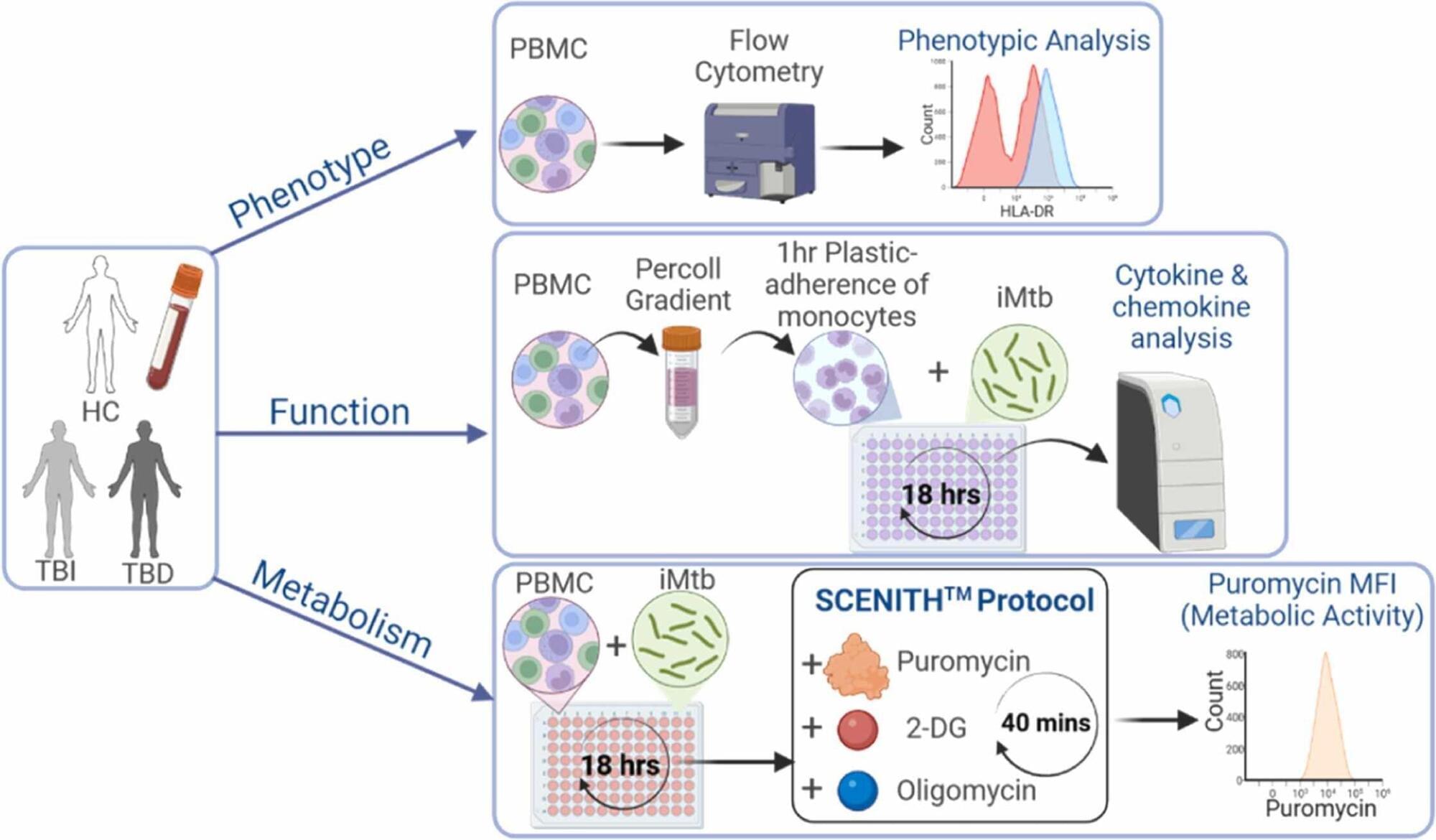
Researchers at Trinity College Dublin have identified key differences in how immune cells generate and use energy, a process known as cellular metabolism, in people with latent versus active tuberculosis (TB). The findings offer new insights into why some individuals control infection while others develop disease.
The study, published in the Journal of Infection, focused on circulating monocytes, key immune cells involved in the defense against TB infection. The researchers found that cells from people with latent TB remain metabolically flexible, allowing them to mount strong antibacterial responses, whereas cells from people with active TB disease show impaired metabolism and weaker responses to infection.
TB remains the world’s leading infectious killer, with 10.8 million cases and 1.25 million deaths recorded globally in 2023. While many people infected with Mycobacterium tuberculosis never become ill, researchers still do not fully understand why some individuals progress to active disease while others successfully control the infection. The findings could help pave the way for improved TB monitoring tools and future therapies or vaccines that target how immune cells generate energy.