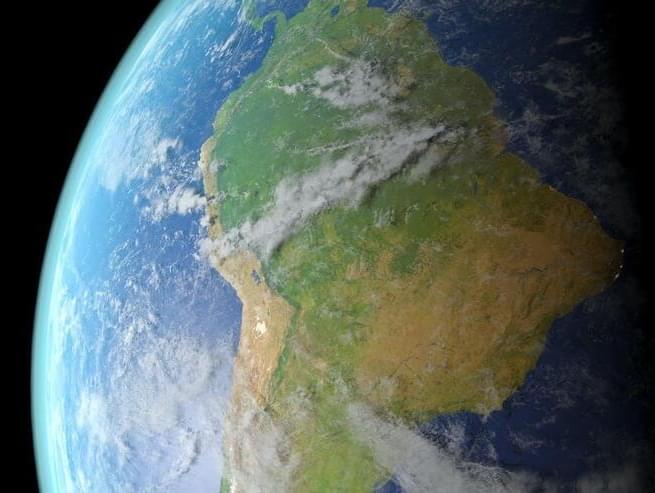
New research finds fresh water losses are concentrated in South America, most of Africa and much of Australia.
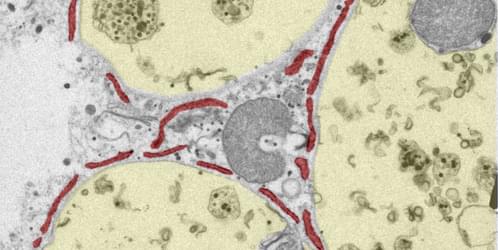

The low-cost FibeRobo, which is compatible with existing textile manufacturing techniques, could be used in adaptive performance wear or compression garments.
Instead of needing a coat for each season, imagine having a jacket that would dynamically change shape so it becomes more insulating to keep you warm as the temperature drops.
A programmable, actuating fiber developed by an interdisciplinary team of MIT.
I hope this isn’t our future. Real life is better. Using it some of the time if on but not full time.
Check Out A Style is Born: https://astyleisborn.link/ASIBs2e3DamiLee.
My Store.
https://ko-fi.com/damilee/shop.
Get a T-shirt here:
https://www.archibeans.com.
Become a channel producer.
Boston Dynamic’s Atlas does the “crab”.
This is an interesting concept and isn’t without controversy but I hope they succeed in building this. It sets a precedent if successful.
Join renowned physicist and best-selling author Professor Michio Kaku on his visit to THE LINE at #NEOM.
With him as your guide, take a tour into how our revolutionary city will tackle the traditional urban challenges of traffic, pollution and overcrowding.
#TheLINE

The term artificial airglow describes the intentional augmentation or production of atmospheric airglow which is the earth’s atmosphere’s natural light emission. This phenomenon, which can be seen at different altitudes, is brought on by solar and cosmic radiation interacting with atmospheric molecules like oxygen and nitrogen. The dim, diffuse, and typically greenish light produced by artificial airglow is most noticeable at night and has long been studied for its unique celestial properties.
Four days of research and experimentation
Now, the high-frequency radio wave transmitter called the High-Frequency Active Auroral Research Program (HAARP) facility in Alaska will create the phenomenon in the sky for four days starting from Saturday in order to conduct experiments on the ionosphere, a region of our planet’s upper atmosphere that contains a high concentration of ions and free electrons and extends from about 30 miles (50 kilometers) above the earth’s surface to several hundred miles in altitude.
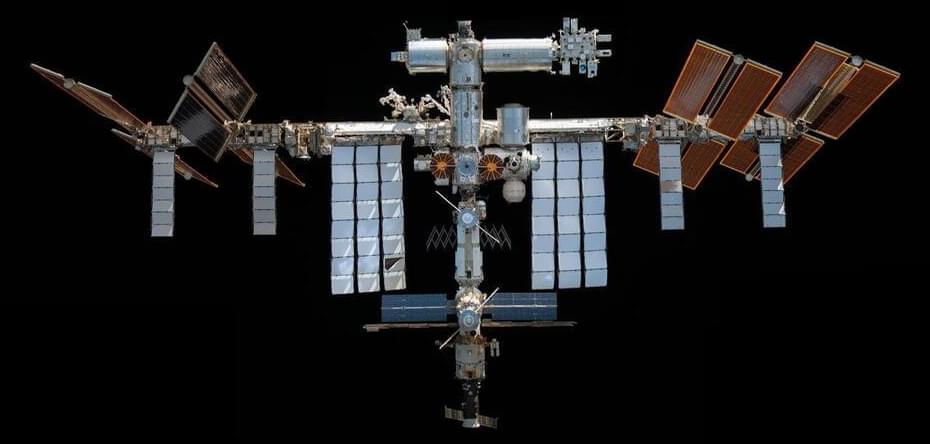
NASA official says the ISS may not be retired in 2030 if commercial space stations are not ready.
NASA has hinted that it may extend the life of the International Space Station (ISS) beyond 2030 if there are no viable alternatives in the form of commercial space stations.
As per SpaceNews, Ken Bowersox, NASA associate administrator for space operations, said at the Beyond Earth Symposium on November 2 that the agency was flexible about the future of the ISS and would only retire it once there were new platforms to replace it.
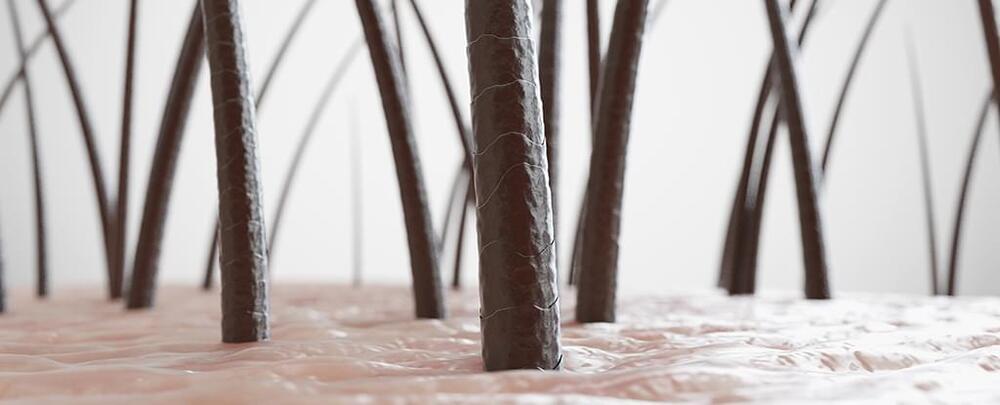
A new study reveals a previously undiscovered way that we can feel light touches: directly through our hair follicles.
Before now, it was thought that only nerve endings in the skin and around the hair follicles could transmit the sensation.
The team behind the study, led by researchers from Imperial College London in the UK, used an RNA sequencing process to find that cells in part of the hair follicle called the outer root sheath (ORS) had a higher percentage of touch-sensitive receptors than equivalent cells in the skin.

In a recent study published in Nature Communications, researchers report that osteoarthritis (OA) is caused by the loss of Gremlin 1 (Grem1)-lineage chondrogenic progenitor (CP) cells.
Study: Loss of Grem1-lineage chondrogenic progenitor cells causes osteoarthritis. Image Credit: airdone / Shutterstock.com.