
Interested in learning more about the dynamic field of bioinformatics? Explore our guide to how bioinformatics is revolutionising personalised healthcare.
Category: futurism – Page 516
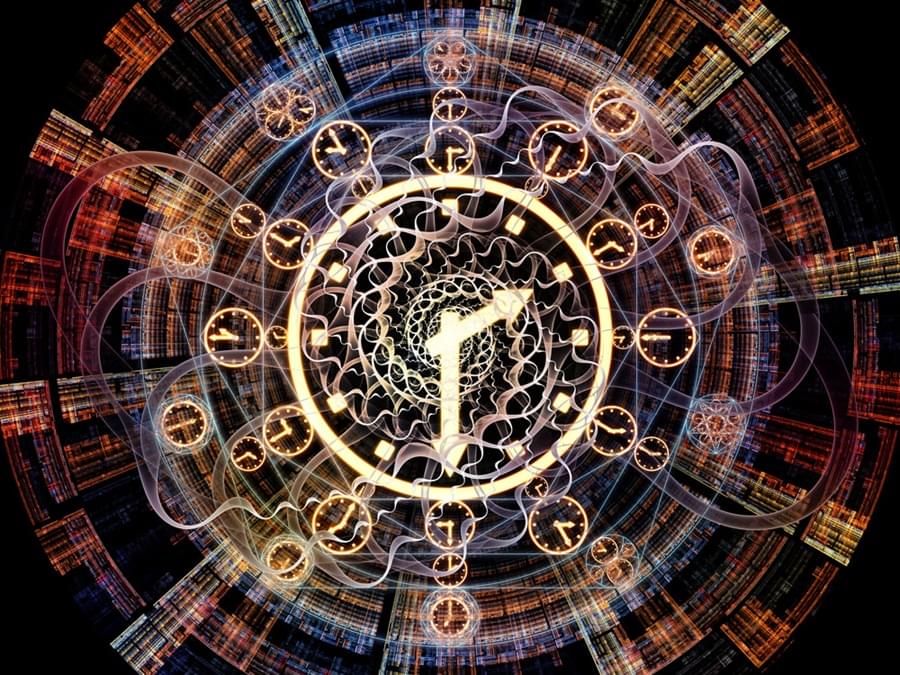
Now Means Nothing
Time depends on speed and mass, which means it’s not as consistent as we think.
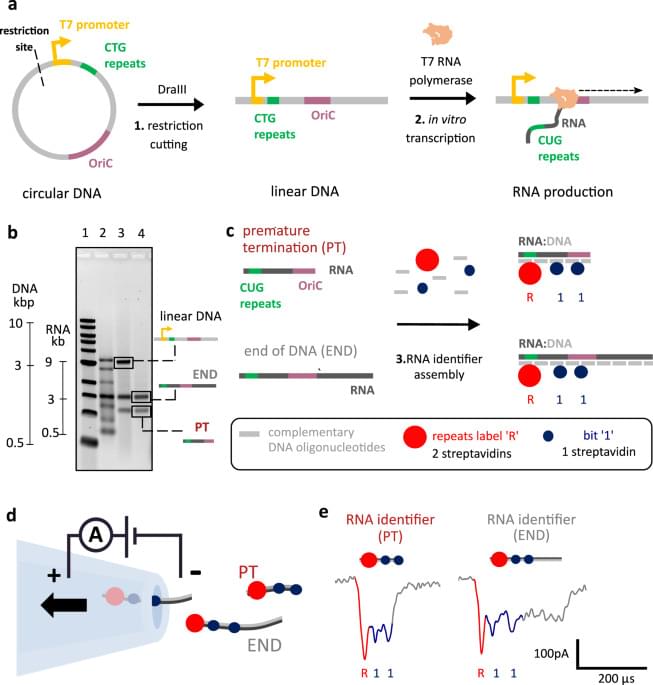
Single-molecule RNA sizing enables quantitative analysis of alternative transcription termination
The development of RNA technologies demands accurate assessment of transcript size and heterogeneity. Here, authors report a nanopore-based approach to study full-length RNA transcripts at the single-molecule level, identify premature transcription termination and study rolling-circle transcription.

Nvidia Stock Gained $1.5 Trillion To Surpass The FAANGs
In August of 2021, my firm made a very bold prediction that Nvidia will surpass Apple in valuation.
We look at why Nvidia has been able to surpass every FAANG except Apple, and why it’s inevitable that it becomes the world’s most valuable company in the next 2.5 years.
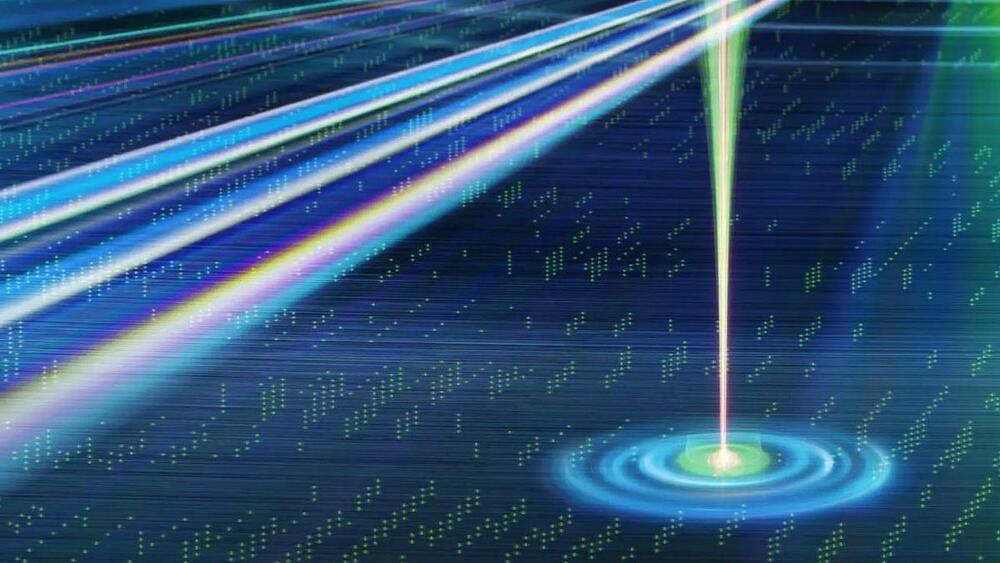
Chinese researchers tout optical disk format with up to 125TB capacity
New disks are Blu-ray-size but offer up to 10,000x greater capacity.
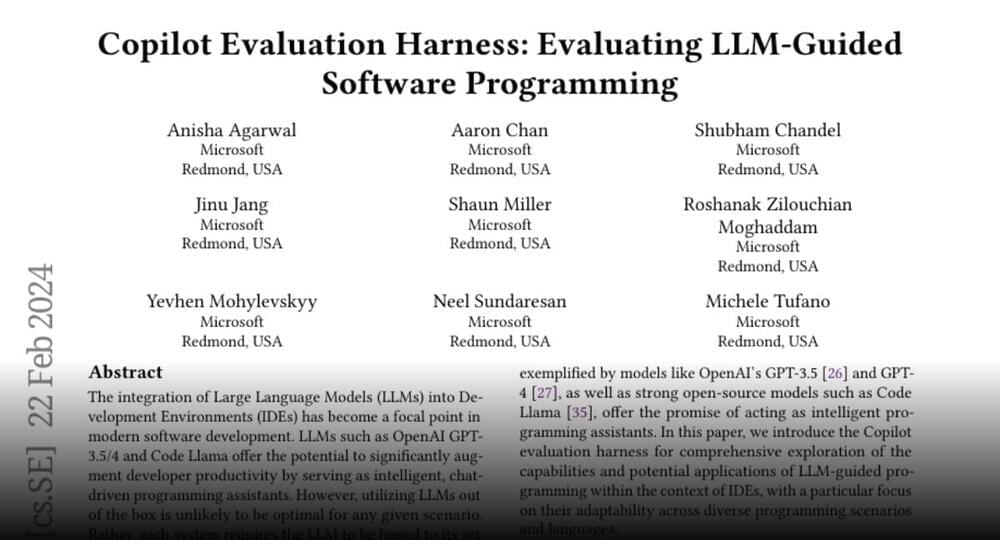
Copilot Evaluation Harness: Evaluating LLM-Guided Software Programming
Join the discussion on this paper page.

Here’s why Amazon and Jeff Bezos are joining the Dow Jones 30
The online retail giant’s place in the corporate firmament is cemented with membership in the Dow.

There’s No AI Without Nvidia. Meet the CEO Powering the Future
Tech companies can’t get enough of Nvidia, the chipmaker powering the AI revolution. Meet the CEO charting the company’s future—and the entire industry’s along with it.
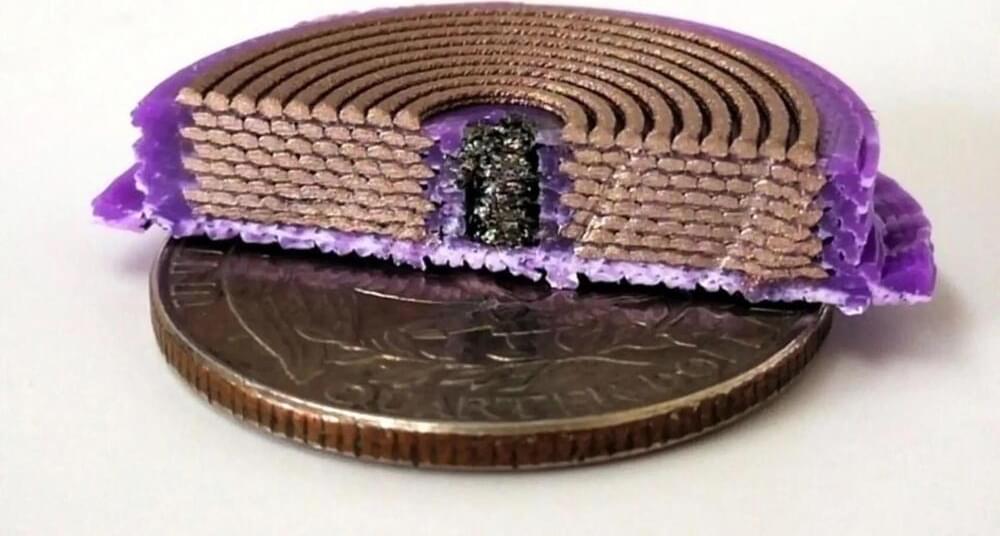
The Future of Electronics: 3D-Printed Solenoids
MIT engineers achieve a breakthrough in electronics with fully 3D-printed solenoids, revolutionizing manufacturing and democratizing access to technology.
MIT engineers pioneer 3D-printed solenoids, unlocking new possibilities in electronics manufacturing.
Speed of Light Could Be Dropped to Zero Using Crystals
In a vacuum like space, the speed of light is just over 186,280 miles per second. Scientists have now shown it’s possible to slow it down to zero miles per second without sacrificing its brightness, regardless of its frequency or bandwidth.