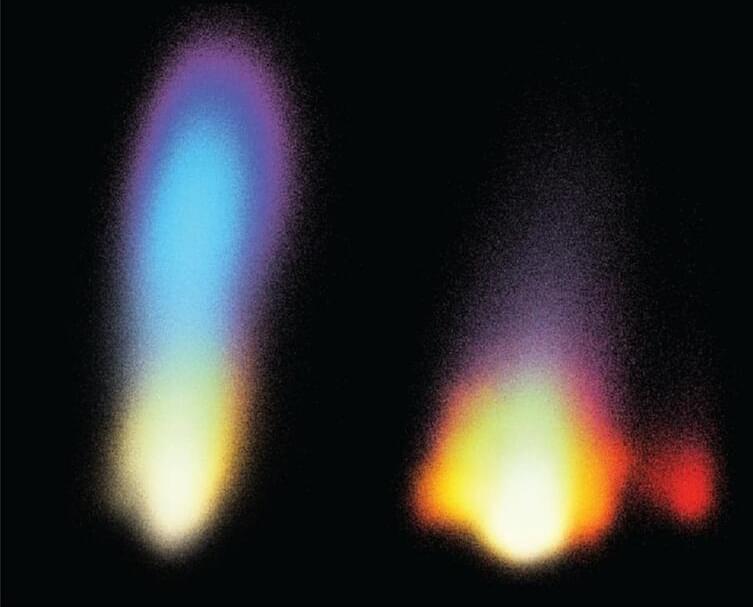
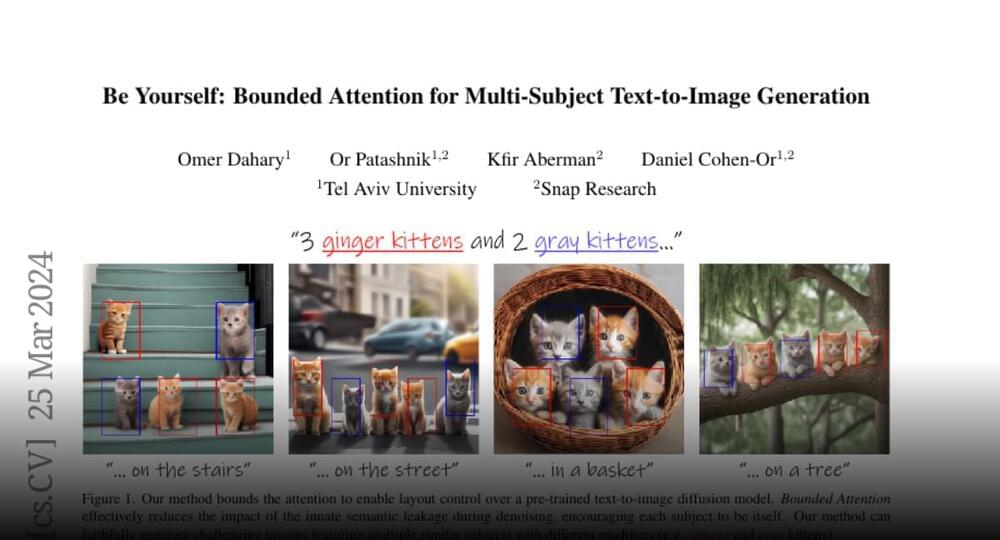
The story of an experiment that might have kept Einstein awake at night—but that paved the way for the dawn of optical gyroscopes and that could enable future gravitational-wave detectors.


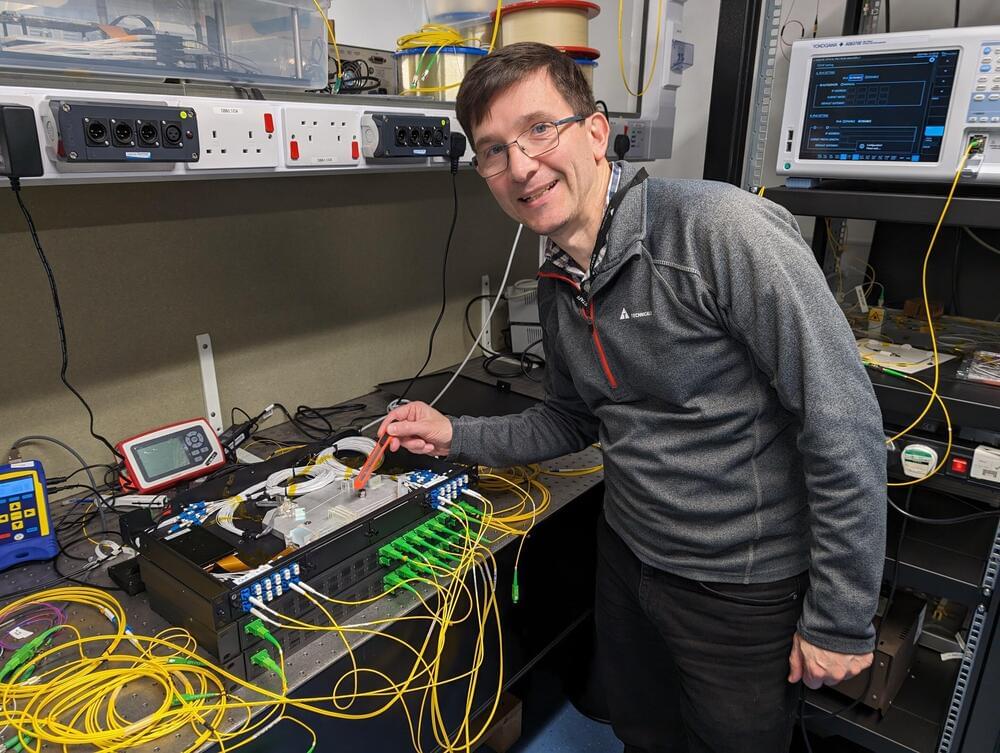
Professor Wladek Forysiak from Aston Institute of Photonic Technologies and Dr. Ian Phillips were part of the team that successfully transmitted the data. They worked in collaboration with researchers from the National Institute of Information and Communications Technology (NICT) in Japan and Nokia Bell Labs in the U.S.
As the demand for more data increases, it is expected the newly developed technology will help keep up with future demand. The scientists used optical fibers, small tubular strands of glass that pass information using light. Regular copper cables can’t carry data at such speeds.
The feat was achieved by opening up new wavelength bands that are not yet used in fiber optic systems. Different wavelength bands are equivalent to different colors of light being transmitted down the optical fiber.

As well as normal hardback and paperback editions, it was released as a free e-book under the CC BY-NC-ND license. Accelerando won the Locus Award in 2006, and was nominated for several other awards in 2005 and 2006, including the Hugo, Campbell, Clarke, and British Science Fiction Association Awards.
The book is a collection of nine short stories telling the tale of three generations of a family before, during, and after a technological singularity. It was originally written as a series of novelettes and novellas, all published in Asimov’s Science Fiction magazine in the period 2001 to 2004. According to Stross, the initial inspiration for the stories was his experience working as a programmer for a high-growth company during the dot-com boom of the 1990s.
The first three stories follow the character of agalmic \.
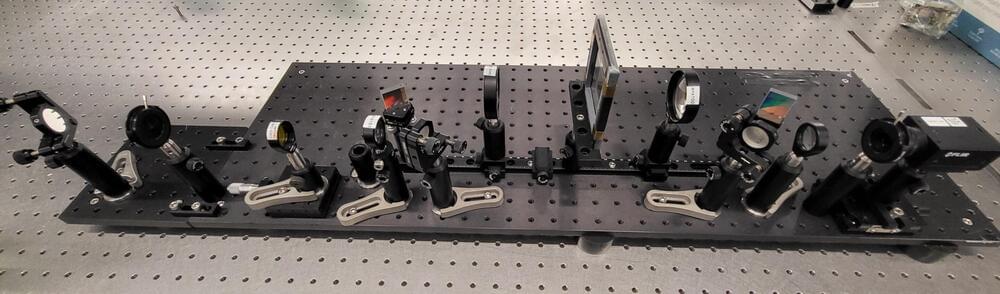
Pushing for a higher speed isn’t just for athletes. Researchers, too, can achieve such feats with their discoveries. This is the case for Jinyang Liang, Professor at the Institut national de la recherche scientifique (INRS), and his team, whose research results have recently been published in Nature Communications.
But what explains this phenomenon? Psychologists have proposed a number of explanations, but I’d argue the key to understanding Tony’s experience lies in a different interpretation of time itself.
When life flashes before our eyes
The experience of life flashing before one’s eyes has been reported for well over a century. In 1,892, a Swiss geologist named Albert Heim fell from a precipice while mountain climbing. In his account of the fall, he wrote is was “as if on a distant stage, my whole past life [was] playing itself out in numerous scenes”