Ever wonder why humans shrink as they age? Here’s everything you need to know to help you understand this strange phenomenon.

Welcome to our historic 24/7 live stream of the magnificent Fuego Volcano, one of the most active volcanoes in the world! For the first time ever, experience the raw power and breathtaking beauty of Fuego live in stunning 4K resolution.
–
Where is this camera?
The wonderful people at Finca San Cayetano are graciously hosting our camera at their resort. You can experience this same view in person by staying at one of their 10 luxury cabins and wake up to the sights and sounds of the majestic Fuego Volcano! Here’s their website: https://sancayetano.gt/. The camera is about 8km away from the top of Fuego. Sometimes you’ll be able to hear the eruptions. Due to the speed of sound, it’ll take about 26 seconds after you see an explosion before you hear it.
–
About Fuego Volcano.
🌋 Location: Guatemala, near the city of Antigua.
🌋 Elevation: 3,763 meters (12,346 feet)
🌋 Type: Stratovolcano.
🌋 Activity: Almost constant activity with frequent explosive eruptions.
–
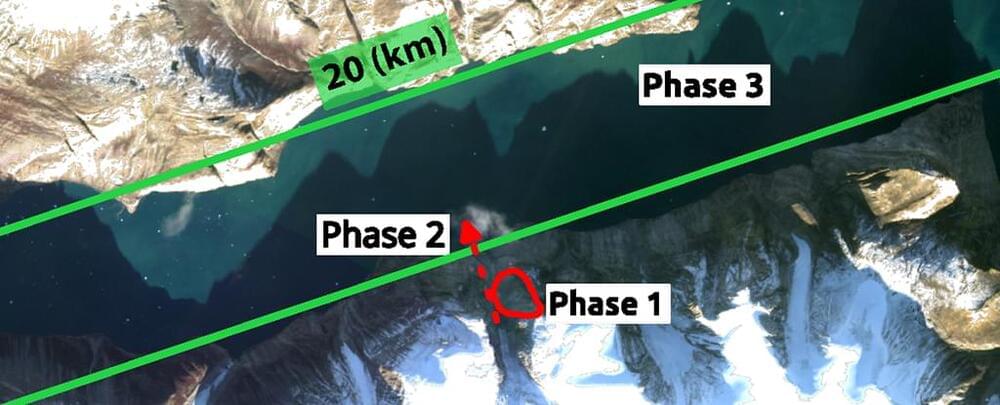
A landslide and its resulting megatsunami in a Greenland fjord in September 2023 were significant enough to send waves around the channel of water for an entire week, newly analyzed data collected from seismic monitors has shown.
In what’s known as a seiche, a number of smaller oscillations bouncing between shores combined to form standing waves in the partially enclosed body of water. The phenomenon was logged from signals that traveled as far as 5,000 kilometers (3,107 miles) around the globe.
The team behind the new research, from the GFZ German Research Center for Geosciences and the University of Potsdam in Germany, says this kind of sensing technology is an important part of monitoring remote areas such as Greenland.
For nearly 60 million years, our home planet was likely frozen into a big snowball.
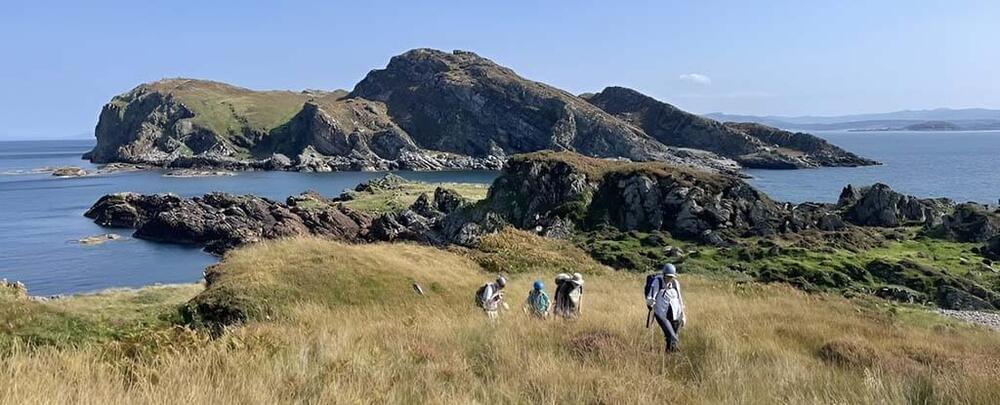
Now, scientists have discovered evidence of Earth’s transition from a tropical underwater world, writhing with photosynthetic bacteria, to a frozen wasteland – all preserved within the layers of giant rocks in a chain of Scottish and Irish islands.
The team, led by researchers from University College London (UCL), examined more than 2,000 grains of zircon from 11 sandstone samples, taken from up to 200 meters within the 1.1 km-thick (0.7 miles) Port Askaig formation, and the older, underlying Garbh Eileach formation, which is 70 meters thick.
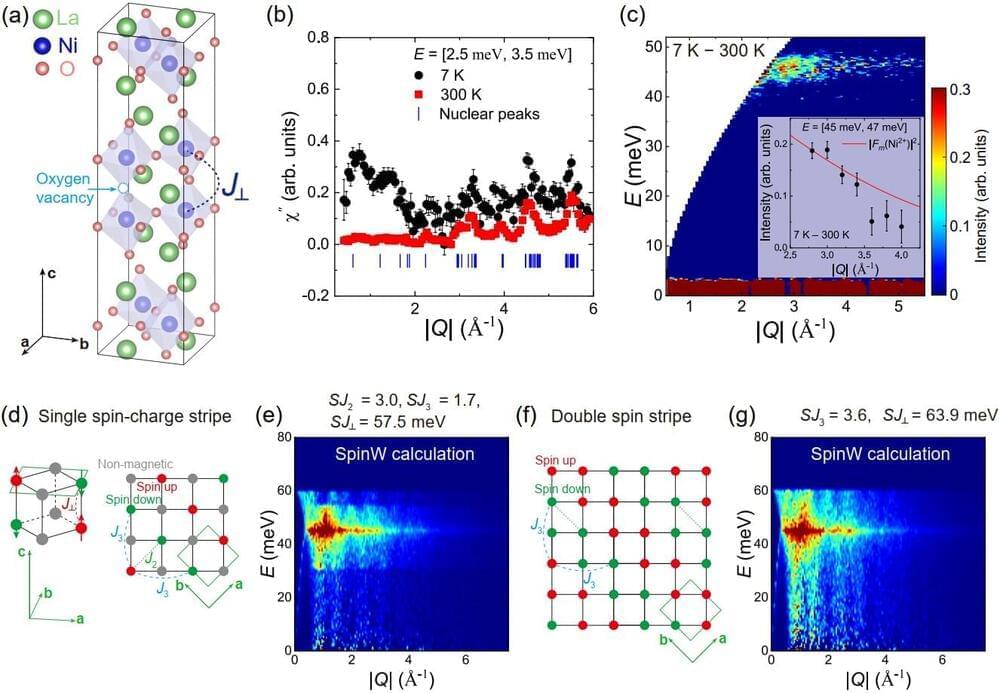
Recently, an inelastic neutron scattering work on the bilayer nickelate La3Ni2O7-δ polycrystal finished by a team from Sun Yat-sen University was published in Science Bulletin. The team employed neutron spectroscopy to study the magnetic ground state and spin dynamics of La3Ni2O7-δ at ambient pressure.
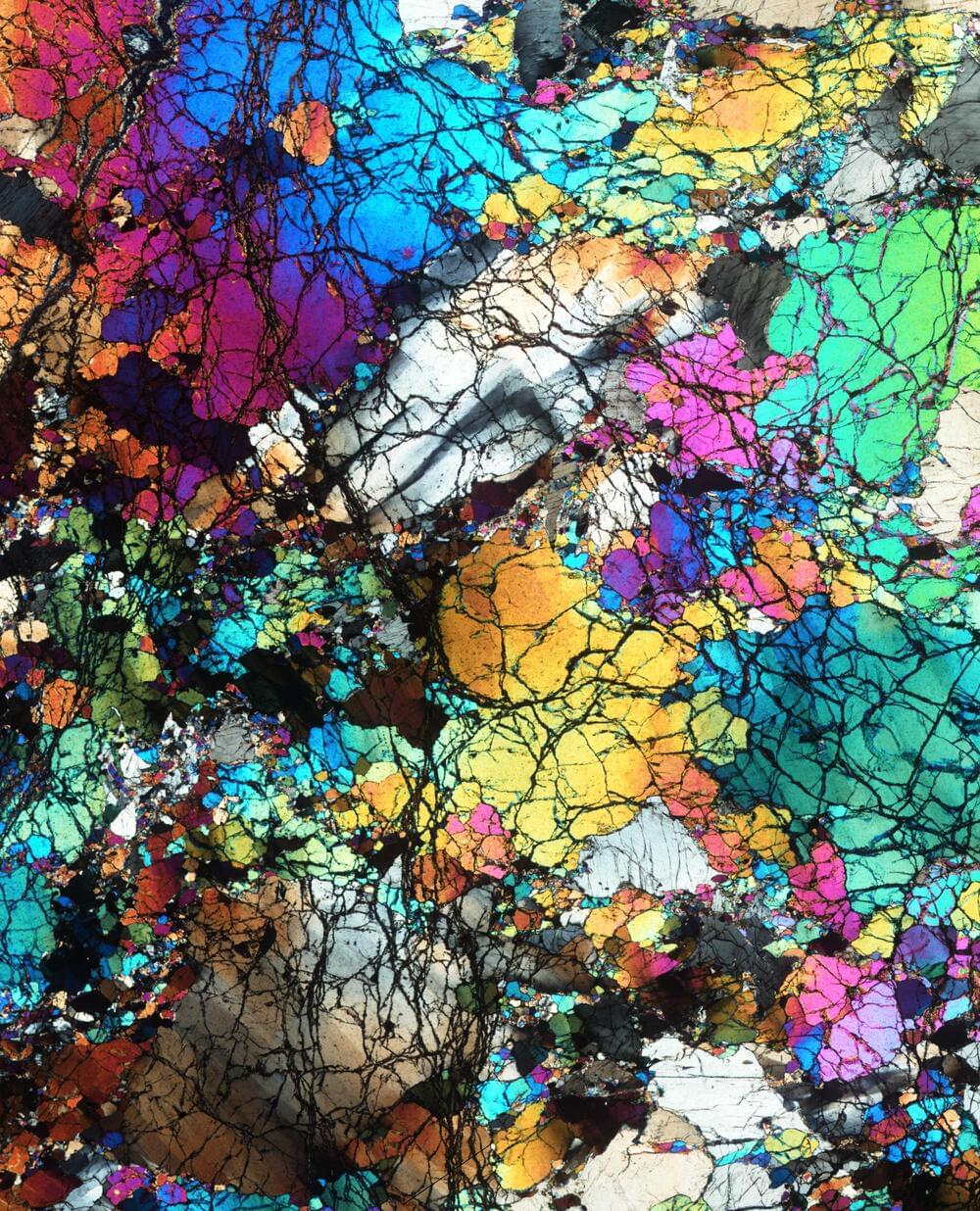
The nature of Earth’s deep past can often feel intangible. From our modern moment, eons billions of years in the past seem hard to touch. Among some of our planet’s rocks, however, are tatters and fragments from those distant times that can offer us a peek at what our planet was like when our ancestors were single-celled organisms. By studying some of these vestiges, geologists have been able to detect what was transpiring under the Earth’s crust over 2.5 billion years ago.
Below our feet—and our planet’s outer crust— Earth’s mantle makes up the vast majority of the planet’s volume. Different layers of the mantle are made up of different rock types, and one of the most common is an igneous rock high in silica content called peridotite. In the past, when geologists have compared samples of prehistoric peridotite from Earth’s mantle and their modern equivalents, they’ve found a significant discrepancy.
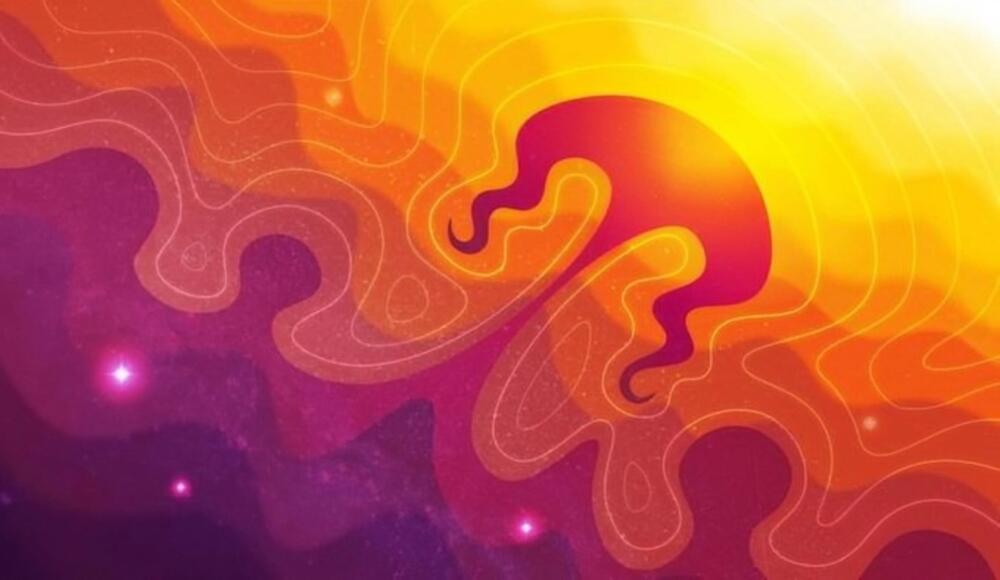
An exploration of the dual mystery of the cosmological lithium problem, but also the weird abundance of lithium in certain stars.
My Patreon Page:
/ johnmichaelgodier.
My Event Horizon Channel:
/ eventhorizonshow.
Music: