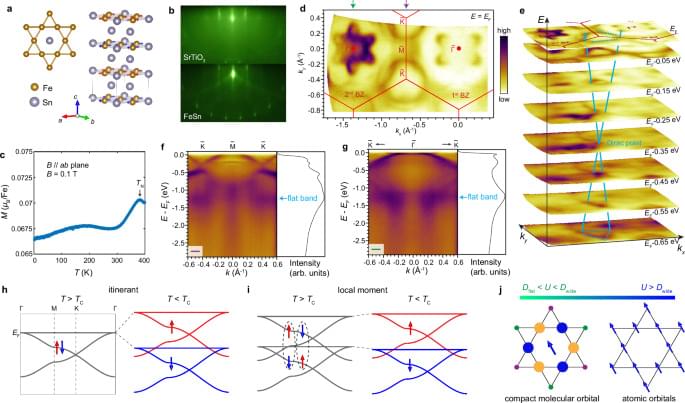
Spectroscopic study on a kagome magnet thin film uncovers the local-moment nature of the magnetism in the presence of topological flat bands, as well as a strong spin-and orbital-selective electronic correlation effect.
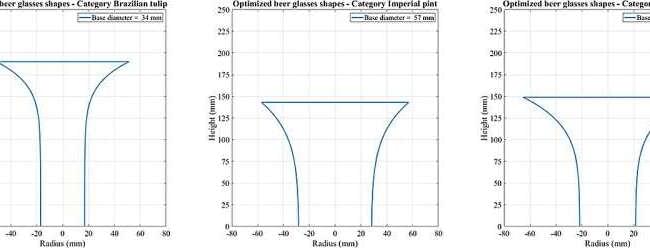
Claudio Pellegrini, a professor of thermal and fluid sciences at the Federal University of São João del-Rei in Brazil, has calculated the optimal shape for a beer glass to keep the beer cold for as long as possible. He has written a paper describing his analysis of beer glass shapes and posted it on the arXiv preprint server.
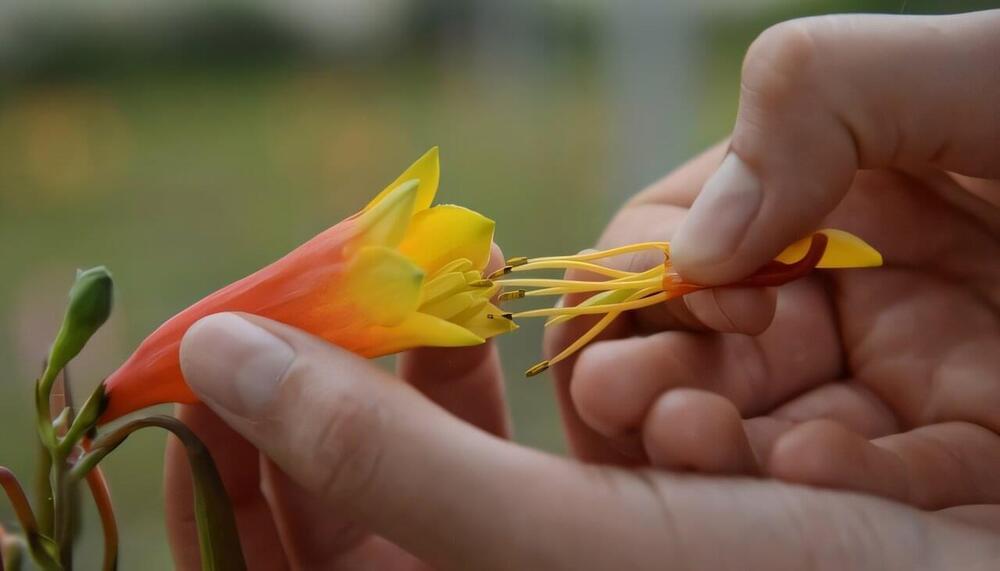
A study in the journal Plant Biology by researchers from Macquarie University and international collaborators has shown for the first time that plants reuse resources from wilting flowers to support future reproduction.
Lead author Honorary Professor Graham Pyke from Macquarie University says the findings help explain a common but poorly understood plant process.
“Our research delivers the first direct demonstration that plants can salvage resources from wilting flowers and reuse these resources to promote future reproduction,” Professor Pyke says.
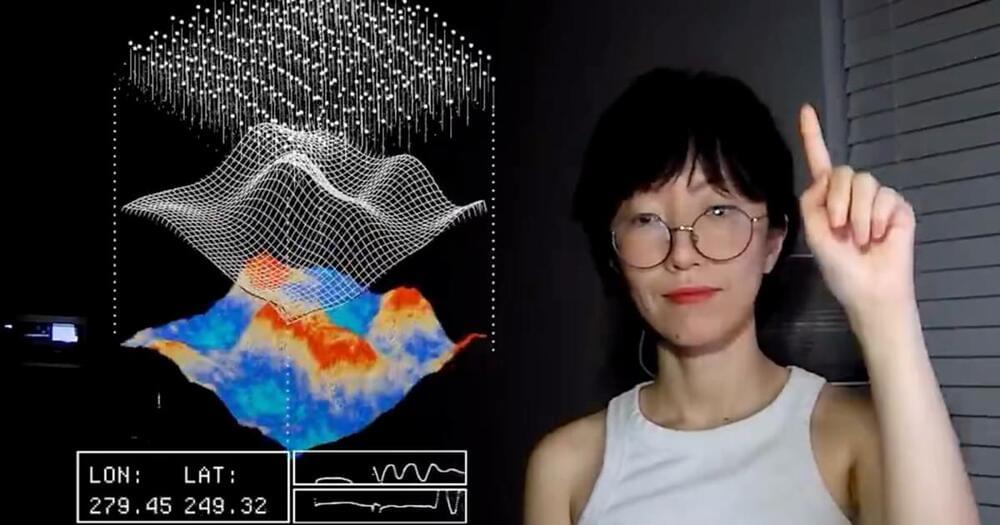

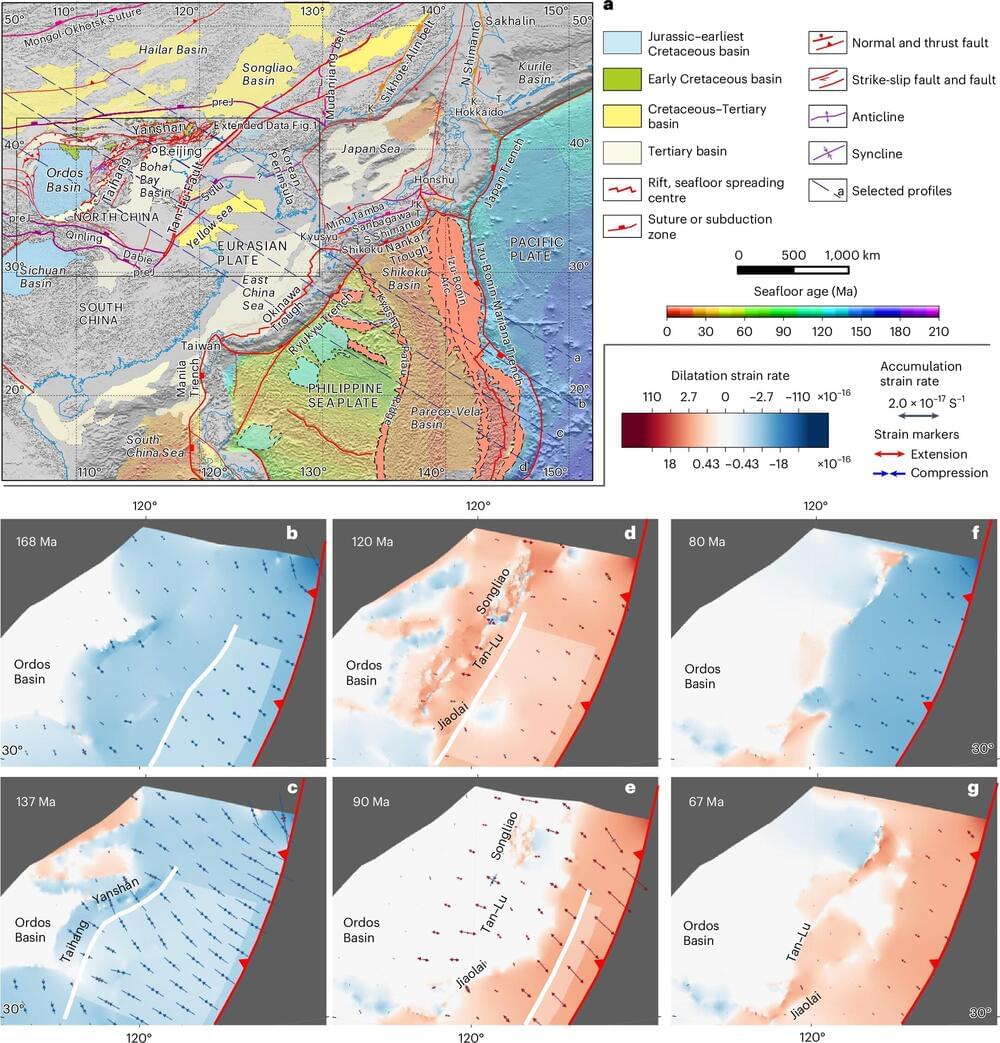
Cratons are fascinating yet enigmatic geological formations. Known to be relatively stable portions of the Earth’s continental crust, cratons have remained largely unchanged for billions of years. Although cratons have survived many geological events, some are undergoing decratonization—a process characterized by their deformation and eventual destruction.
The fastest animal on land is the cheetah, capable of reaching top speeds of 104 kilometers per hour. In the water, the fastest animals are yellowfin tuna and wahoo, which can reach speeds of 75 and 77 km per hour respectively. In the air, the title of the fastest level flight (excluding diving) goes to the white-throated needletail swift, at more than 112 km per hour.