
Una nueva doctrina militar detalla capacidades tanto ofensivas como defensivas para asegurar su superioridad orbital
Category: futurism – Page 287

Red, pink or white, all roses were once yellow says genomic analysis
Red roses, the symbol of love, were likely yellow in the past, indicates a large genomic analysis by researchers from Beijing Forestry University, China. Roses of all colors, including white, red, pink, and peach, belong to the genus Rosa, which is a member of the Rosaceae family.
Reconstructing the ancestral traits through genomic analysis revealed that all the roads trace back to a common ancestor —a single-petal flower with yellow color and seven leaflets.
The findings are published in Nature Plants.
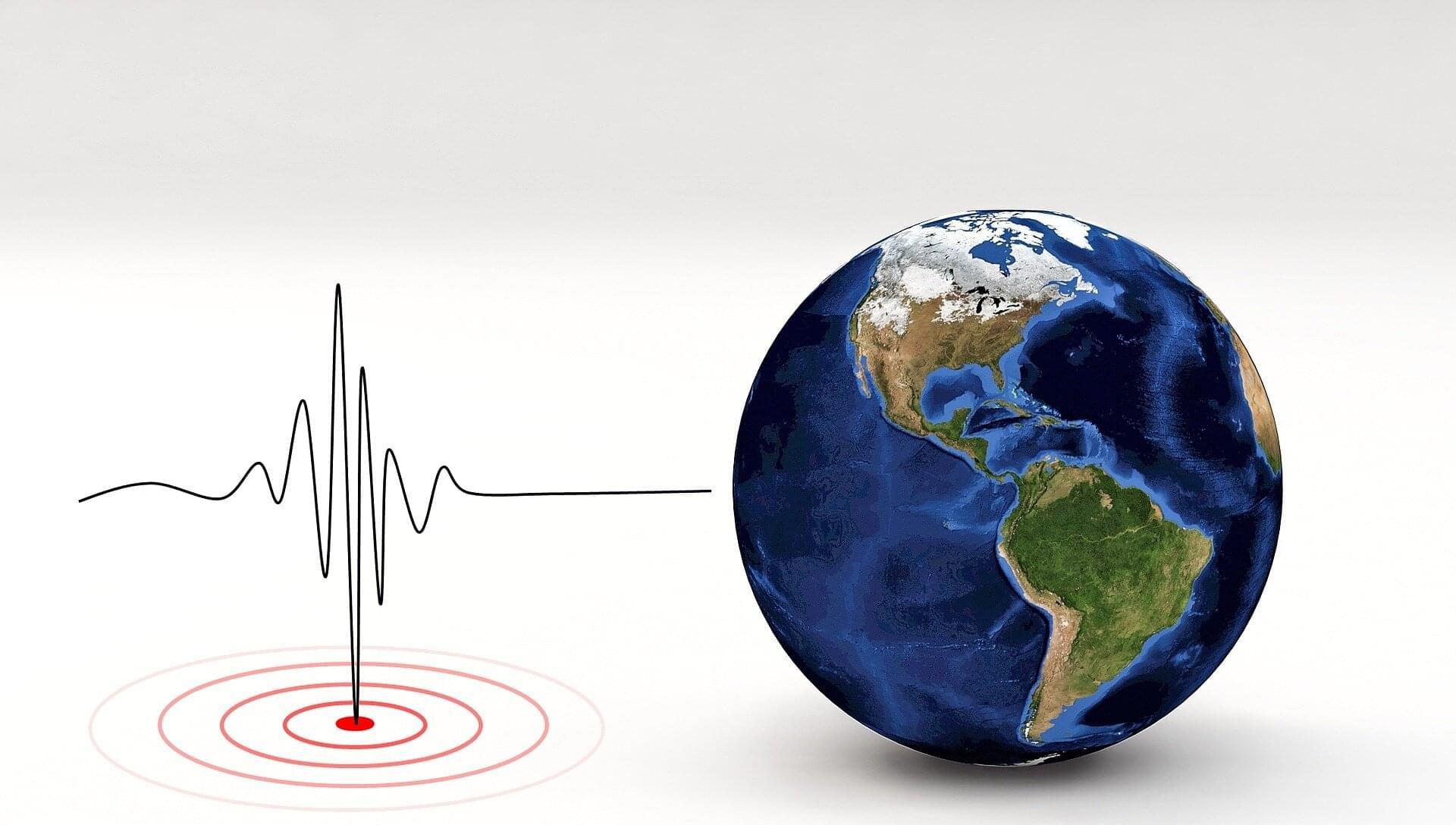
How wide are faults? Earthquake study reveals fault zones are sprawling networks, not single strands
At the Seismological Society of America’s Annual Meeting, researchers posed a seemingly simple question: how wide are faults?
Using data compiled from single earthquakes across the world, Christie Rowe of the Nevada Seismological Laboratory at the University of Nevada, Reno and Alex Hatem of the U.S. Geological Survey sought a more comprehensive answer, one that considers both surface and deep traces of seismic rupture and creep.
By compiling observations of recent earthquakes, Rowe and Hatem conclude that from Turkey to California, it’s not just a single strand of a fault but quite often a branching network of fault strands involved in an earthquake, making the fault zone hundreds of meters wide.
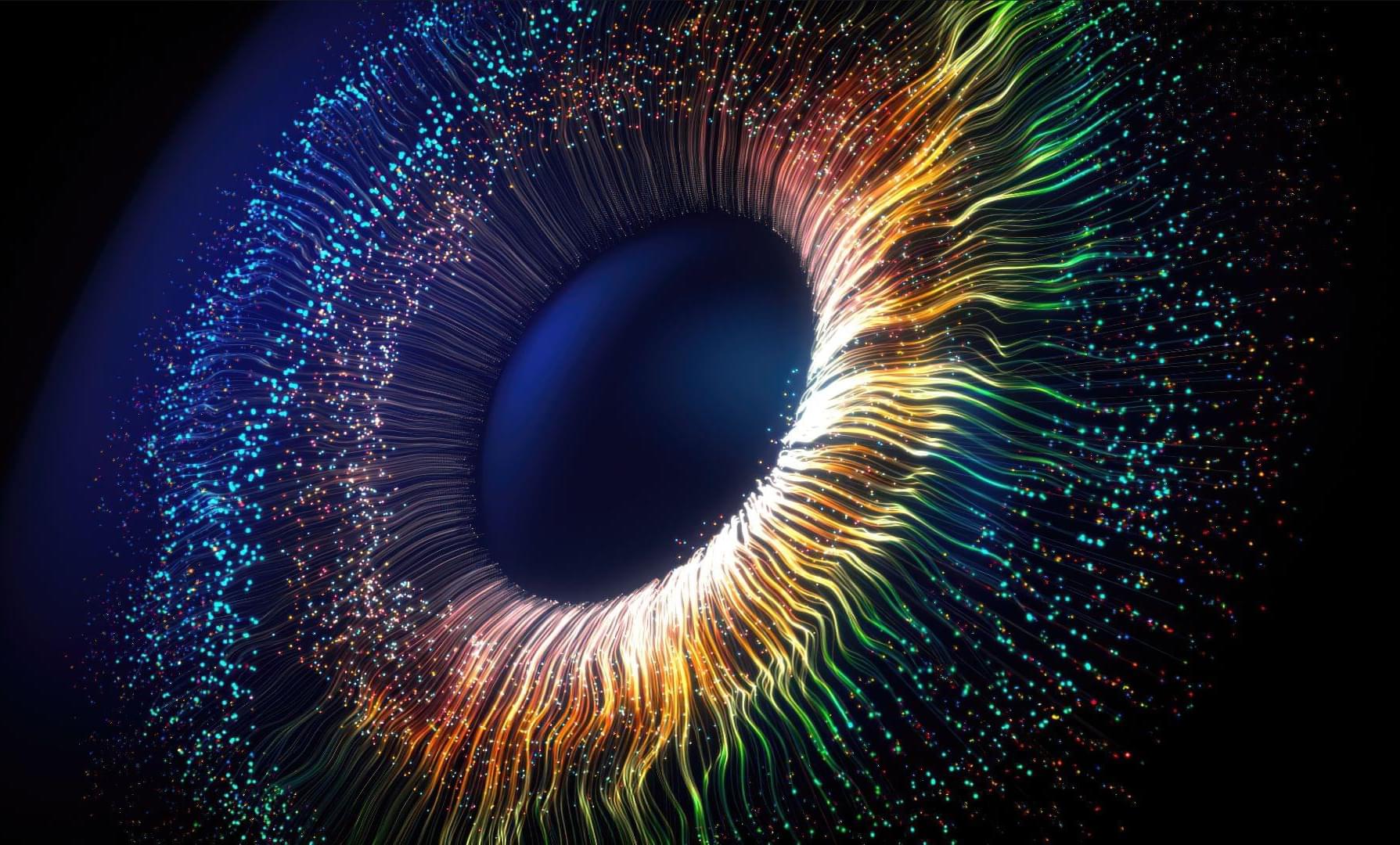
‘Olo’ is a brand-new color only ever seen by 5 people
Using an experimental technique called “Oz,” researchers stimulated the human retina such that people saw a brand-new color.
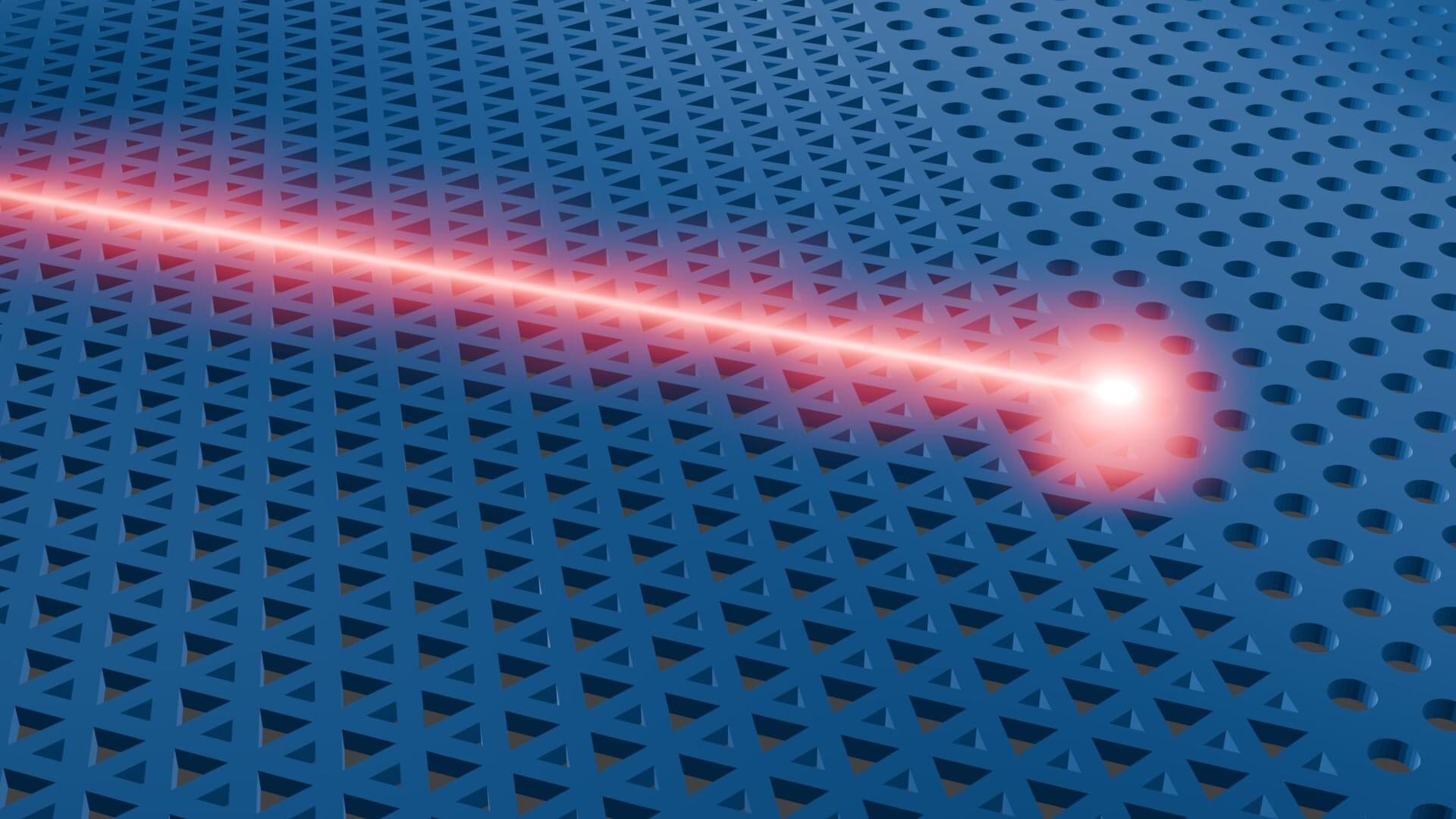
New mechanism uses photonic crystal for concentrating light on a chip
Concentrating light in a volume as small as the wavelength itself is a challenge that is crucial for numerous applications. Researchers from AMOLF, TU Delft, and Cornell University in the U.S. have demonstrated a new way to focus light on an extremely small scale. Their method utilizes special properties of a photonic crystal and works for a broader spectrum of wavelengths than alternative methods. The researchers published their findings in Science Advances on April 18.

Crystal-based cooling could keep future gadgets from overheating
I’m writing this from a laptop that’s stalling and refusing to switch between tabs because it’s gotten too warm in the early Indian summer. It’s not like I’m running a hectic workload of video and audio editing tools and multiple browsers at once: this old machine just can’t move heat away from the processor and other internals quickly enough.
That results in throttling, or reducing the clock speed at high temperatures, in order to prevent overheating and damage to the internal components. But a new finding from the University of Virginia School of Engineering and Applied Science could make that a thing of the past – with crystals.
When electronic components like the processor in your laptop are working at full tilt, they can get pretty hot. The same can be said for chips in a range of other devices, and even batteries in electric cars. Now, if these components are squashed into tight spaces, you’re going to see heat build up there and take a long time to dissipate.
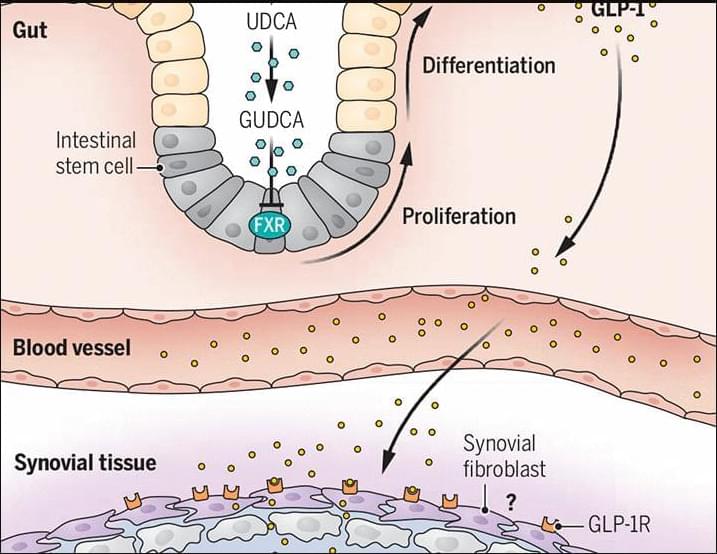
Beyond wear and tear at the joint
Bile acid metabolism meets glucagon-like peptide 1 signaling in osteoarthritis

Ancient humans may have faced radiation risk 41,000 years ago
A weakening of Earth’s magnetic field known as the Laschamps event would have increased the threat of solar radiation, perhaps requiring ancient humans to invent protective measures
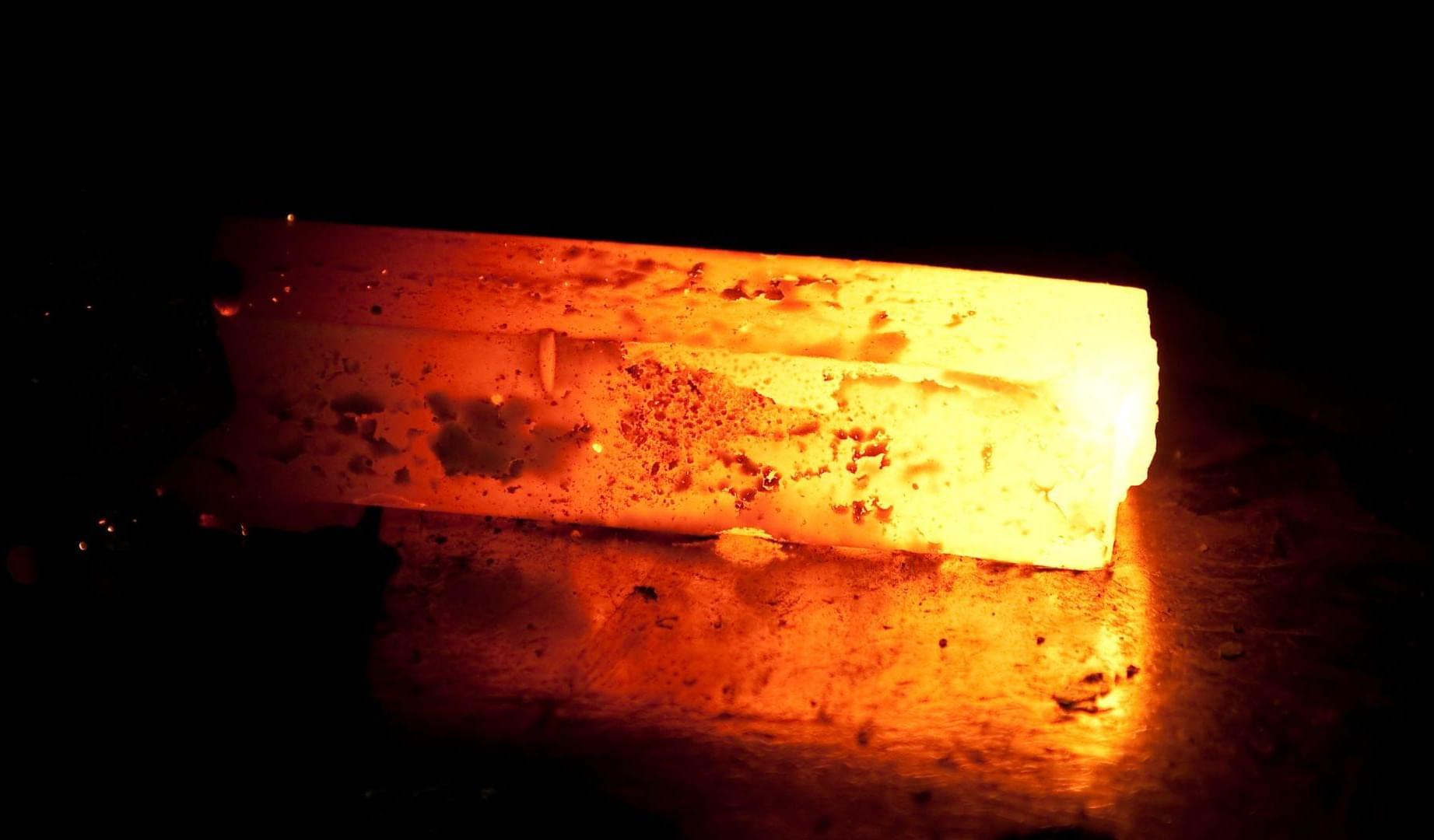
-321°F to 1,112°F: Superhero metal withstands extreme temperatures
A POSTECH team engineered a novel alloy stable from cryogenic to 1,112°F, overcoming limitations of traditional metals.
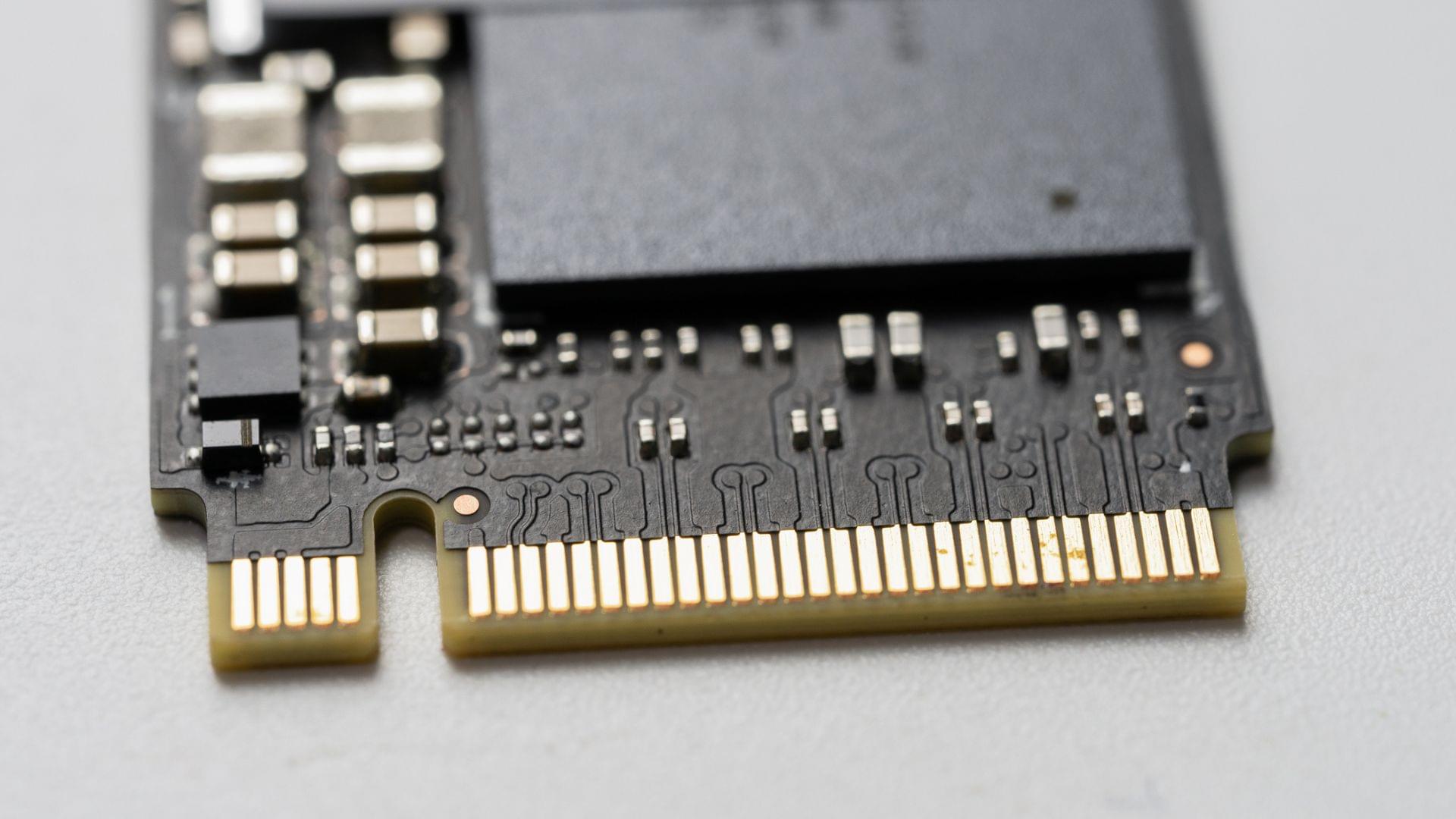
China scientists develop flash memory 10,000× faster than current tech
PoX is a new class of ultra‑fast, ultra‑green memories that meet the swelling appetite of large‑language‑model accelerators.