
Intelligence isn’t just knowing the path but understanding how to traverse the landscape of thought.
Category: futurism – Page 266
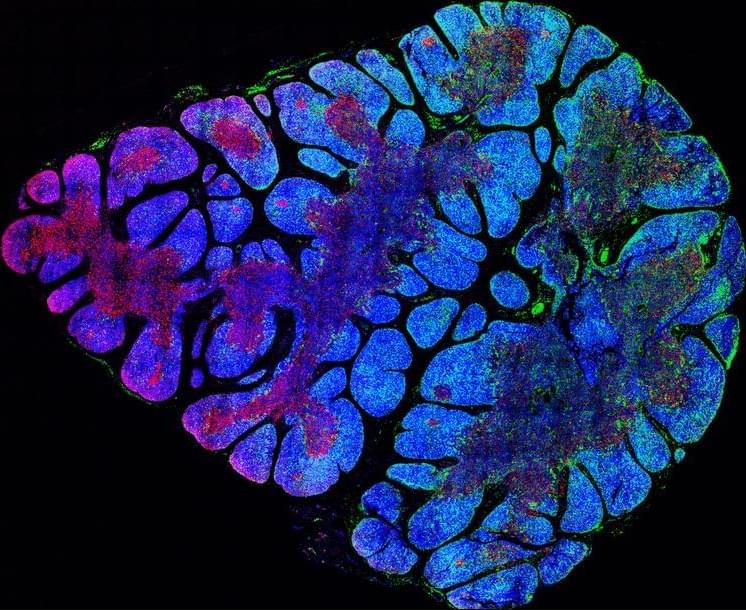
Distinct type I and II interferon responses direct cortical and medullary thymic epithelial cell development
Single-cell transcriptomics identifies type I and II interferons as regulators of cortical and medullary thymic epithelial differentiation.
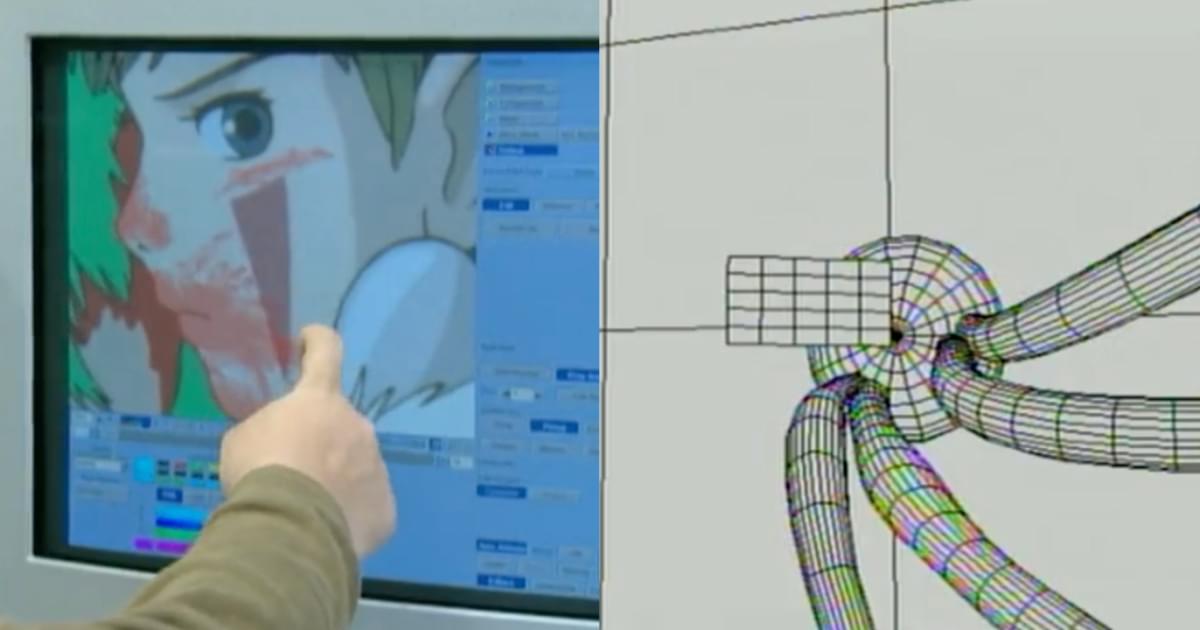
Princess Mononoke’s CG Scenes on CRT Monitor
It’s not all hand-crafted.

An evolving landscape of PRC2–RNA interactions in chromatin regulation
This Perspective discusses unresolved questions about how the chromatin modifier Polycomb repressive complex 2 (PRC2) binds RNA in vivo and the functional consequences of binding. The authors posit that RNA conformation is integral to PRC2 control and thus to regulation of chromatin state.

Are Amazon’s New Vulcan Robots Revolutionizing Warehouse Efficiency?
Amazon unveils Vulcan, a groundbreaking robot with a “genuine sense of touch” to revolutionize warehouse operations. Can Vulcan outpace human stowers in efficiency and creativity? With robots stowing 80% of 14 billion items annually, the future of logistics is here. Are you ready for it?
A Caltech professor who led Nvidia’s AI lab says AI can’t replace this one skill
One of AI’s leading researchers has a simple piece of career advice for young people worried about future-proof skills in the ChatGPT era: be curious.
“I think one job that will not be replaced by AI is the ability to be curious and go after hard problems,” Anima Anandkumar, a professor at the California Institute of Technology, said in an interview with EO Studio that aired on Monday.
“So for young people, my advice is not to be afraid of AI or worry what skills to learn that AI may replace them with, but really be in that path of curiosity,” Anandkumar added.

Jury orders NSO to pay $167 million for hacking WhatsApp users
The verdict is a major victory for opponents of exploit sellers.
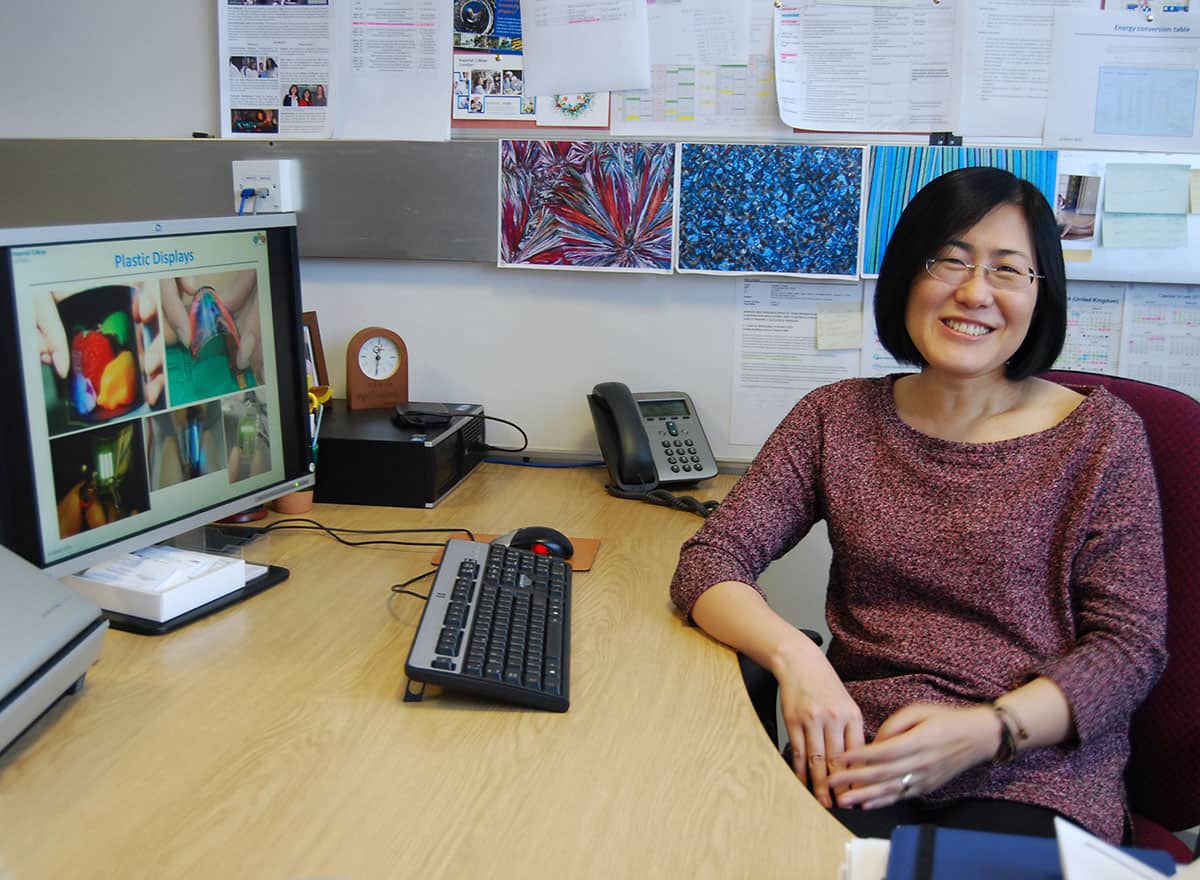
Organic magic: Ji-Seon Kim on how carbon-based semiconductors are shaping our present and future
Ji-Seon Kim talks about the transformative potential of carbon-based semiconductors and the benefits of tangible experiences in the lab

European tech company sets up U.S. headquarters in Texas
The company focused on application performance monitoring (APM) solutions now has dual headquarters.

Humans prefer to put more effort into empathizing with groups than with individuals, study shows
What makes us care about others? Scientists studying empathy have found that people are more likely to choose to empathize with groups rather than individuals, even though they find empathizing equally difficult and uncomfortable in both cases.
The scientists suggest that the sight of groups of people could offer more contextual information which helps people decide whether to empathize, and therefore increases the chances that they choose to do so.
“People’s willingness to empathize is different depending on who the target is: a single individual or a group of people,” said Dr. Hajdi Moche of Linköping University, Sweden, lead author of an article in Frontiers in Psychology.