Prysmian plans to invest $500 million to expand its copper and aluminum electrical wire manufacturing facility in McKinney.

Prysmian plans to invest $500 million to expand its copper and aluminum electrical wire manufacturing facility in McKinney.
Watch Herbert take one of the very FIRST EVER rides on a Tesla Robotaxi in Austin. Herbert was one of a handful of people to be selected as Early Access User…
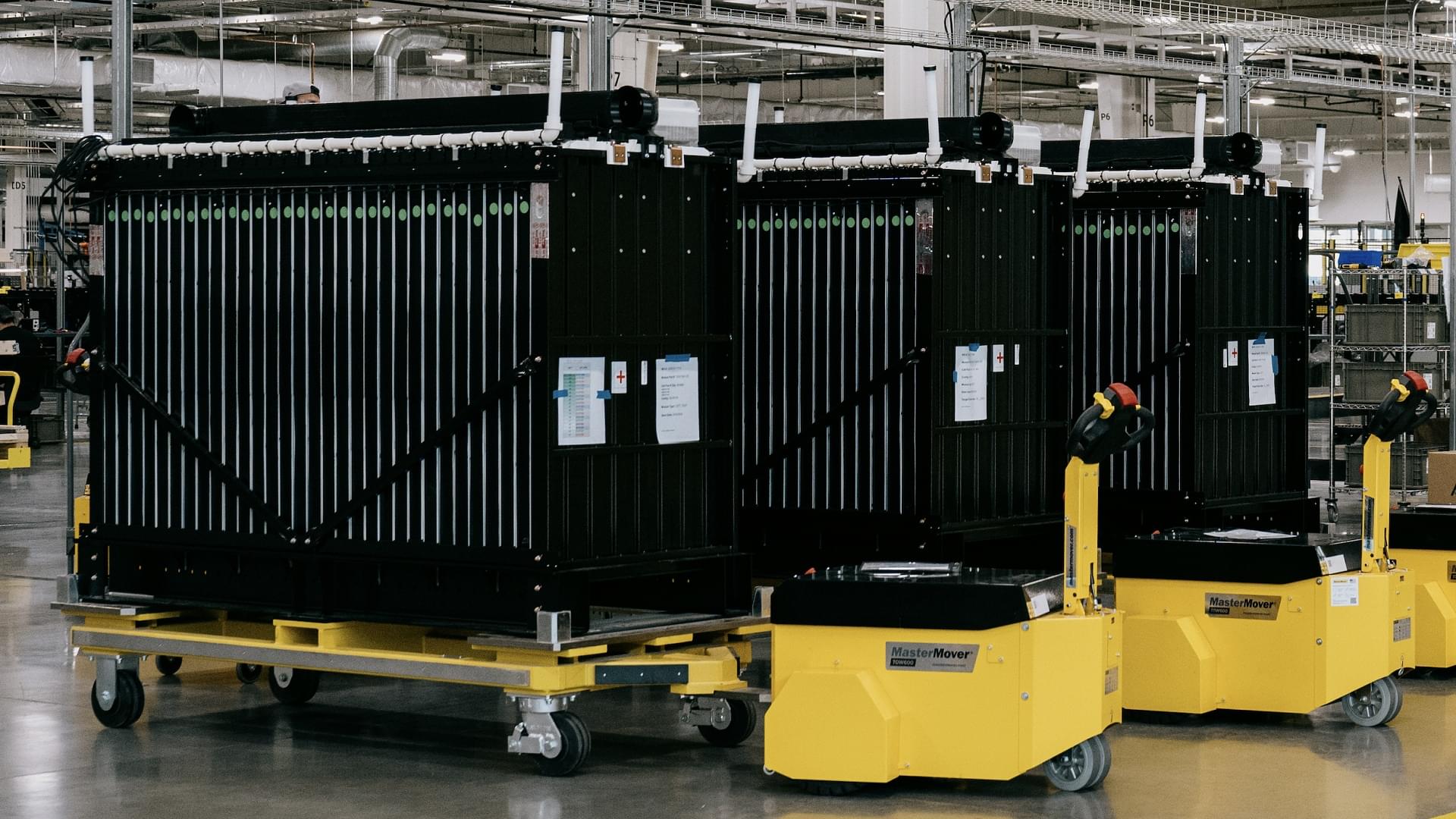
The rust-based battery system by the Massachusetts-based company offers safer, cheaper, and longer grid storage than lithium-ion.
A fireside with Sam Altman on June 16, 2025 at AI Startup School in San Francisco.
Sam Altman grew up obsessed with technology, broke into the Stanford mainframe as a kid, and dropped out to start his first company before turning 20.
In this conversation, he traces the path from early startup struggles to building OpenAI—sharing what he’s learned about ambition, the weight of responsibility, and how to keep building when the whole world is watching. He opens up about the hardest moments of his career, the limits of personal productivity, and why, in the end, it’s all still about finding people you like working with and doing something that matters.
Chapters (Powered by https://ChapterMe.co)
00:00 – We’re going for AGI
01:25 – Founding OpenAI Against the Odds.
05:00 – GPT-4o & the Future of Reasoning Models.
07:00 – ChatGPT Memory & the ‘Her’ Vision.
10:00 – GPT-5 & the Vision of a Multimodal Supermodel.
11:00 – Robots at Scale.
15:00 – Don’t Build ChatGPT — Build What’s Missing.
17:00 – Elon’s Harsh Email & Building Conviction.
26:00 – One Person’s Leverage in the Next Decade.
32:00 – AI for Science: Sam’s Personal Bet.
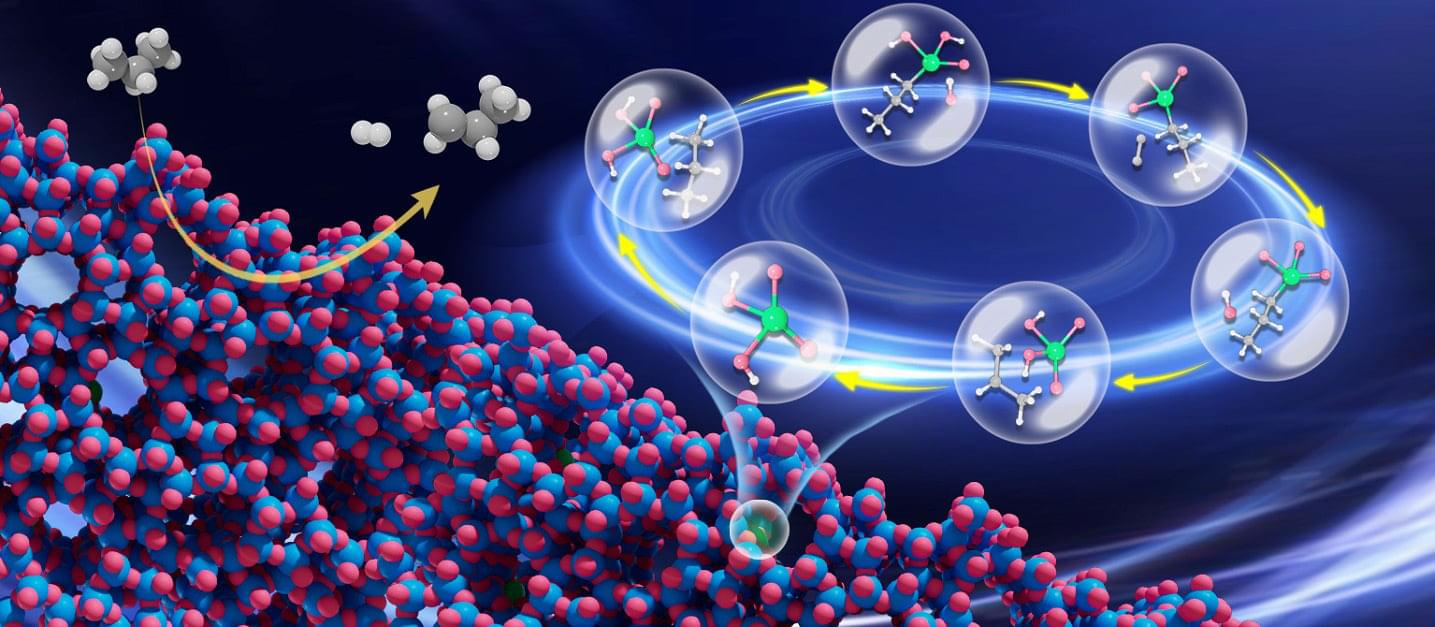
CoS-1 is a cobalt zeolite catalyst that boosts propylene production efficiently and stably, challenging platinum-based alternatives.
Propane dehydrogenation is an important industrial method for producing propylene without depending on oil. However, most current processes still depend heavily on precious-metal catalysts like those made with platinum. Finding efficient alternatives that use more common, earth-abundant metals has proven difficult.
Synthesis of high-performance CoS-1 catalyst.
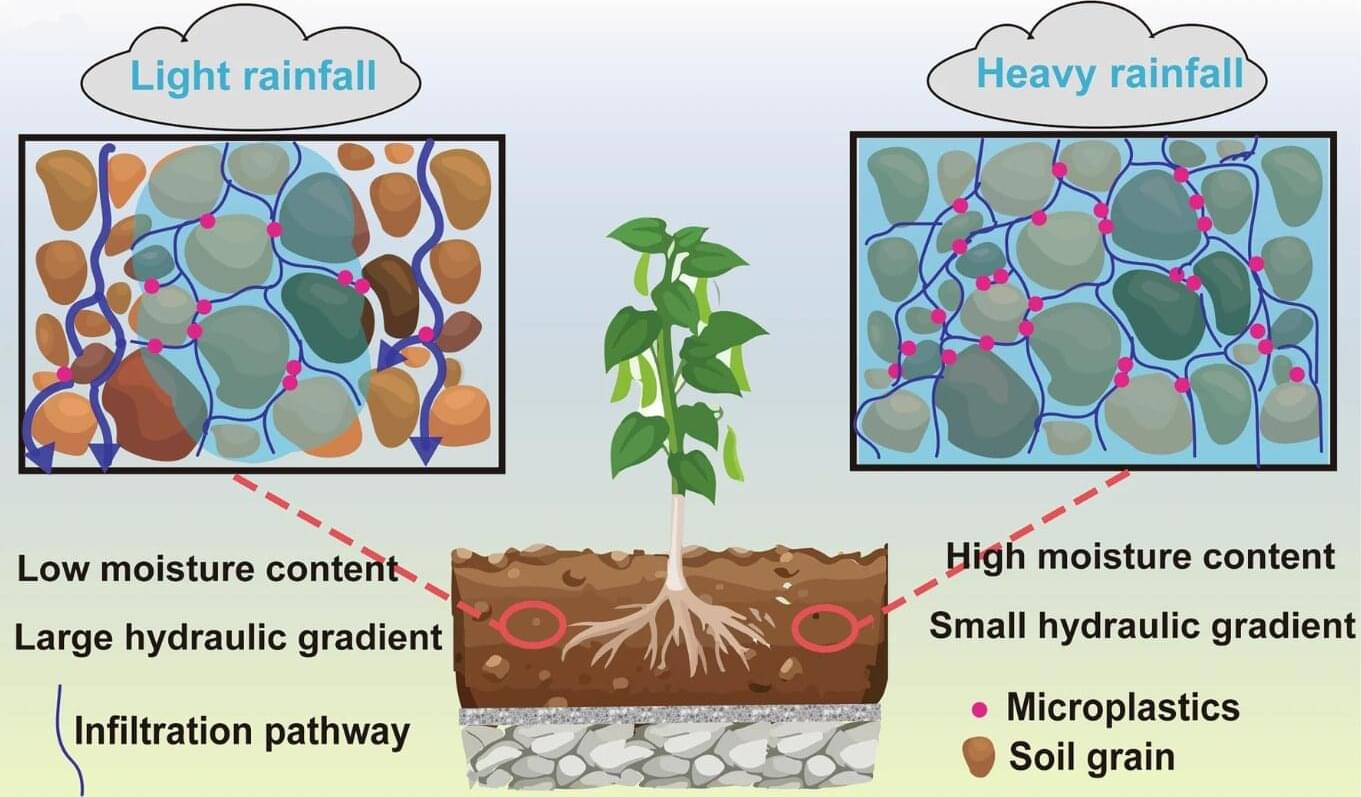
A small team of researchers at Tongji University, working with a colleague from the Shanghai Academy of Landscape Architecture Science and Planning, both in China, has found that growing plants on roofs can serve as an effective way to remove microplastics from the air. In their study, published in the journal Communications Earth & Environment, the group measured the amounts of microplastics found on plants and the soil in which they grow.
Prior research has shown that growing plants on roofs can reduce heating and cooling bills and also clear pollution from the surrounding air. The research team wondered if that also included microplastics.
To find out, they built a simulated roof environment in their lab, where, in a thin layer of fresh soil, they planted two kinds of plants commonly used on rooftops in the city of Shanghai. They also introduced microplastic particles into the air above the plants at levels common to Shanghai. They then conducted simulated rains, measuring microplastic levels on the plants and in the soil.
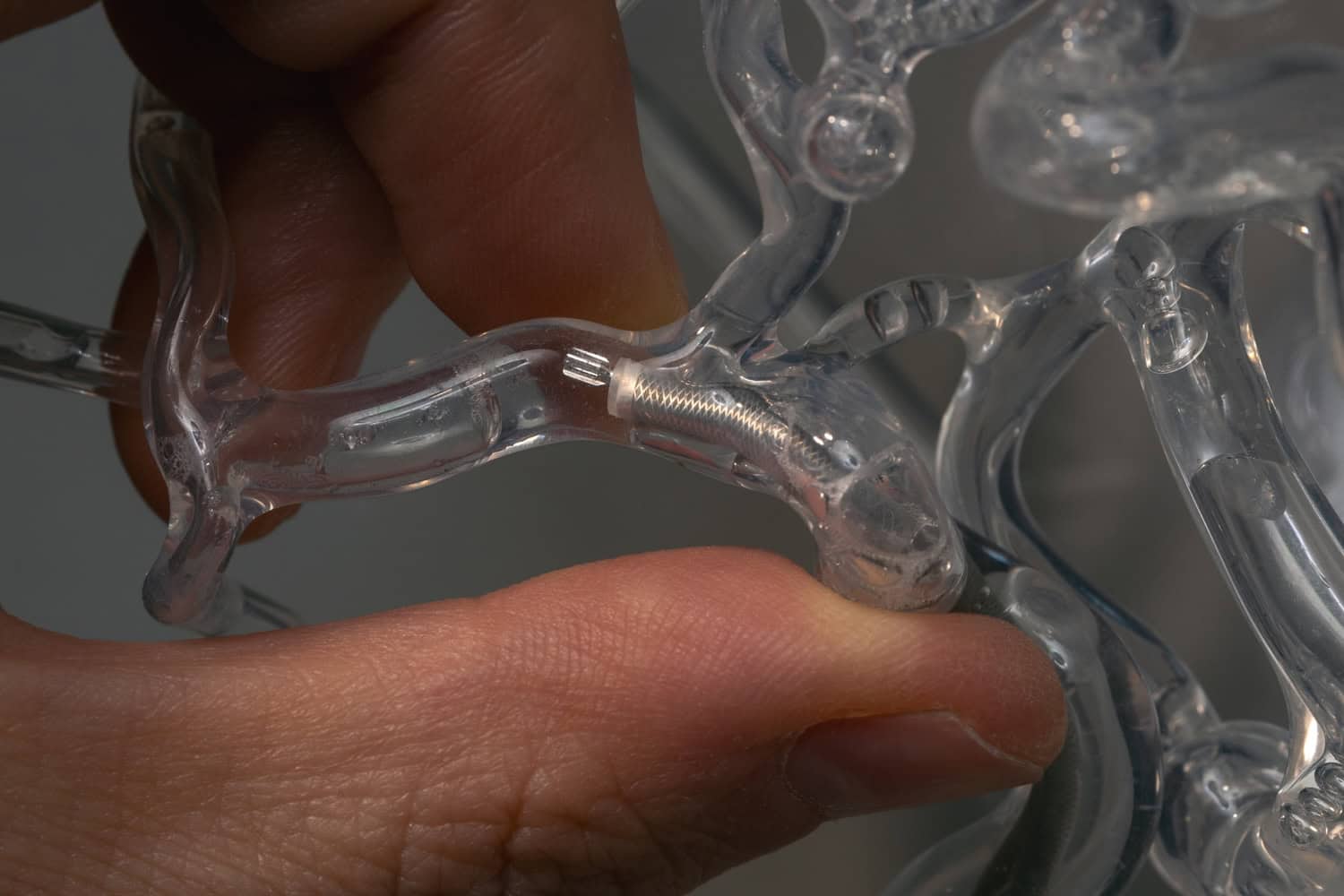
Forget brute force—Stanford engineers are using finesse to tackle deadly clots.

A sudden volcano eruption has shaken a beloved vacation paradise, turning a dream getaway into a scene of danger and disruption. On the scenic island of Flores in Indonesia, the Lewotobi Laki-Laki volcano has erupted, casting a thick ash plume high into the sky and prompting urgent travel warnings from the German foreign office. If you were planning a trip to this stunning island near Bali, now is the time to pause and reconsider.
The Lewotobi Laki-Laki volcano, standing nearly 5,200 feet tall, sent a towering cloud of ash nearly 6 miles above its summit, according to Indonesia’s agency for volcanic and geological hazards. This spectacular but ominous plume has blanketed the area, forcing closures and safety zones as ash drifts across the island’s lush landscapes.
After 185 years, the Asian small-clawed otter—world’s tiniest otter—rediscovered in Nepal

Sound doesn’t just reach your ears. New research shows sound waves can change gene activity and cell behavior deep inside your body.
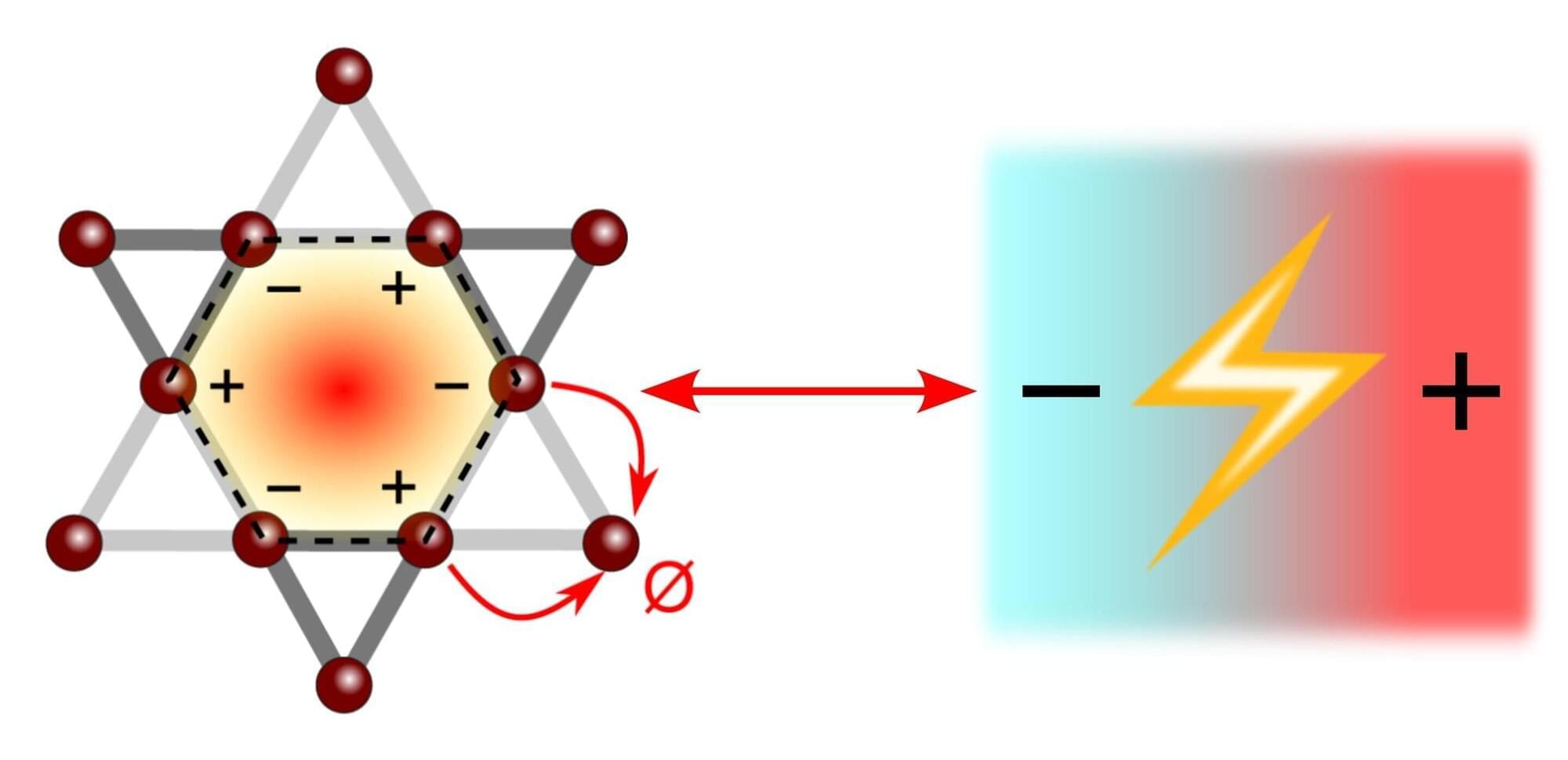
Electricity can be easily converted into heat—every electric cooker does it. But is the opposite also possible? Can heat be converted into electricity—directly, without a steam turbine or similar detours?