An exploration of the idea of miniaturizing technology and how aliens might make themselves invisible through this process.
My Patreon Page:
/ johnmichaelgodier.
My Event Horizon Channel:
/ eventhorizonshow.
Links:
An exploration of the idea of miniaturizing technology and how aliens might make themselves invisible through this process.
My Patreon Page:
/ johnmichaelgodier.
My Event Horizon Channel:
/ eventhorizonshow.
Links:
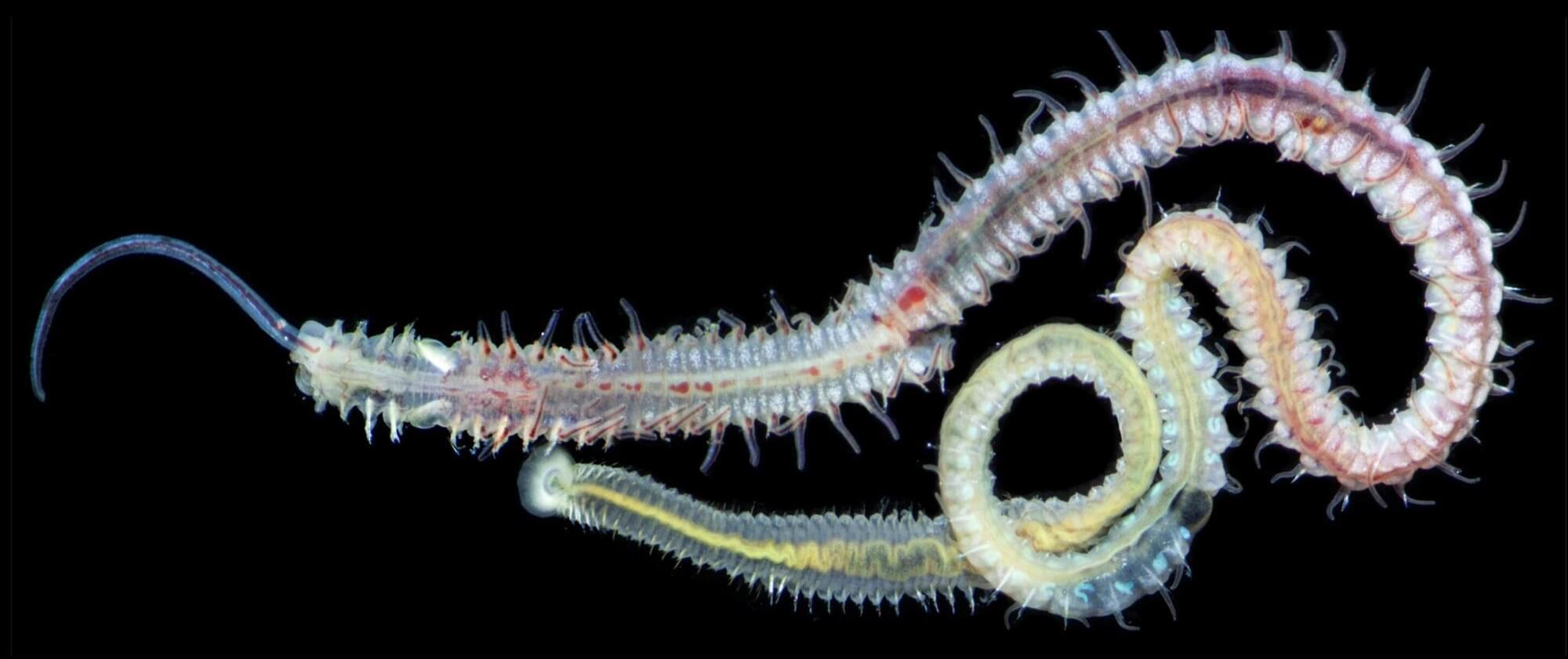
A new study has unexpectedly discovered that a common parasite of modern oysters actually started infecting bivalves hundreds of millions of years before the dinosaurs went extinct.
The research, published in iScience, used high-resolution 3D scans to look inside 480-million-year-old shells from a Moroccan site known for its exceptionally well-preserved sea life. The scans revealed a series of distinctive patterns etched both on the surface of the fossils and hidden inside them.
“The marks weren’t random scratches,” said Karma Nanglu, a UC Riverside paleobiologist who led the research. “We saw seven or eight of these perfect question mark shapes on each shell fossil. That’s a pattern.”
Around the globe, heart disease remains one of the top causes of death. Once patients begin to suffer from serious heart problems, like heart attacks and heart failure, the heart muscles become damaged and are difficult to treat and repair. Although many therapies have been developed to treat symptoms, full recovery to a pre-disease state has been essentially impossible. This is due to a lack of regeneration ability in adult human heart cells. Studies using stem cells or progenitor cells for repair have demonstrated limited efficacy in clinical trials, thus far.
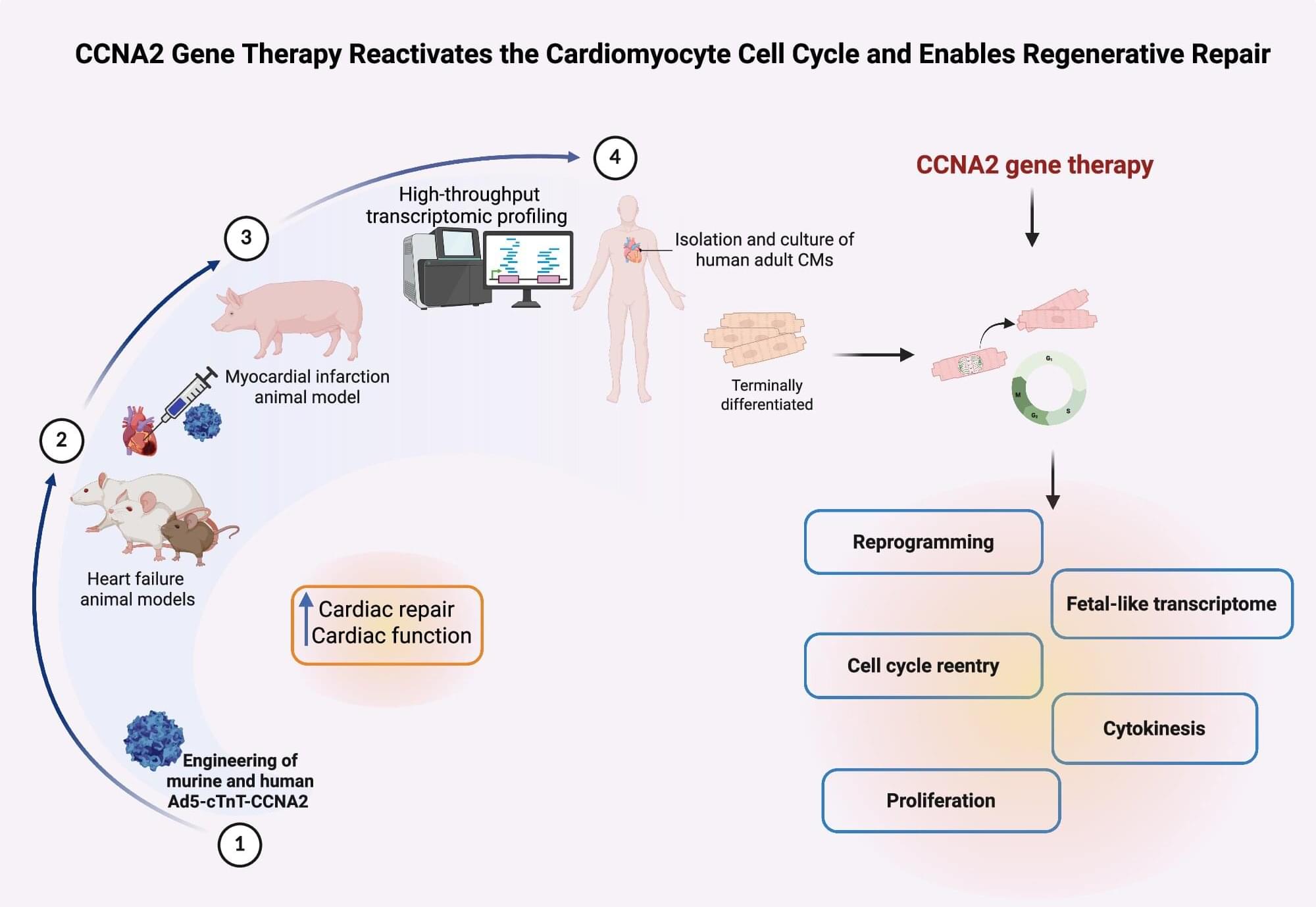
However, there may be new hope for these patients. Researchers from the Icahn School of Medicine at Mount Sinai in New York have been working to turn back time by switching on a gene known to regenerate heart muscle cells, or cardiomyocytes. Their study, recently published in npj Regenerative Medicine, indicates that adult human hearts may be given the ability to regenerate themselves with future therapies.

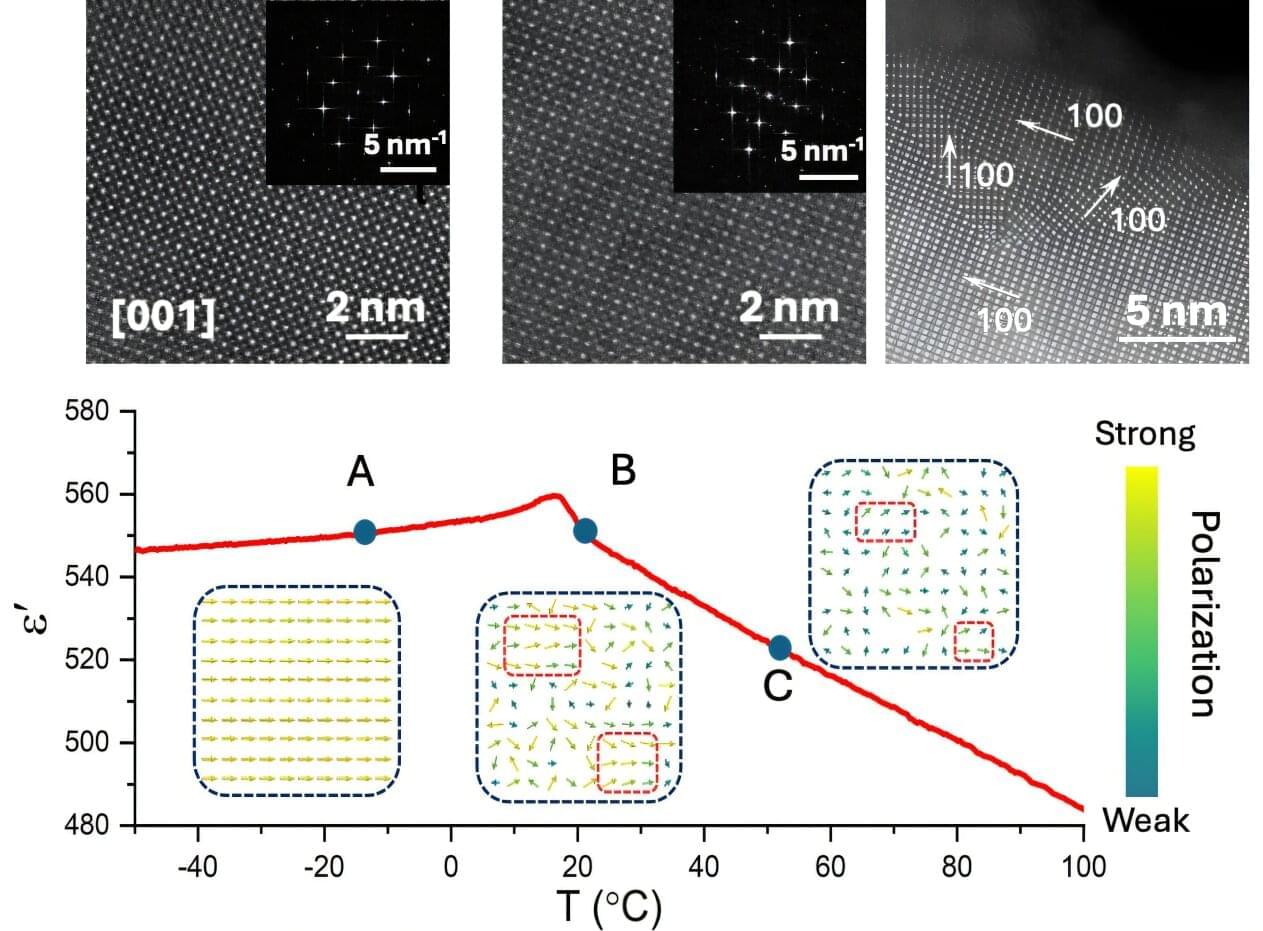
New research reveals that Earth’s so-called “Boring Billion” was a time of dramatic change beneath the surface.


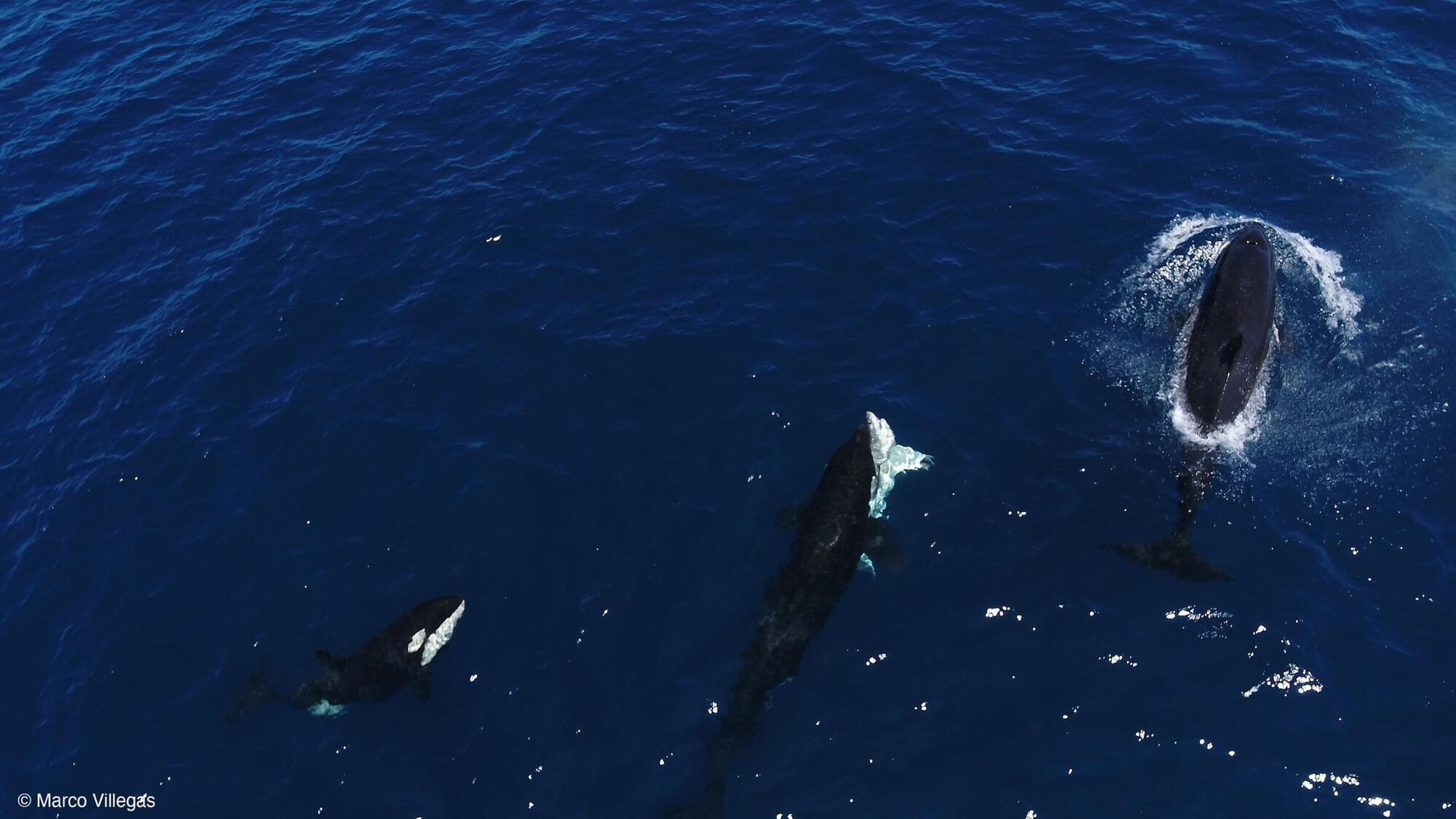
A specialized shark-hunting pod of orcas in the Gulf of California has been caught on camera expertly targeting young great white sharks—flipping them upside-down to eat the energy-rich liver.
The pod, known as Moctezuma’s pod, could be taking advantage of warming waters altering shark nursery areas to hunt juveniles, which lack the experience to flee as older sharks do. These observations suggest that orcas may hunt white sharks more often than we realized. However, a broader survey collecting more data is needed to draw strong conclusions.
“I believe that orcas that eat elasmobranchs—sharks and rays—could eat a great white shark, if they wanted to, anywhere they went looking for one,” said marine biologist Erick Higuera Rivas, project director at Conexiones Terramar and Pelagic Life and lead author of the article in Frontiers in Marine Science.