Kostenlos Energie für die gesamte Menschheit und dabei noch umweltfreundlich? Eine solche Maschine könnte die globalen Energieprobleme der Menschheit auf einen Schlag lösen. John Searl, Erfinder aus den USA hat schon vor Jahrzehnten eine solche Maschine vorgestellt und seine Geschichte liest sich wie ein Hollywood Streifen. Nicht nur, dass Searl DIE Methode gefunden haben soll, um kostenlos saubere Energie zu erzeugen, auch mit dem US Militär geriet der Erfinder a la „Staatsfeind Nummer 1“in Konflikt, die alle seine Arbeiten und Prototypen des Searl Effect Generators zerstört haben sollen. Wahrheit oder Spinnerei? Heute ist John 82 Jahre alt und hat noch ein großes Ziel: Die Energiemonopole zu stürzen um der Welt für den Rest aller Tage kostenlos Energie zur Verfügung zu stellen und dabei gleichzeitig seinen Dokumentarfilm auf DVD zu verkaufen. Worum es bei dem Searl Effect Generator geht und weshalb das US-Militär John´s Entwicklungen zerstört haben soll lest und seht ihr in diesem Beitrag bei uns auf Trends der Zukunft.
Category: futurism – Page 1,167
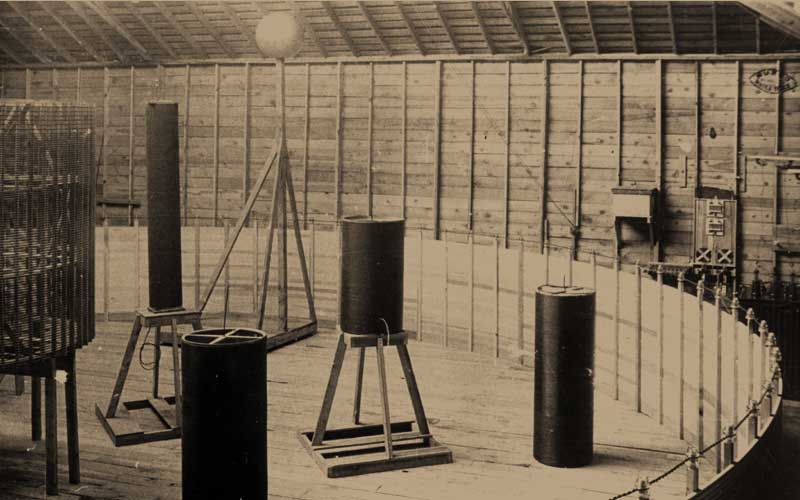
Nikola tesla
Nikola tesla patents I think they filtered it though.
Search and read the full text of patents from around the world with Google Patents, and find prior art in our index of non-patent literature.
Square Enix Shows Real-Time Graphics Of The Future
Square Enix studio Luminous Productions has unveiled a new tech demo called “Back Stage” that shows how it uses ray-tracing tech. The demo is rendered in real-time.
Luminous Productions was established last year and staffed with former Final Fantasy XV staff. The game’s director Hajime Tabata initially headed up the studio. He has since left Square Enix.
As Siliconera points out, this tech demo shows off next-gen possibilities for its in-house Luminous Engine. Here, the real-time ray tracing shows the character’s face and emotions reflected in a realistic way that simply isn’t possible in previous real-time rending tech.


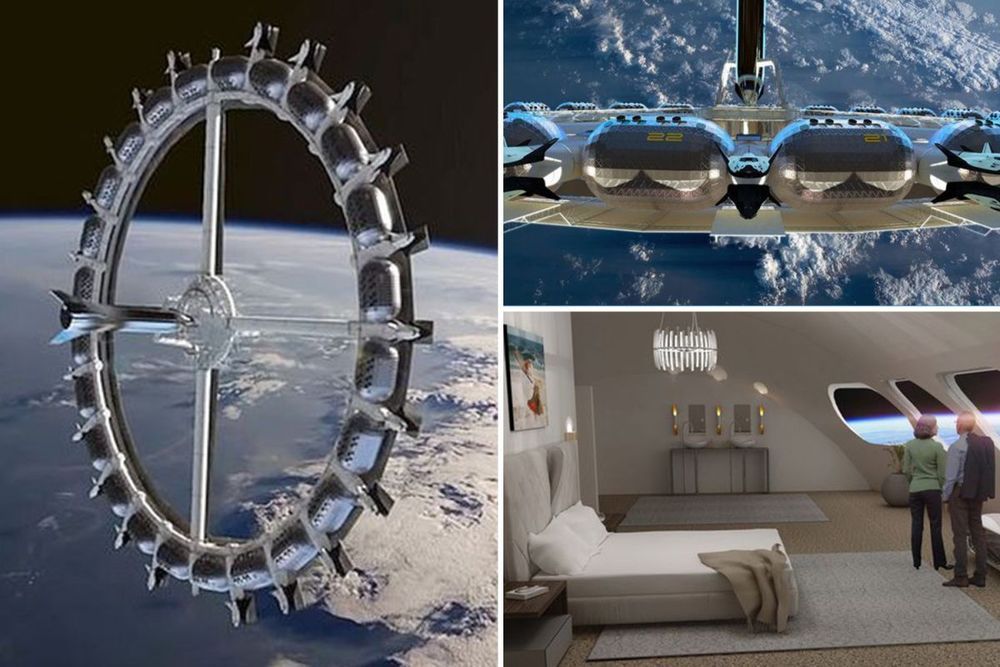
‘World’s first space hotel’ revealed with artificial gravity and stunning ‘Earth view’ cabins for 400 astro-tourists
DESIGNS for the ‘first space hotel’ have been revealed and it’s as weird and futuristic as you would expect.
The orbiting space station is designed to accommodate 400 guests and has facilities that you find in top hotels such as restaurants, bars and a cinema.
The commercial space hotel has been designed by The Gateway Foundation.


M-Theory: When tech takes us back to the future
Tech prefers to be forward-facing. Like, obsessively so. What’s new? What’s next? We don’t even like to analyze and maintain what we’ve already made, let alone spend any time really looking back. After all, the interesting problems have already been solved… and where’s the money in it?
We can actually do both, and use the progress of technology to do a great service to the past. Bringing clarity, identity, context and even solving mysteries. Still usually no money in it, though.