Today Bas Timmer spoke about the power of people helping people during the opening of Design Indabab 2020, where simultaneously Sheltersuit South Africa was launched! 🚀 A huge thank you to Ravi Naidoo and Design Indaba for providing the seed money for the production of the first 250 Shelterbags in Cape Town. We would also like to thank today’s amazing audience, we honestly couldn’t think of a warmer welcome to South Africa! ❤️ #peoplehelpingpeople
Category: futurism – Page 1,097

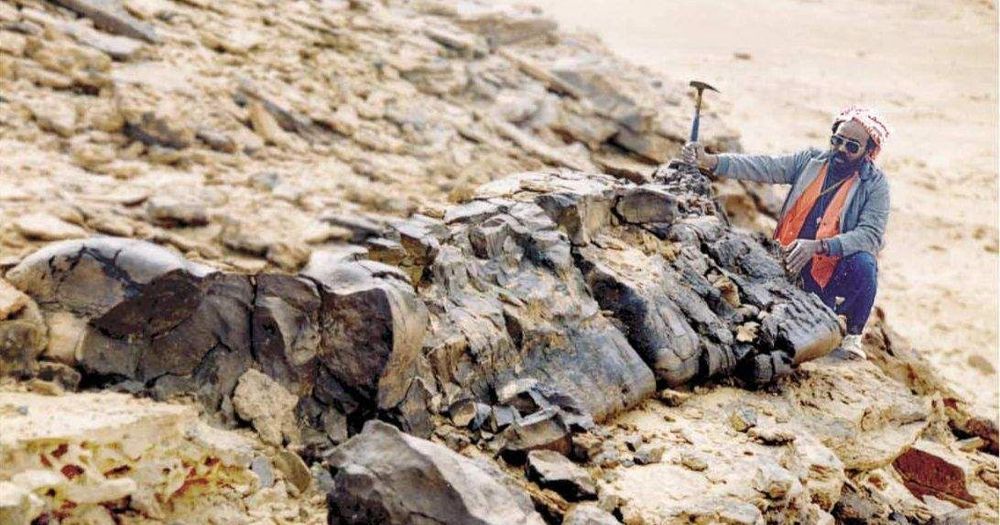
When Giant Mushrooms Ruled the Earth
Long before trees overtook the land, earth was covered by giant mushrooms.
24 feet tall and three feet wide, these giant spires dotted the ancient landscape.
A chemical analysis has shown that the 20-foot-tall (6-metre) organism with a tree-like trunk was a fungus that became extinct more than 350 million years ago.

Panic buying spreads across the US with worried shoppers stocking up
New diagnoses pushed the COVID-19 tally past 100, including six deaths in Washington State. Shoppers across the country have reacted to the news by stocking up at wholesale stores.
Amazon opens first large-scale, cashierless grocery store
Retail giant Amazon has just opened a 10,400 square foot, cashierless grocery store, located in Seattle. Is this the future of shopping?

Avengers: Infinity War — Iron Man Mark 50 Suit Up
Watch avengers: infinity war on digital HD july 31 and blu-ray august 14!
I own nothing!
Credit goes to Marvel Studios and Walt Disney Studios Motion Pictures.
Your Textbooks Are Wrong, This Is What Cells Actually Look Like
This new laser microscope can reveal cells like never before 😱.