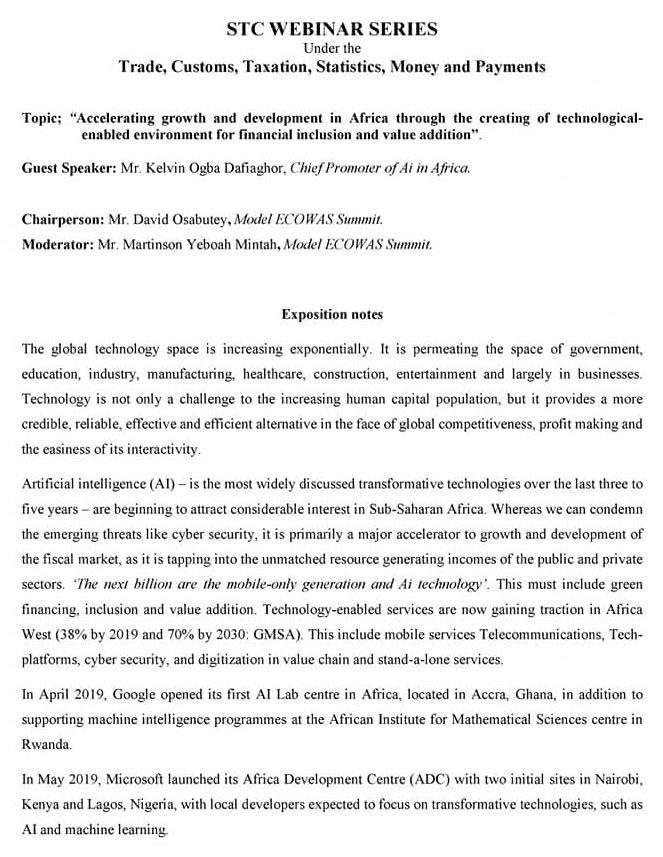
It was fun speaking on STC webinar today.
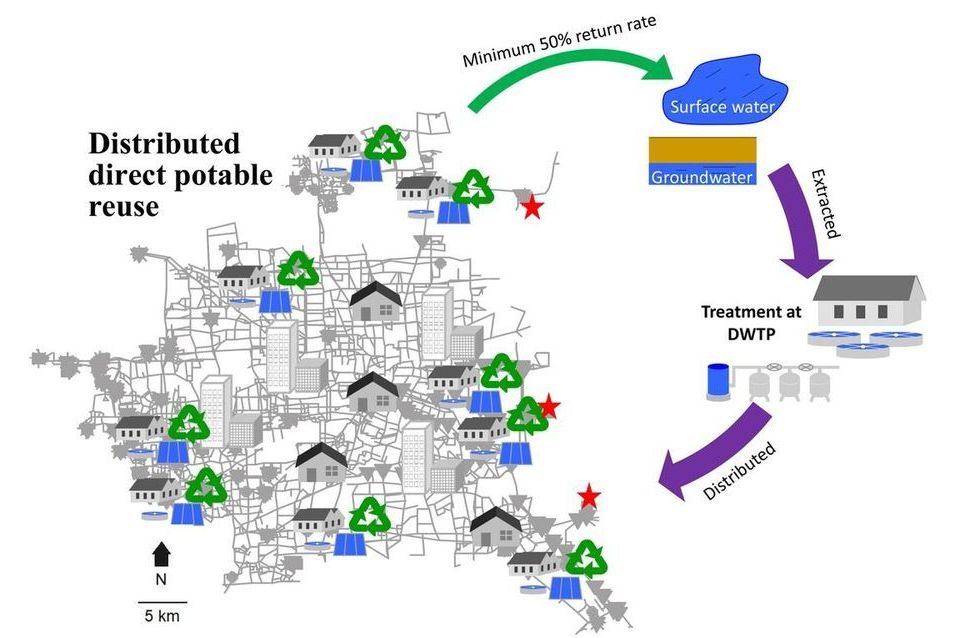
Using Houston as a model, researchers at Rice’s Brown School of Engineering have developed a plan that could reduce the need for surface water (from rivers, reservoirs or wells) by 28% by recycling wastewater to make it drinkable once again.
While the cost of energy needed for future advanced purification systems would be significant, they say the savings realized by supplementing fresh water shipped from a distance with the “direct potable reuse” of municipal wastewater would more than make up for the expense.
And the water would be better to boot.
The shocking case of Amanda Berry, 27, Gina DeJesus, 27, and Michele Knight, 32, all of whom were abducted as long as 11 years ago, provides fresh hope for parents still grappling with their own child’s disappearance.
Thousands of people go missing in the United States each year and many are never heard from again.
According to the National Center for Missing and Exploited Children, roughly 800,000 children are reported missing each year in the United States — that’s roughly 2,000 per day. Of those, there are 115 child “stranger abduction” cases each year, which means the child was taken by an unknown person.
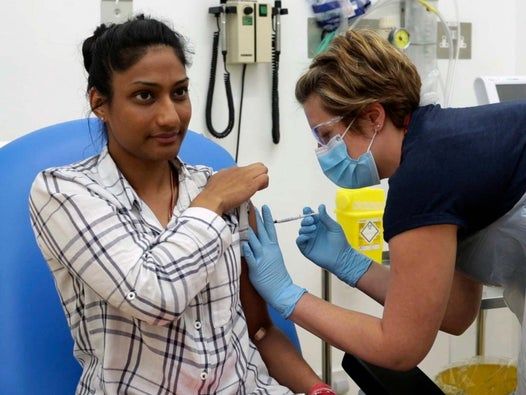
When pharmaceutical company Moderna issued a press release about the promising results of its Phase I clinical trial for a coronavirus vaccine, the media and the markets went wild. The New York Times ran a story that went viral on Twitter, racking up millions of views as social media influencers and doctors alike shared it far and wide. Moderna’s stock price shot up 20 percent and several peer companies like Novavax rallied even higher at more than 30 percent.
But was it justified?
The news cycle in the era of the coronavirus pandemic feels like tidal waves of hope and fear on steroids. Perhaps that’s because with more than 36 million Americans losing their jobs and more than 90,000 losing their lives, everyone is desperately looking for the light at the end of the tunnel. Covid-19 is taking an unprecedented physical and psychological toll on the American people and so small bits of potentially good news that should be taken with a grain of salt can end up dominating the headlines. People turn molehills into mountains because we really need and want a game-changer right now. But the truth is the truth regardless of what we want or feel, especially in science and medicine.

Circa 2012
An event took place October 2012 in the Utah desert that escaped the attention of most. Boeing successful tested an electro-magnetic pulse (EMP) device mounted within a missile. When I first reported on the early development of these weapons back in 2007 many scoffed and claimed all of this hype was pure fiction. Well it became a scientific fact.
Ok I Need to know what this is.
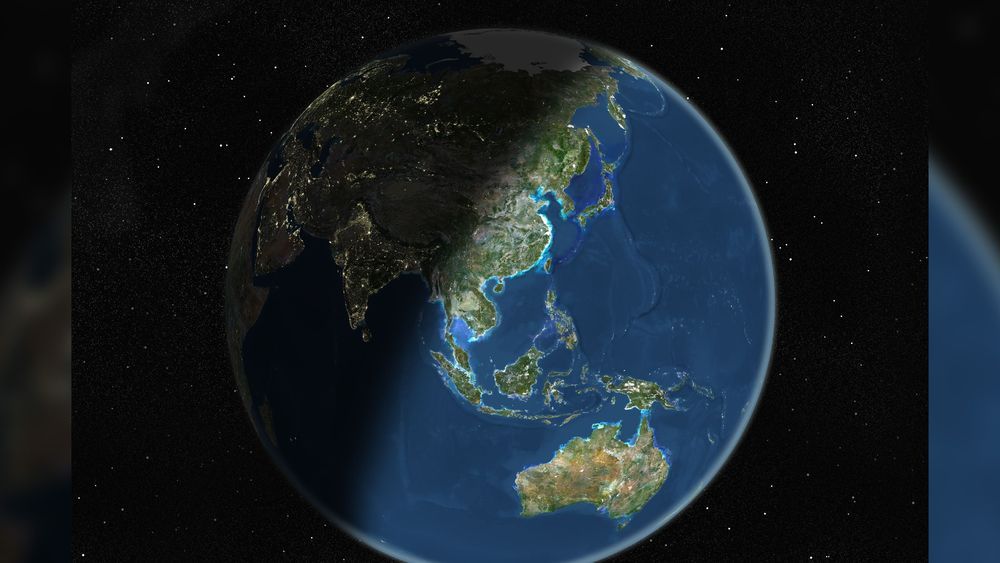
The giant tectonic plate under the Indian Ocean is going through a rocky breakup … with itself.
In a short time (geologically speaking) this plate will split in two, a new study finds.
To humans, however, this breakup will take an eternity. The plate, known as the India-Australia-Capricorn tectonic plate, is splitting at a snail’s pace — about 0.06 inches (1.7 millimeters) a year. Put another way, in 1 million years, the plate’s two pieces will be about 1 mile (1.7 kilometers) farther apart than they are now.