
Category: futurism – Page 1,069

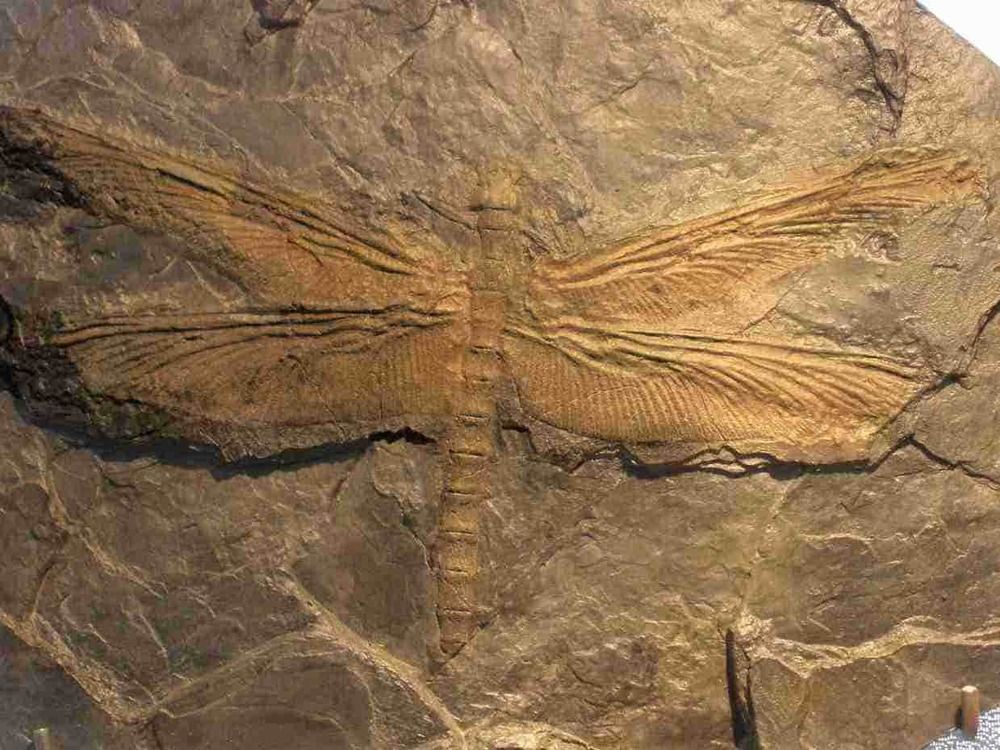
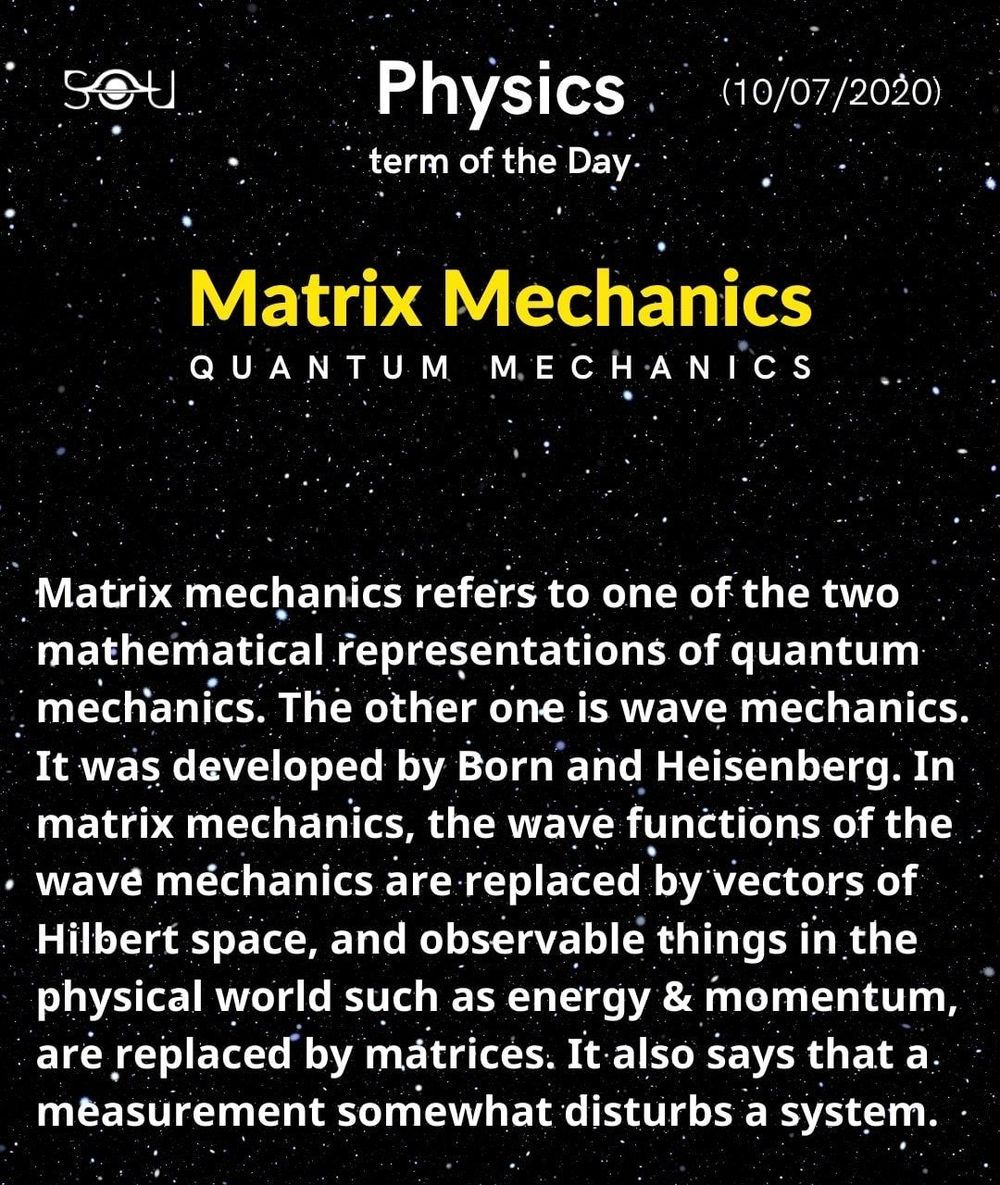
Do you agree Eric Klien?
Our YouTube channel 👇 https://www.youtube.com/channel/UCK-0srt5hdY5m6Zos_NlJZg
Researchers solve a 50-year-old enzyme mystery
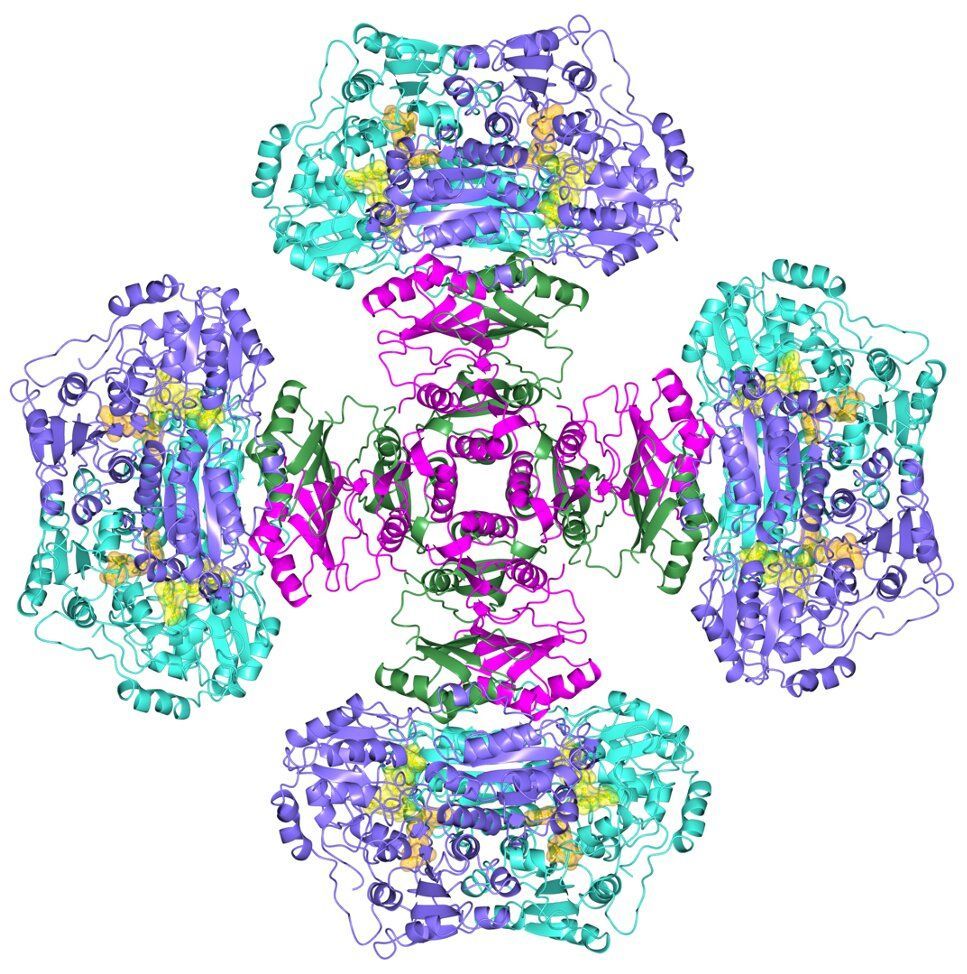
Advanced herbicides and treatments for infection may result from the unraveling of a 50-year-old mystery by University of Queensland researchers.
The research team, led by UQ’s Professor Luke Guddat, revealed the complete three-dimensional structure of an enzyme, providing the first step in the biosynthesis of three essential amino acids —leucine, valine and isoleucine.
“This is a major scientific advance, which has been pursued globally by chemists for half a century,” Professor Guddat said.
Rechargeable Water-cooled Air Conditioner
🌈🌈Mini air conditioning fan water cooling small fan small student portable 📣📣USB dual battery rechargeable dormitory bed office desktop📣📣 ultra-quiet electric fan cooling cooler spray humidifier❄❄
✨Get Yours Now: https://bit.ly/3fpZR4F

Researchers find safeguards for quantum communications
Army researchers developed a new way to protect and safeguard quantum information, moving quantum networks a step closer to reality.
Quantum information science is a rapidly growing interdisciplinary field exploring new ways of storing, manipulating and communicating information. Researchers want to create powerful computational capabilities using new hardware that operates on quantum physics principles.
For the Army, the new quantum paradigms could potentially lead to transformational capabilities in fast, efficient and secure collecting, exchanging and processing vast amounts of information on dynamic battlefields of the future.
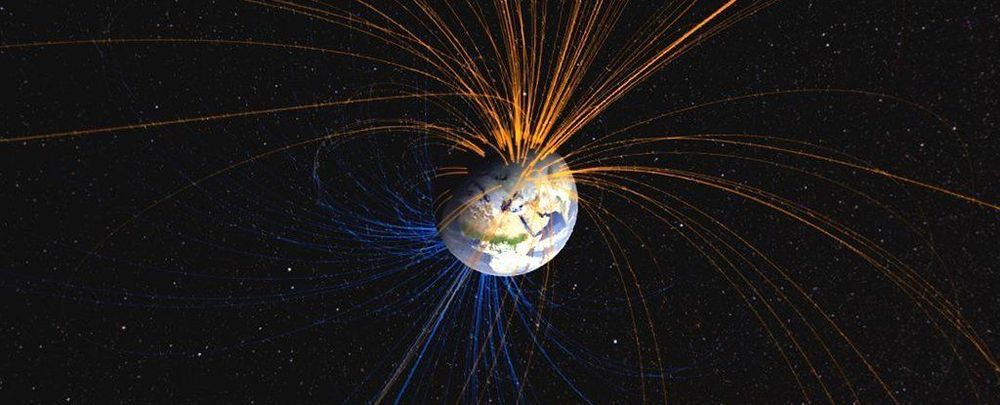
Earth’s Magnetic Field Could Be Changing Much Faster Than We Ever Realised
The Earth’s magnetic field flips, every few hundred thousand years or so on average, which means magnetic north becomes magnetic south and vice versa (the planet doesn’t actually turn upside down). New research suggests this change of direction can happen up to 10 times faster than previously thought.
That’s big news for scientists studying how the magnetic field shifts affect life on Earth, how our planet has evolved over time, and how we might be better able to predict the next reversal in the coming years.
Past palaeomagnetic studies have shown that the magnetic field could change direction at up to 1 degree a year, but the latest study suggests that movements of up to 10 degrees annually are possible.