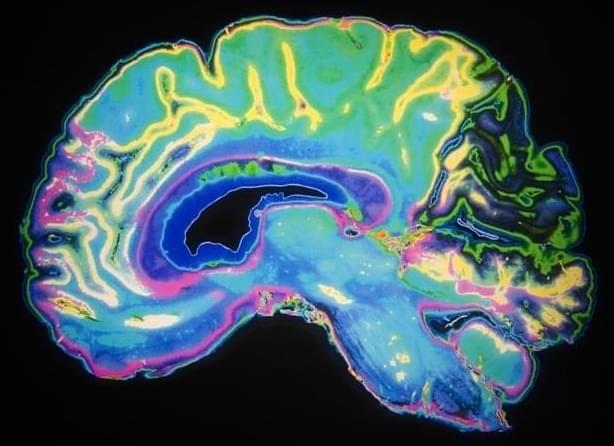
Researchers at Weill Cornell Medicine and Birkbeck, University of London, have identified a site where a commonly used anesthetic binds to sodium ion channels, revealing a molecular mechanism that may explain how these drugs dampen communication between neurons. Ion channels are proteins that regulate the flow of charged particles across cell membranes, enabling neurons to generate electrical signals. By reducing this signaling, inhaled anesthetics help suppress brain activity, producing unconsciousness and immobility during surgery.
The findings, published June 19 in Nature Communications, shed light on a longstanding mystery: For 175 years, doctors have safely used inhaled anesthetics to render patients unconscious, but didn’t fully understand how these drugs work.
“Sodium channels are critical for communication between neurons in the brain, and anesthesia breaks down that communication,” said Dr. Hugh Hemmings, senior associate dean for research and chair of the Department of Anesthesiology at Weill Cornell, who co-led the research. “So, there’s good reason to believe that the unconsciousness produced by volatile anesthetics is related to their effects on sodium channels.”