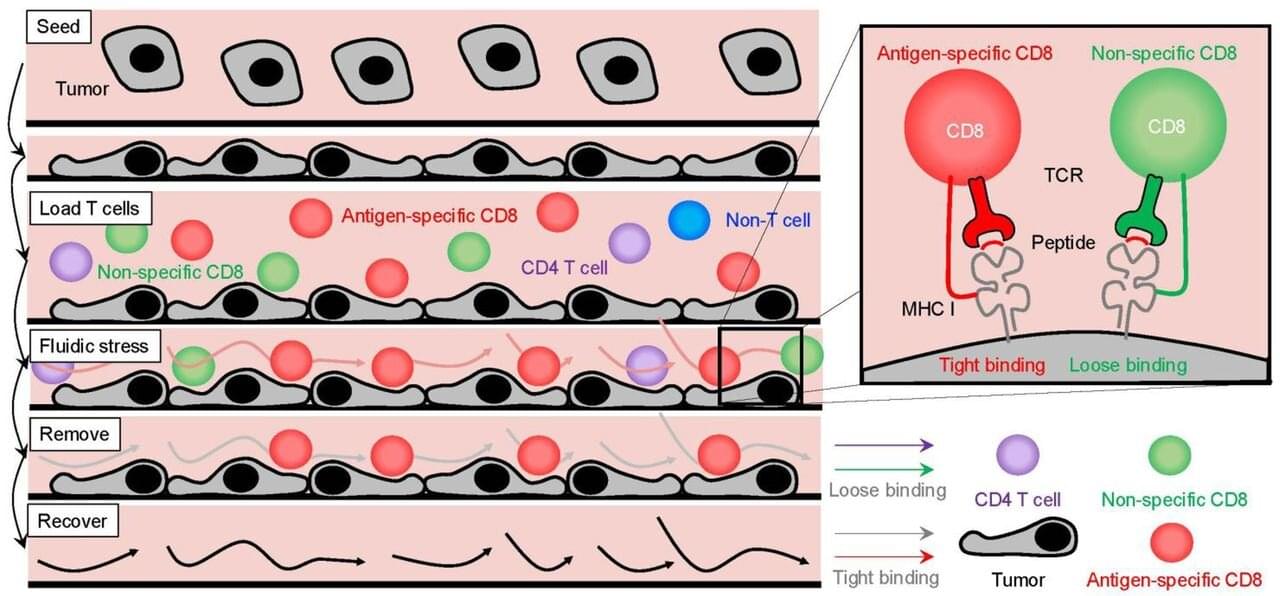
A new platform developed by researchers at the University of Texas MD Anderson Cancer Center quickly finds and isolates rare, tumor-reactive immune cells that are especially good at recognizing and attacking cancer cells, even without knowing which tumor targets are recognized by the immune cells. This approach addresses a major bottleneck in immunotherapy development and could accelerate the creation of personalized treatments.
The platform, called ATTACH (Assessment of T cells Tethered to Antigen Class I Histocompatibility), identifies the strongest interactions between T cells and cancer-specific proteins, isolating only the most effective, tumor-reactive T cells for further study and therapeutic use.
The study, published today in the Journal for ImmunoTherapy of Cancer, was led by Alexandre Reuben, Ph.D., assistant professor of Thoracic/Head and Neck Medical Oncology, and Amanda Montoya, senior research assistant in the Reuben lab.