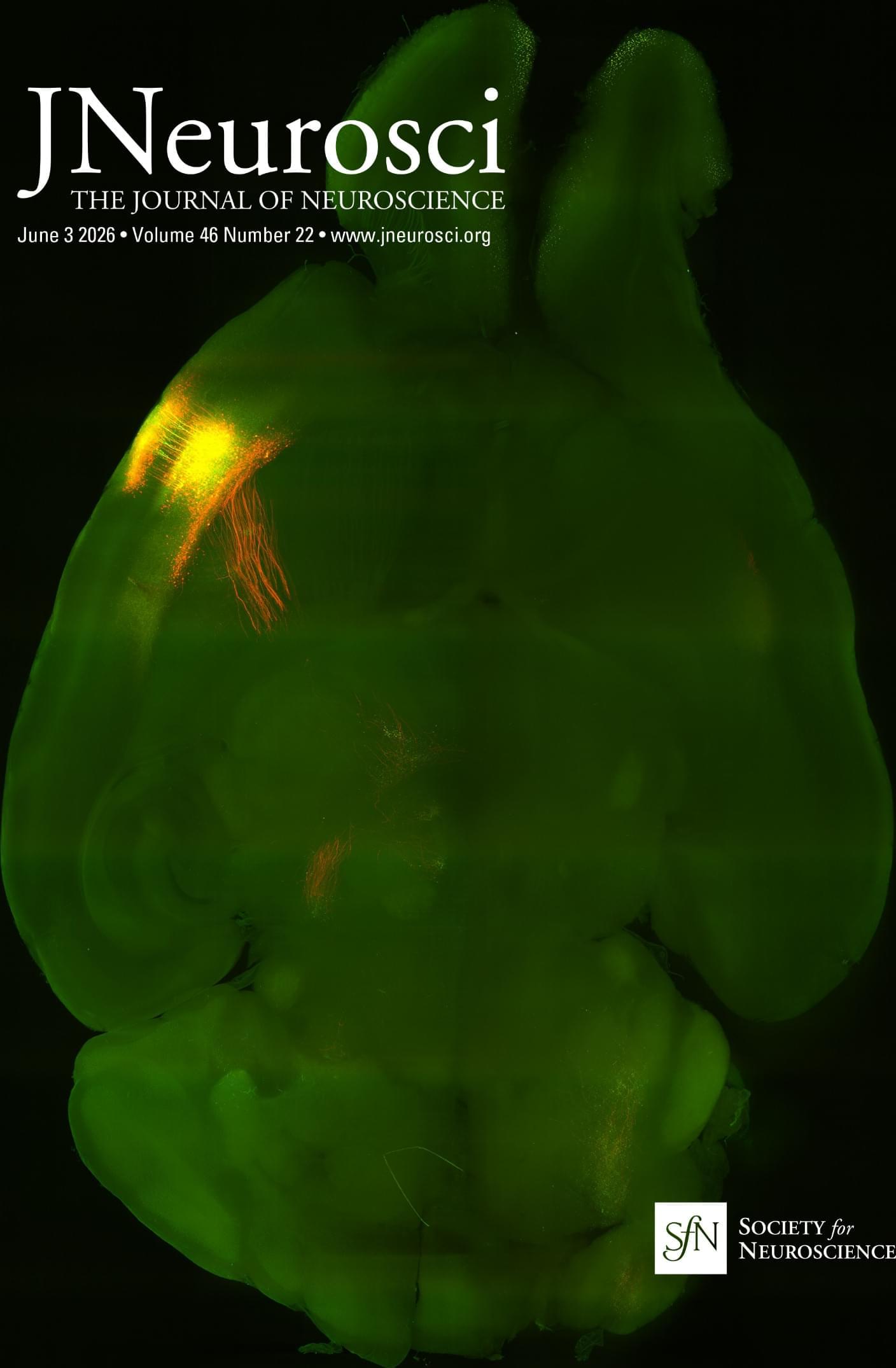
Sensory processing assigns salience to environmental and internal stimuli, shaping behavior through learned associations. In alcohol use disorder (AUD), sensory cue processing is dysregulated, driving problematic drinking patterns and hyperkatifeia in abstinence. While visual, olfactory, and taste cues are known to influence AUD progression, the neurocircuit mechanisms that regulate sensory information in addiction remain poorly understood. The primary somatosensory cortex (S1) encodes tactile, thermal, proprioceptive, and nociceptive inputs and projects to higher-order regions involved in motor and emotional processing. One such target is the insula, a hub for interoceptive integration and affective regulation. We previously identified that insula neurons receiving S1 projections in turn extend into the extended amygdala, implicating this projection in emotional processing.