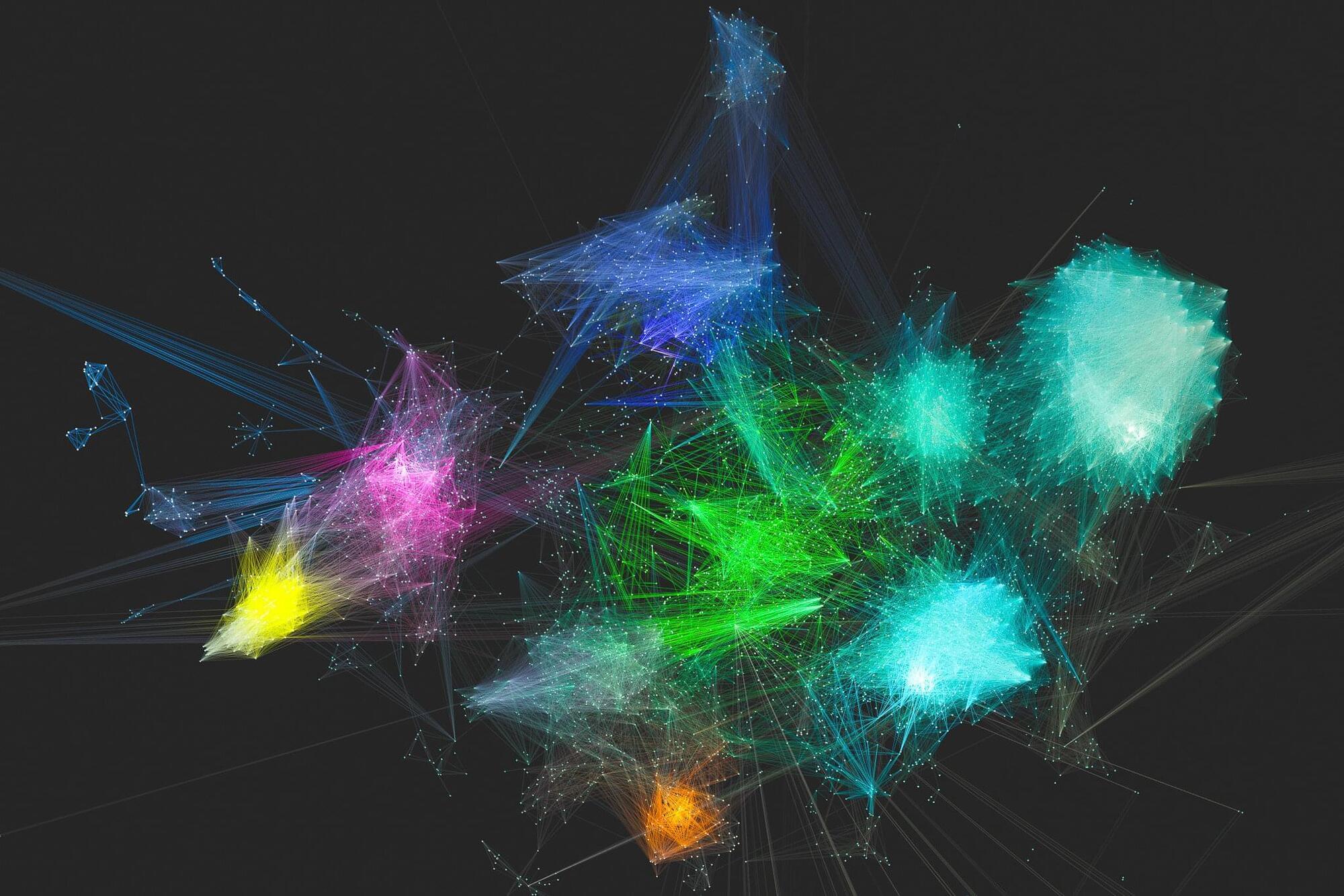
From the air we breathe to the food we eat, we are constantly exposed to thousands of chemicals—yet how these exposures affect our health has remained surprisingly difficult to understand. A new study led by researchers at the CeMM Research Center for Molecular Medicine of the Austrian Academy of Sciences and the Ludwig Boltzmann Institute for Network Medicine at the University of Vienna, published in Nature Communications, offers a unifying view: Diverse substances can disrupt the same biological systems and thereby contribute to disease risk in predictable ways.
Environmental pollution is estimated to contribute to around one in six deaths worldwide, but scientists have long struggled to connect specific exposures to specific diseases. One reason is the sheer complexity of the “exposome” —the totality of all environmental influences a person encounters over a lifetime. Traditionally, chemicals have been grouped by their structure or origin, but this says little about what they actually do inside the body. Two nearly identical molecules can have completely different effects, while entirely unrelated substances may trigger the same illness. This has made it difficult to move from observation to understanding.
A new study, led by Jörg Menche, CeMM adjunct PI and director of the Ludwig Boltzmann Institute for Network Medicine, and first authored by former Ph.D. student at CeMM and LBI NetMed (now a postdoc at Harvard Medical School) Salvo Danilo Lombardo, takes a different route: Instead of asking what chemicals look like, the researchers asked what they do. They compiled nearly 10,000 environmental exposures, ranging from pollutants and food components to medications, and mapped how each affects human genes. The result is a large-scale network that links exposures based on shared biological effects.