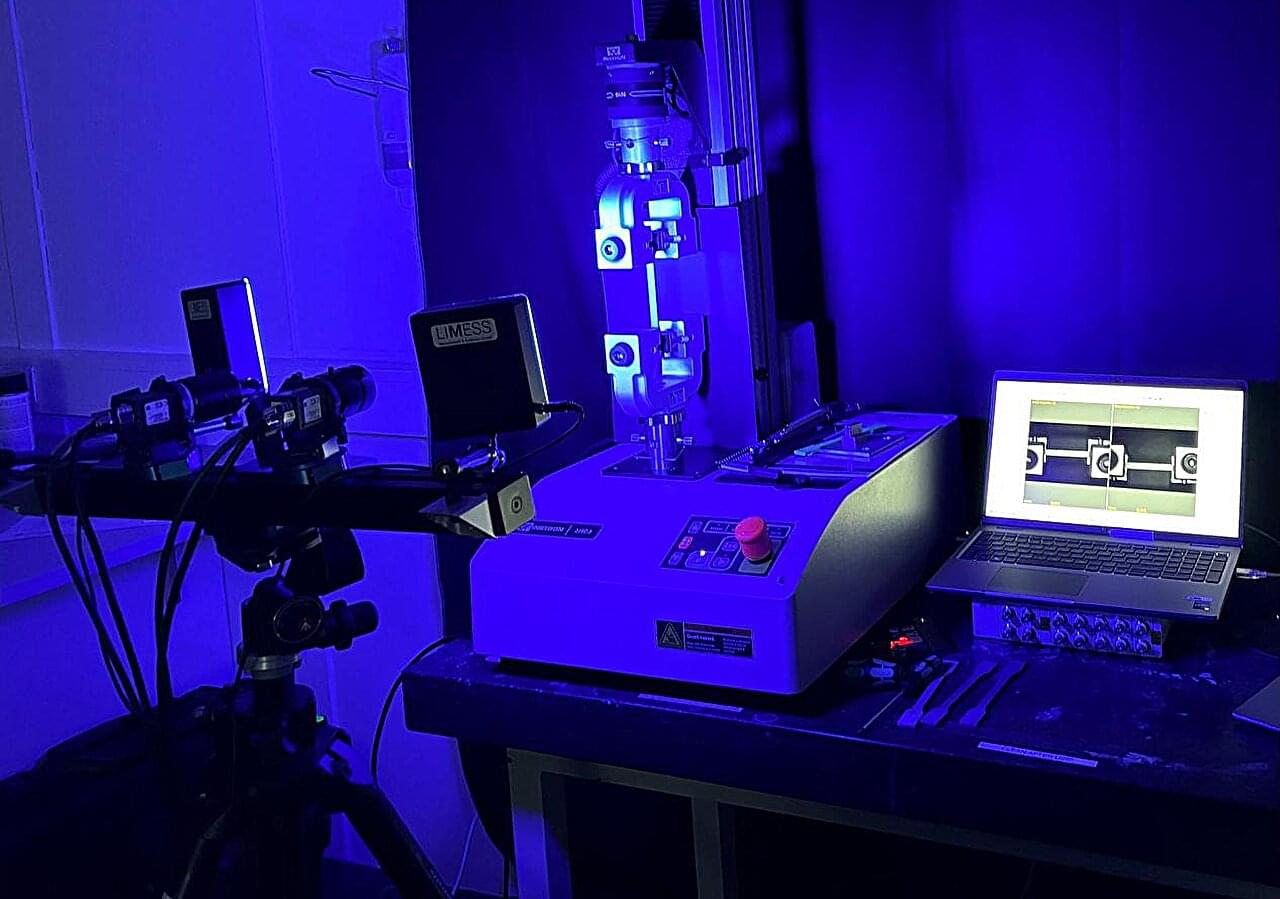
Additive manufacturing, such as 3D printing, provides an excellent opportunity to design metamaterials: materials with an engineered structure that leads to desired properties such as, for instance, resistance to vibrations. However, a major challenge was that the predicted metamaterial response often failed to match real-world behavior.
Researchers at the University of Groningen have now shown that the unexpected behavior of 3D-printed metamaterial structures is not due to structural defects, as was commonly believed, but that the material simply needs to be properly characterized to obtain models with high predictive accuracy. The results were published in Materials Horizons on June 3, 2026.