In the neonatal intensive care unit, the most fragile patients in medicine are often the most heavily wired. Premature babies, some weighing less than a pound, can be tethered to a tangle of cables, monitors and sensors. Each blood draw to check sugar levels or electrolytes means another needle, another bandage, another moment of stress for an infant whose skin is still forming.
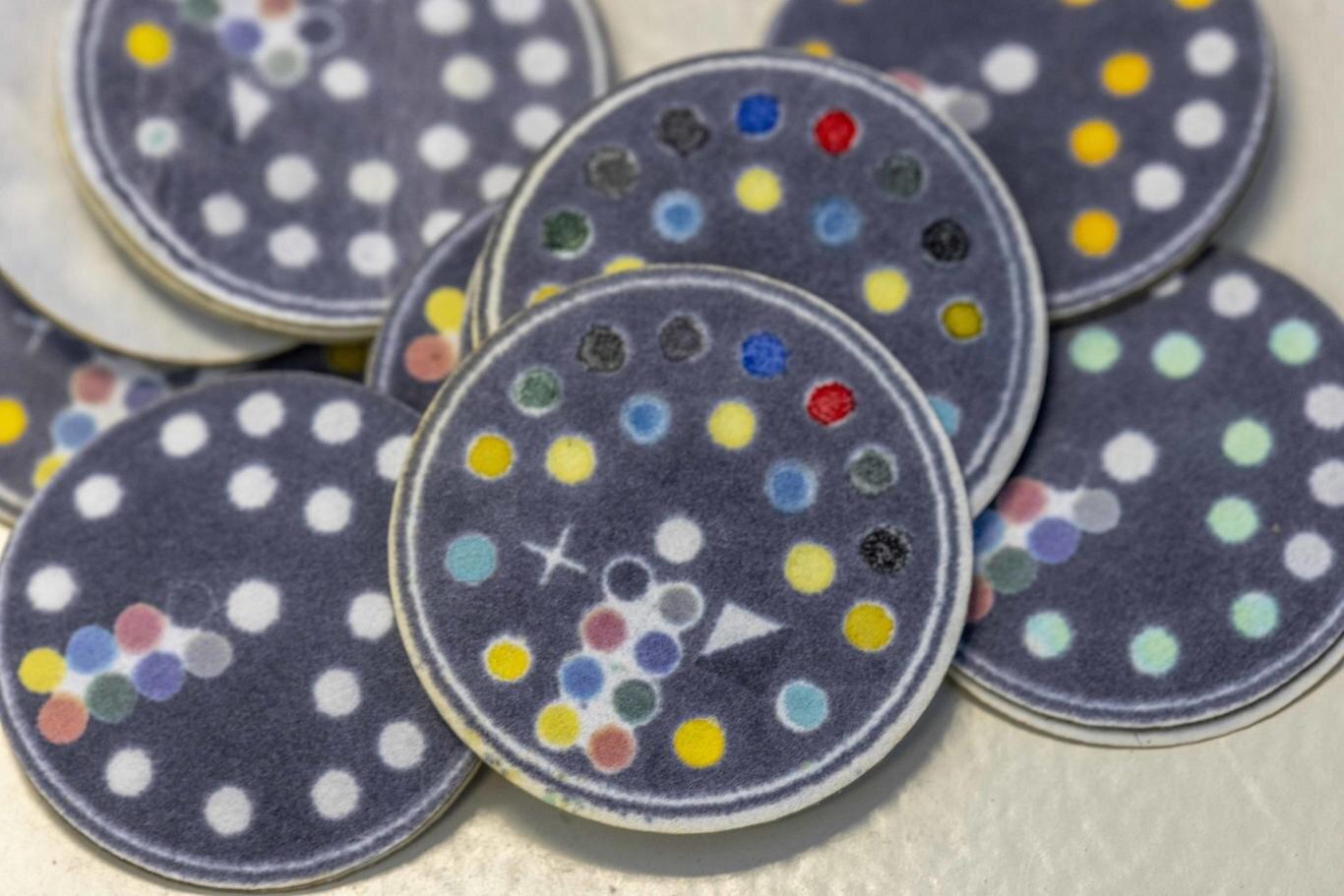
A team of researchers from Tufts University’s Silklab, Helmholtz Munich, Ludwig Maximilian University (LMU) Munich and the Technical University of Munich have developed a radically gentler alternative: a featherlight, silk-based sticker, smaller than a coin, that quietly reads four critical health signals at once just by changing color.
The work, published in ACS Sensors, describes a wearable patch that captures temperature, pH, sodium and glucose from the wisps of fluid that pass naturally through a baby’s still-developing skin. An AI system reads the patch’s color shifts through any standard camera, even in the dim, humid, hard-to-photograph environment of an incubator, and translates them into precise numbers a clinician can act on.