An irregular heartbeat, or arrhythmia, leads to inefficient pumping of blood by the heart, which then prevents blood and oxygen from getting to the body’s other organs. When blood and oxygen flow poorly to the brain, the risk of stroke and cognitive decline increases.
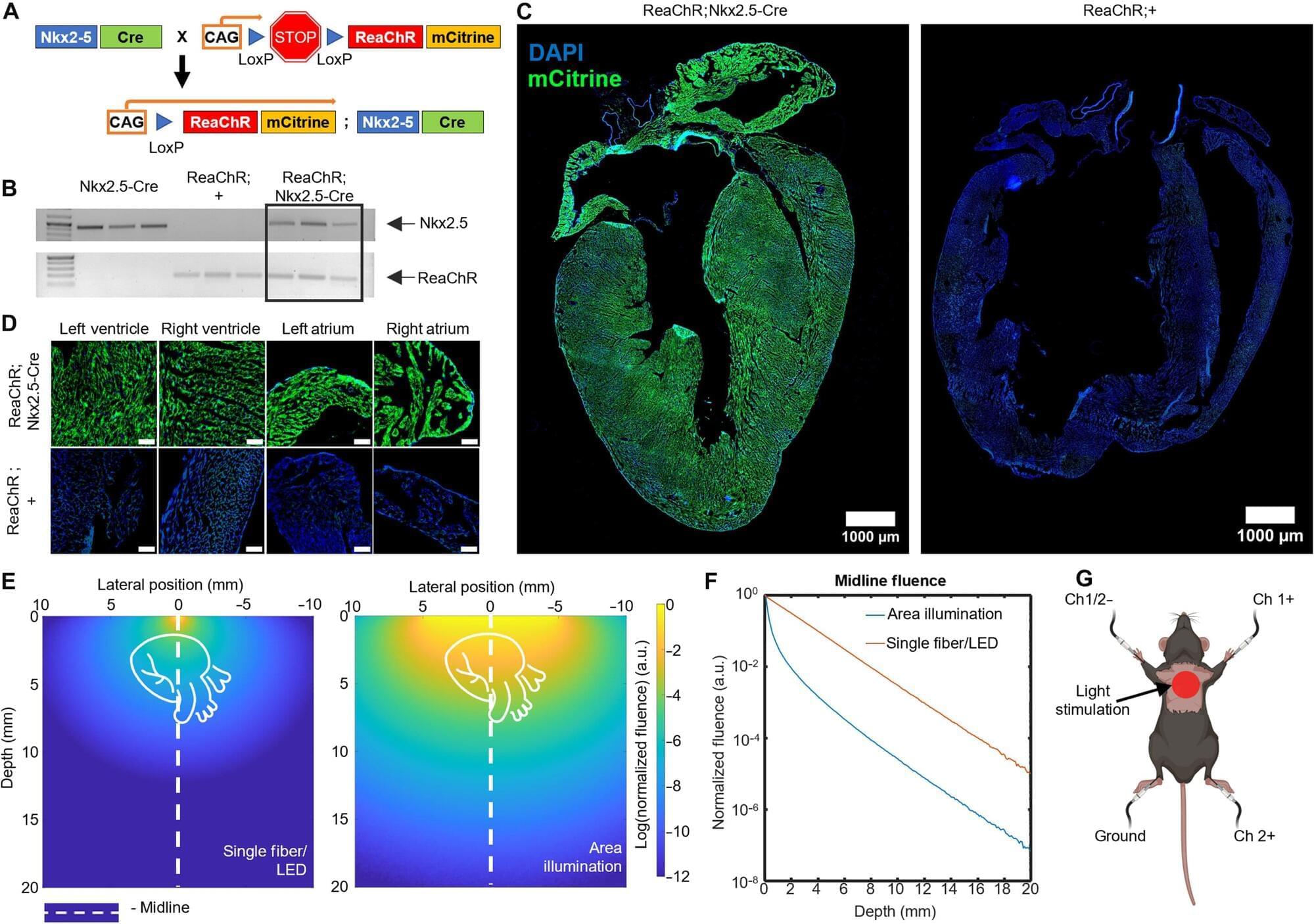
A team of researchers based at Washington University in St. Louis used cardiac optogenetics to noninvasively study arrhythmia and its impact on the brain. Using highly sensitive imaging in a mouse model, they found that arrhythmia in a mouse heart alters oxygen concentration in the brain during and after arrhythmia.
Results of the research are published in Science Advances.