“Peacemaker” immune cells could help treat diseases ranging from type 1 diabetes to neurodegeneration by restoring immune tolerance, according to a new paper in Frontiers in Science.
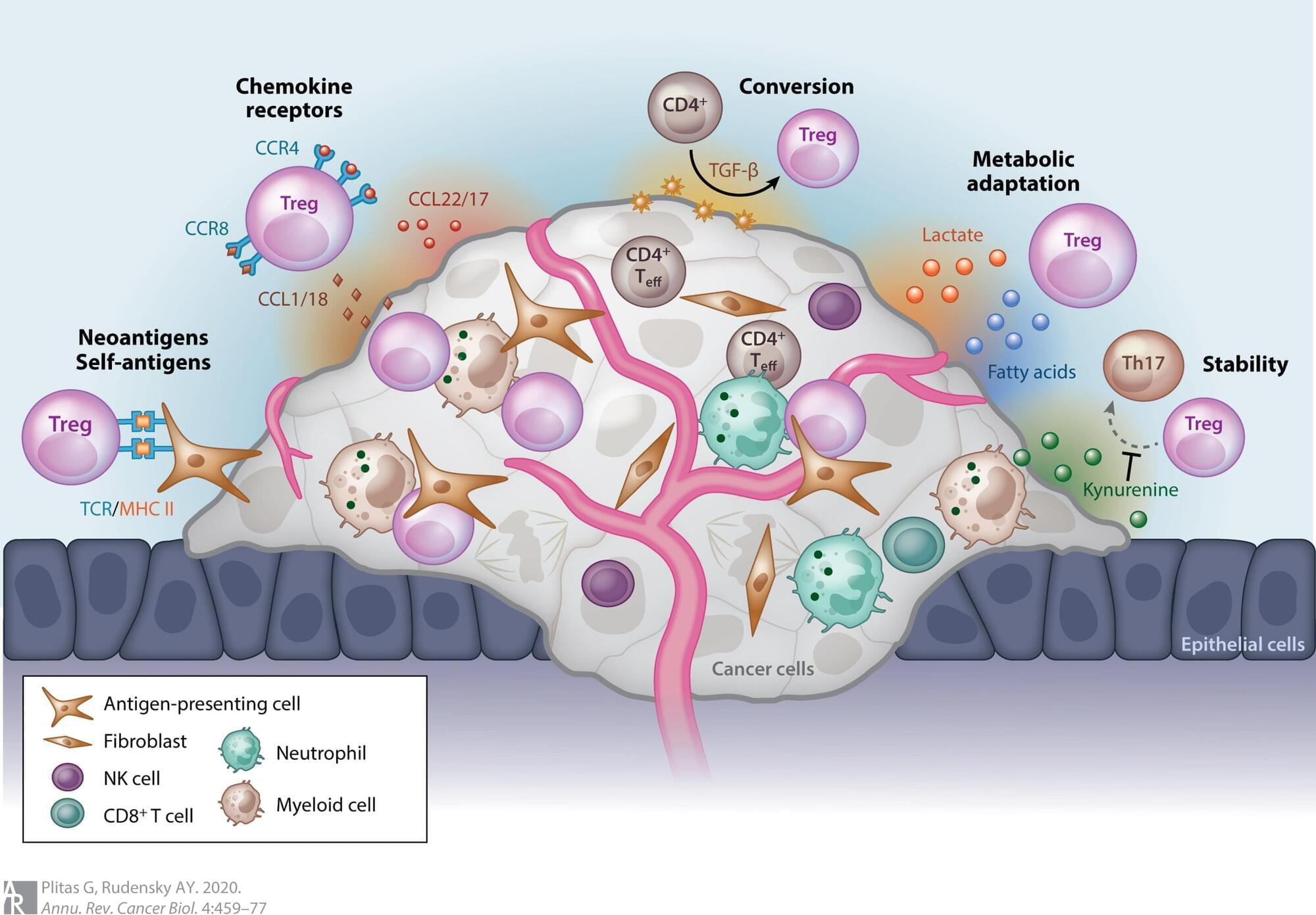
From cancer, diabetes and chronic infections to cardiovascular, neurodegenerative and reproductive conditions, inflammation is increasingly cited as a driver of a broad range of diseases. Immune cells called regulatory T cells (Tregs)—originally defined as “suppressor” cells that stop other immune cells from attacking the body—are being explored as “living drugs” that could eventually be adapted to target many diseases with an inflammatory component.
Such an approach, which aims to tailor Treg therapies to specific diseases and tissues, could support more precise control of immune responses. In autoimmune diseases and transplant rejection, Tregs could even help shift treatment from broad immunosuppression, which brings myriad risks, toward restored immune tolerance and longer-term disease control.