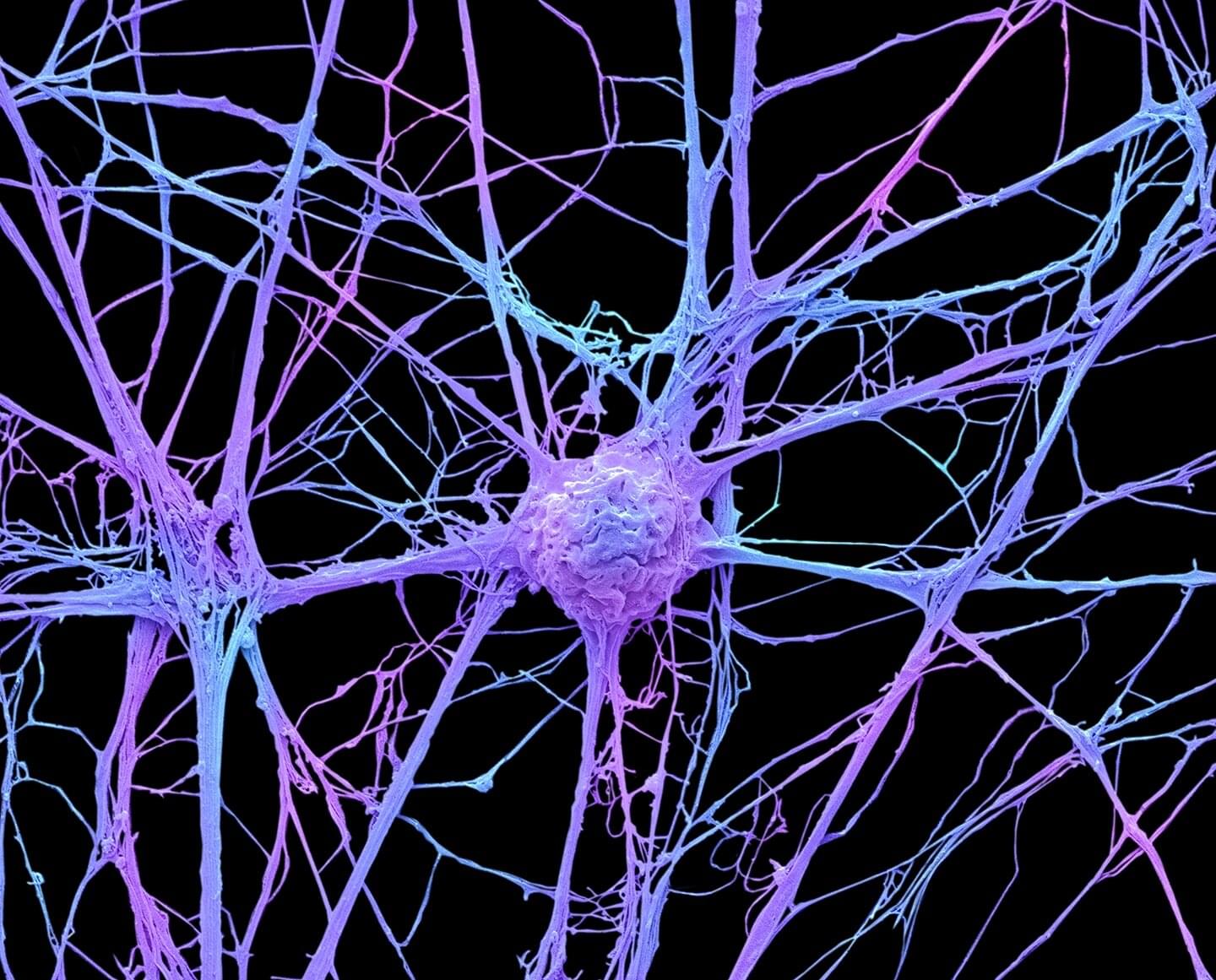
Neurons, specialized cells that transmit information across the nervous system, communicate with each other via projections known as axons. These microscopic, cable-like structures are also used to deliver proteins, signaling molecules and other cargo across different areas of the brain.
Past studies have found that this transfer of cargo, also known as axonal transport, is impaired in models of diseases known as tauopathies. Tauopathies include Alzheimer’s disease (AD), frontotemporal dementia and other neurodegenerative diseases associated with the pathological accumulation of a protein called tau inside neurons, which forms structures known as tau tangles.
Researchers at the UK Dementia Research Institute at University College London (UK DRI, UCL) and the UCL Queen Square Institute of Neurology recently carried out a study in mice aimed at investigating the link between tauopathies and axonal transport. Their findings, published in Nature Neuroscience, show that axonal transport defects prompted by the aggregation of pathological tau could be reversible, identifying a possible strategy for reversing this damage during the early stages of neurodegeneration.