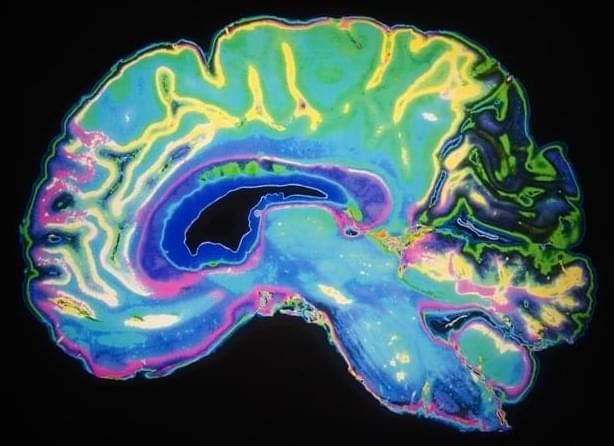
Newborn nerve cells must squeeze through crowded, narrow spaces-through dense tissue, past other cells, between fibers-to reach the areas where they form neural circuits in the brain cortex.
In a new study published in Nature, researchers at Kyoto University’s Institute for Integrated Cell-Material Sciences (WPI-iCeMS) and their collaborators report that this journey causes widespread DNA damage in neurons, resulting in double-strand breaks where both strands of the double helix are completely severed. While this is the most severe type of DNA damage-capable of causing mutations and cell death-the team surprisingly found that it is a normal, routine feature of brain cortex formation, and a healthy brain quickly repairs it before harm occurs.
“The developing brain appears to have evolved to tolerate and repair the neuronal damage efficiently,” says Professor Mineko Kengaku, of WPI-iCeMS, who led the study. “But understanding the limits of that tolerance-and what happens when repair is incomplete-brings us closer to understanding a range of neurological conditions.”