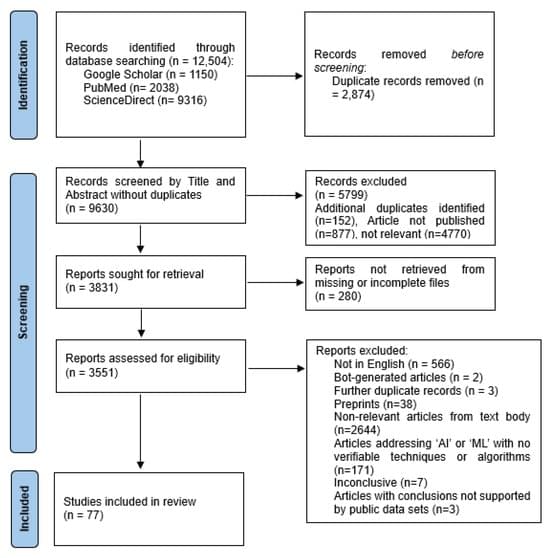
Advances in high-throughput technologies, digital phenotyping, and increased accessibility of publicly available datasets offer opportunities for big data to be applied in infectious disease surveillance, diagnosis, treatment, and outcome prediction. Artificial intelligence (AI) and machine learning (ML) have emerged as promising tools to analyze complex clinical and molecular data. However, it remains unclear which AI or ML models are most suitable for infectious disease management, as most existing studies use non-scoping literature reviews to recommend AI and ML models for data analysis. This scoping literature review thus examines the ML models and applications that are most relevant for infectious disease management, with a proposed actionable workflow for implementing ML models in clinical practice.