A new study published in the peer-reviewed journal Surface Topography: Metrology and Properties introduces a pioneering, noninvasive technique that can distinguish authentic artworks from forgeries, offering museums, collectors, and auction houses a major advantage in tackling art fraud.
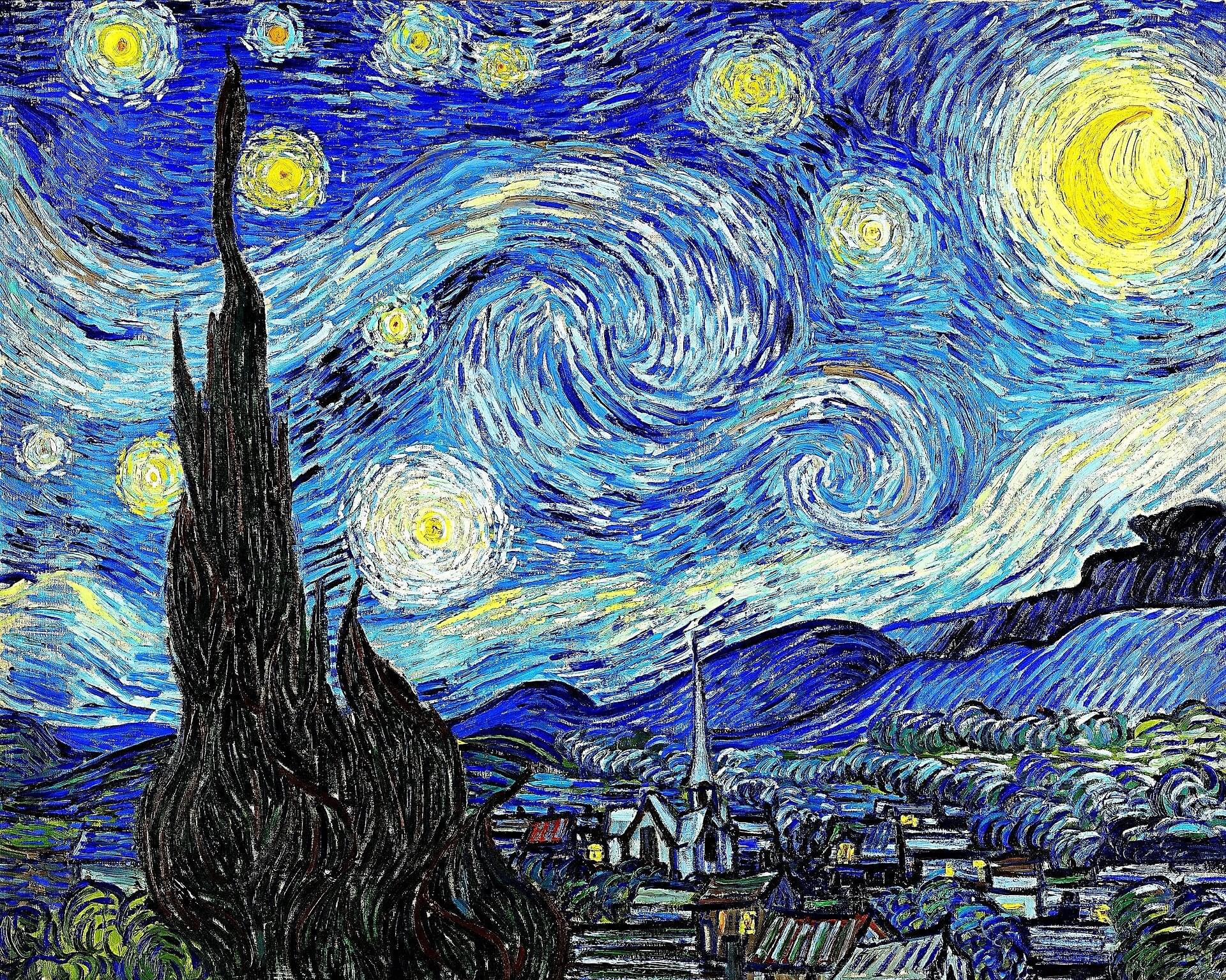
The study, developed at the Université Polytechnique Hauts-de-France, introduces a method that analyzes the microscopic “texture” of a painting by converting high-resolution images into 3D-like maps, allowing researchers to measure how rough or detailed the surface is using fractal dimensions. This measurement captures subtle patterns created by an artist’s brushwork—patterns so consistent that they act like a morphological signature unique to that artist.
Using works attributed to Vincent van Gogh, the researchers showed that the method can reliably distinguish between authentic paintings and known forgeries. In tests, the well-documented fake “The Plowmen” was identified as a strong outlier, while the recently authenticated “Sunset at Montmajour” aligned closely with Van Gogh’s known works.