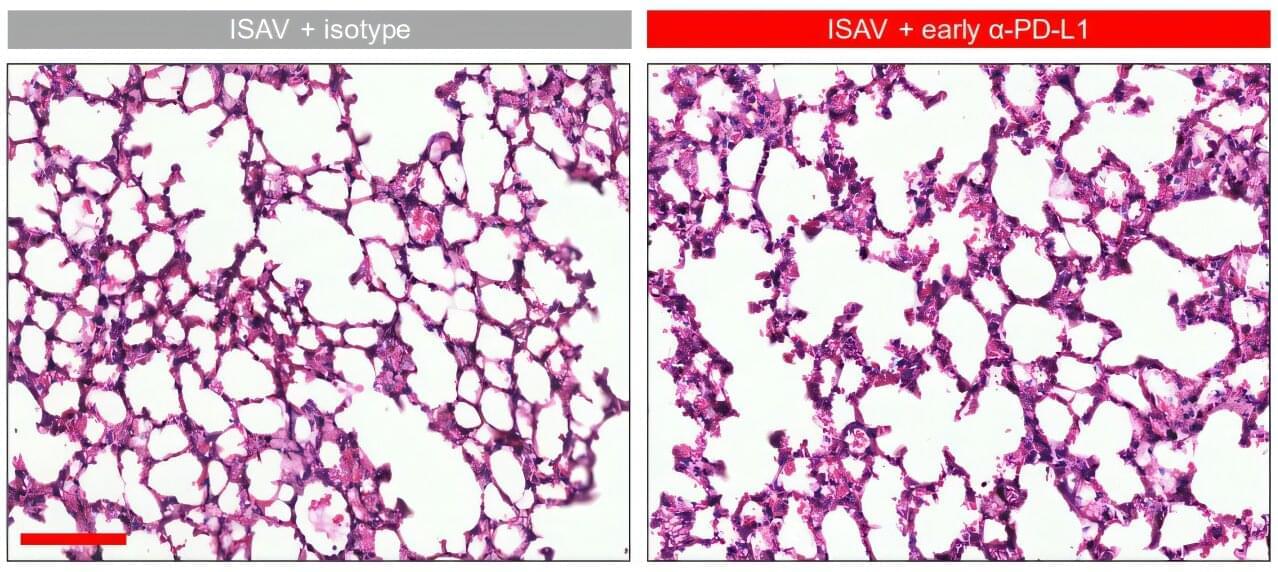
A new study led by researchers at The University of Texas MD Anderson Cancer Center has shown that early administration of immunotherapy with standard antifungal treatment improved outcomes and largely alleviated immune system paralysis caused by fungal lung infections in preclinical models. These findings could herald new clinically relevant strategies for treating a variety of life-threatening invasive fungal pneumonias, which disproportionately affect immunocompromised cancer patients.
The study, published in the Proceedings of the National Academy of Sciences, was led by Sebastian Wurster, M.D., assistant professor, and Dimitrios P. Kontoyiannis, M.D., Ph.D., professor, both of Infectious Diseases, Infection Control and Employee Health.
“Despite an expanded arsenal of antifungal treatments, immune system dysfunction is still a major cause of failure when treating infections, with significantly high morbidity and mortality rates associated with pneumonias caused by opportunistic molds. There is an urgent need for adjunct immune-enhancing therapies to improve outcomes,” Kontoyiannis said. “Our research shows that adding an immune checkpoint inhibitor to antifungal treatments is helpful in experimental mold pneumonias, especially when given early.”