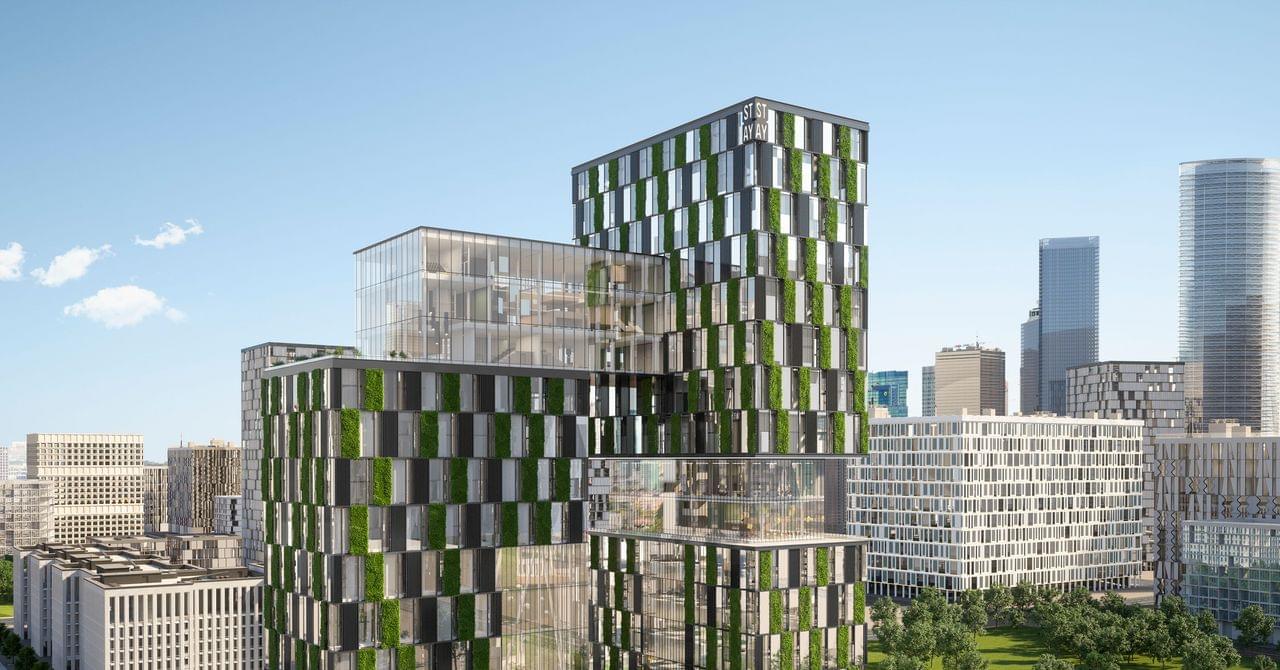
Buildings account for 30–40 percent of global energy expenditure and more than half of global electricity consumption. But the most advanced smart buildings—those with full automation, AI controls, and on-site generation—can achieve energy reductions of 50–70 percent. Scaled across the built environment, that translates to 60–110 exajoules of energy saved per year—that’s more than the entire current energy consumption of the United States, or the total output of all the world’s nuclear power plants combined.
Transforming the buildings we already live and work in to become a part of the system itself that generates, stores, and manages energy efficiently could be the blueprint for the future of energy use, creation, and management.