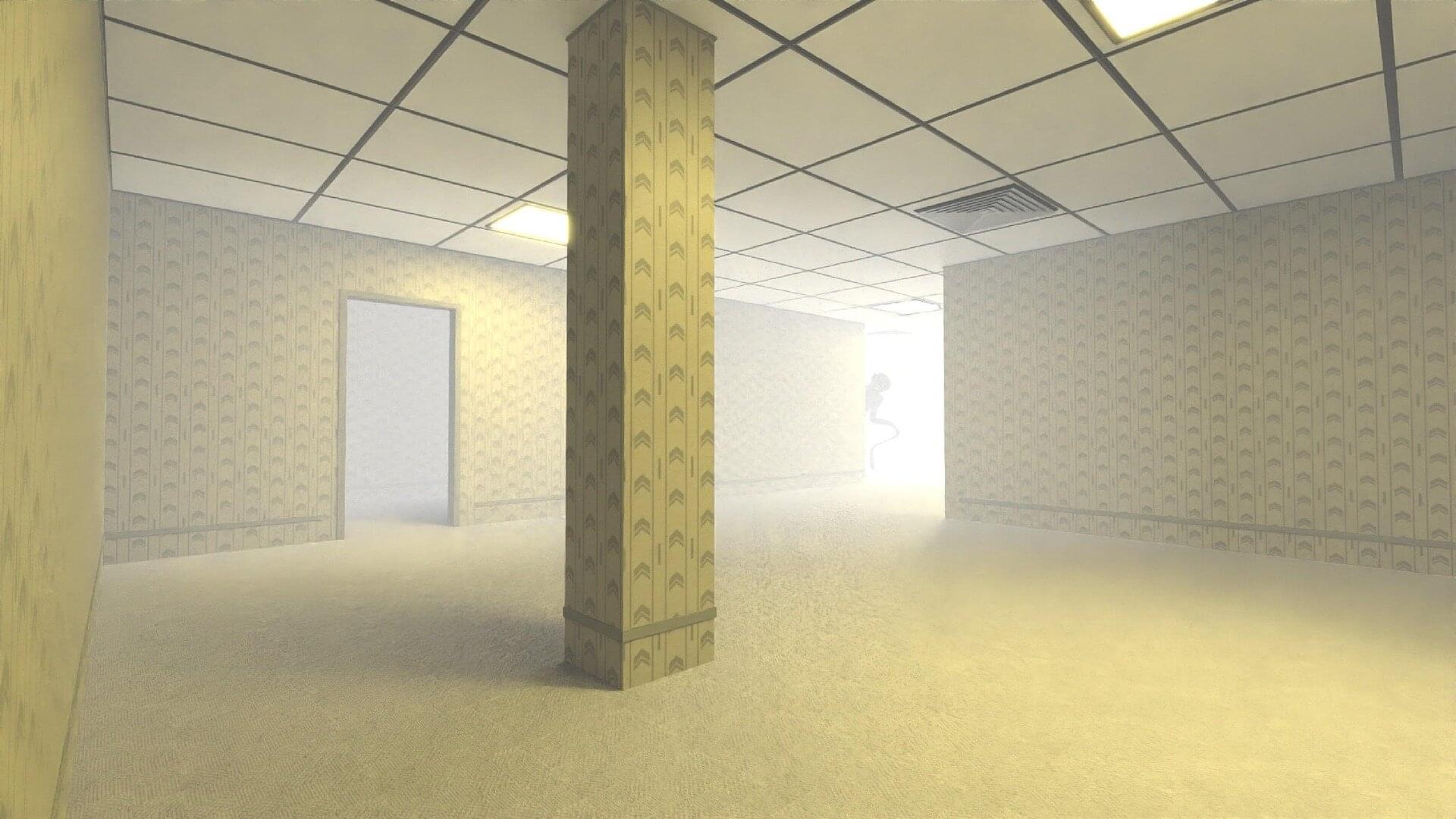
Digital culture is reshaping people’s experiences of fear, curiosity and belonging, according to new findings from Lancaster University. Researchers have explored why online environments like the “Backrooms”—mysterious empty spaces resembling uncharted office blocks, basements and corridors—have become so compelling, and why people are choosing to get lost in spaces that don’t exist.
Unlike traditional “dark tourism,” which focuses on physical sites and historical events, the “Backrooms” represent a new kind of experience that exists entirely online. They emerge from, and circulate through, the darker corners of the internet that are less visible, less regulated, and often more experimental in tone.
The research, co-authored by Dr. Sophie James and Professor James Cronin from Lancaster University Management School (LUMS), explains how, in these online spaces, people are not traveling to real locations, but entering shared digital environments that feel immersive, unsettling, and just out of reach.