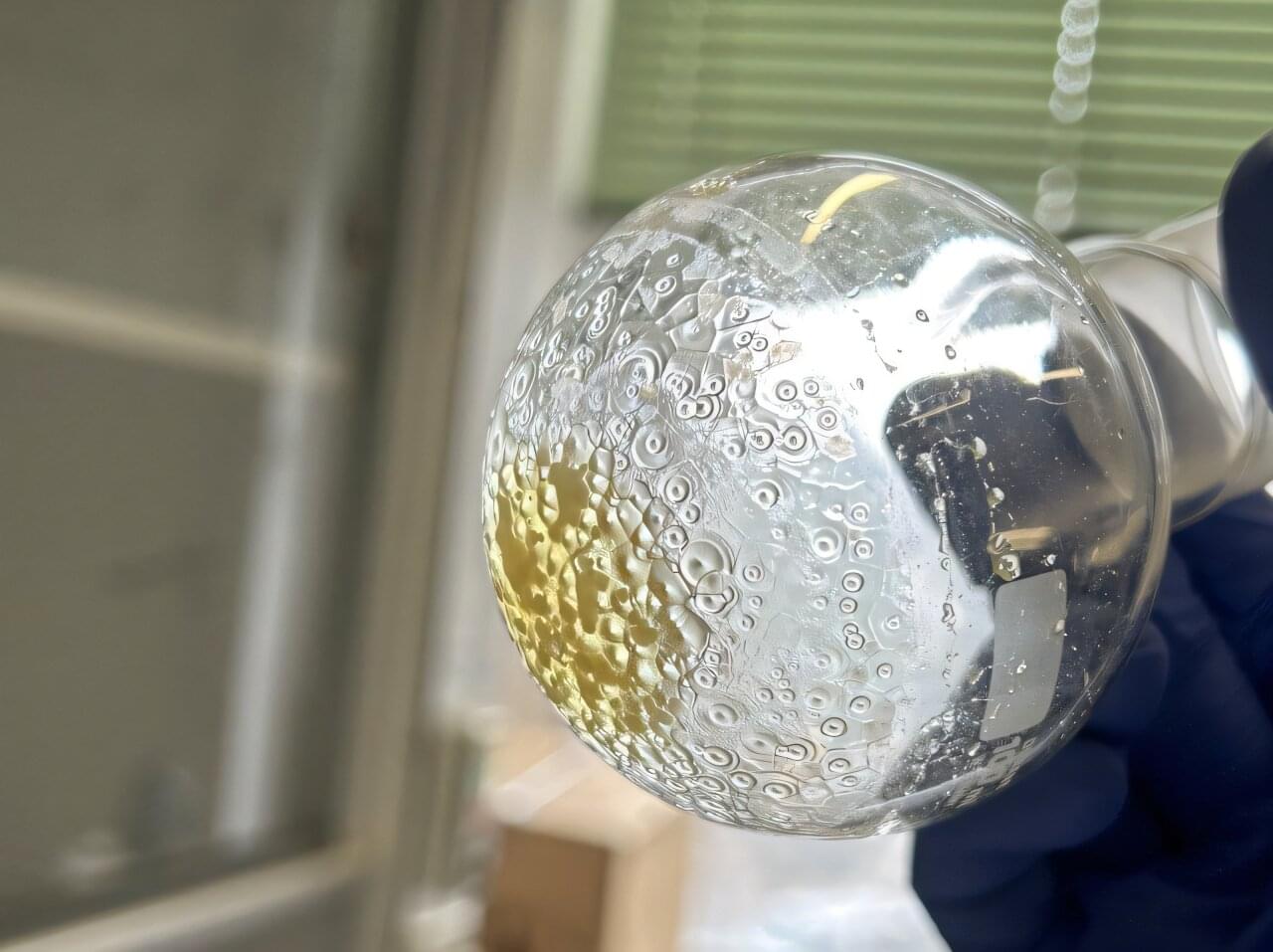
A team at the University of Vienna, led by chemist Nuno Maulide, has developed a new method for controlling chemical reactions in a more targeted and efficient manner. At the heart of this is the concept of “cation sampling”: specially selected groups (ketones), in a sense, function as molecular signposts for randomly migrating positive charges, enabling reactions to take place at sites on a molecule that were previously difficult to access. The method allows carbon-hydrogen bonds (C–H bonds) to be specifically modified. The study was published in the Journal of the American Chemical Society.
Organic molecules form the basis of almost all biological processes. They consist mainly of carbon and hydrogen—and hydrogen atoms in particular are very common in such molecules. “If you want to alter the properties of a molecule, you often have to specifically replace individual hydrogen atoms,” explains Philipp Spieß, a former Ph.D. student in the Maulide group and one of the study’s lead authors.
The precise modification of C–H bonds is therefore considered one of the key challenges of modern synthetic chemistry. It plays an important role in the development of new drugs, functional materials and more efficient chemical processes.