But over evolutionary time, mammals have obviously lost the vast majority of this regenerative capacity. Instead, evolution opted for faster wound sealing, stronger immune responses and more stable neural systems in mammals. This is likely because surviving injury would have mattered more than perfectly reconstructing tissue months later.
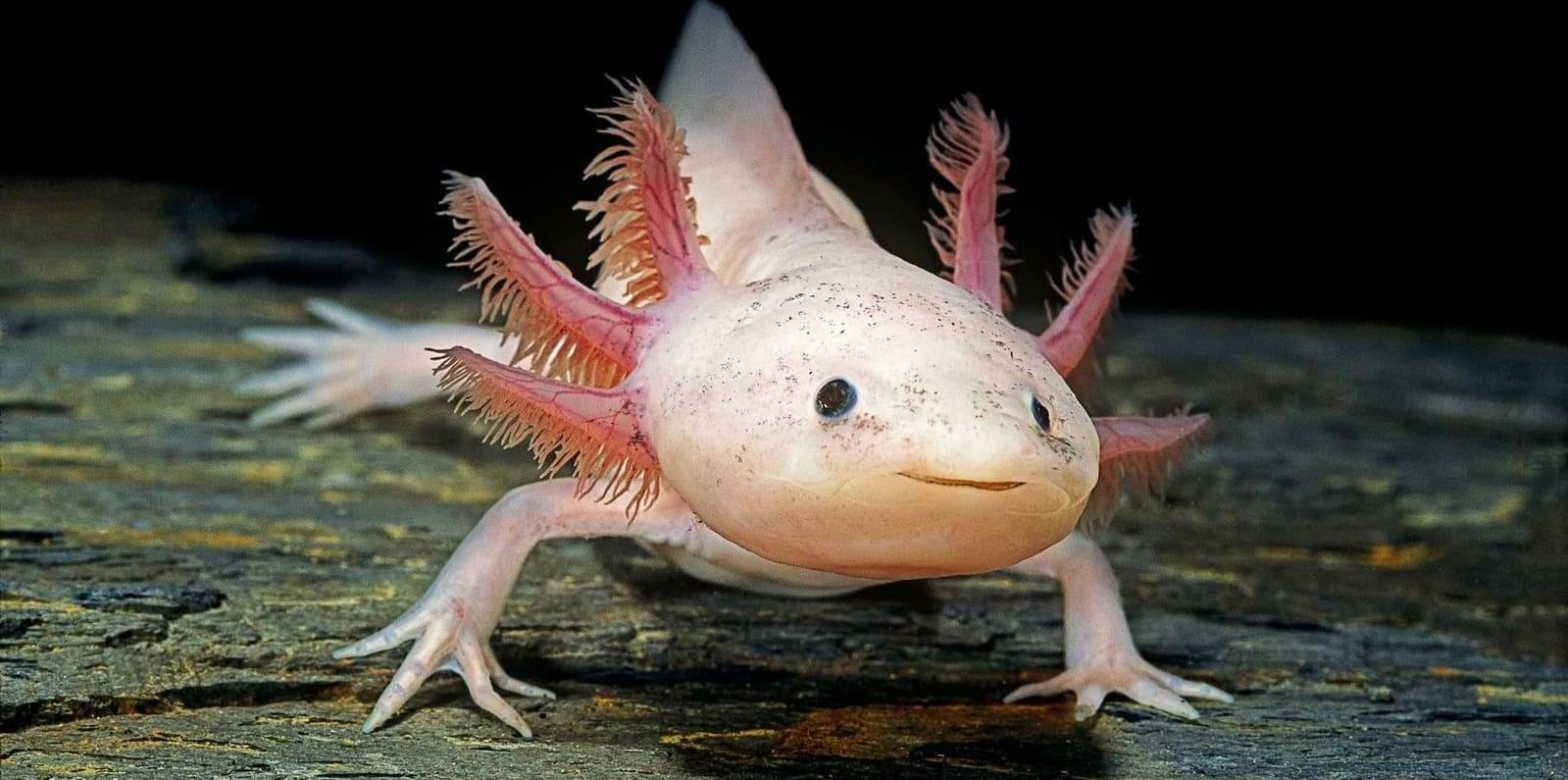
Salamanders, on the other hand, have retained far more of this ancestral regenerative toolkit. Their ecology may have reinforced this retention, since small amphibians are especially vulnerable to predation and environmental injury. Limbs, tails and nervous tissue can be damaged surprisingly easily in aquatic habitats filled with predators, debris, and competition. For an animal living close to the edge of survival, the ability to recover from catastrophic injury could dramatically improve reproductive success.
The axolotl’s strange life history has most probably also enabled this unique ability. Unlike many amphibians, axolotls remain in a juvenile-like aquatic state throughout adulthood, a phenomenon known as “neoteny.” Intriguingly, juvenile tissues in many vertebrates tend to be more regenerative than adult tissues. Thus, by retaining aspects of its developmental state for life, the axolotl may preserve cellular programs that would otherwise be “switched off” after maturation.