The textile industry produces a substantial portion of the world’s waste, with only about 12% of fiber materials ending up in recycling. Textiles also account for much of the microplastics in oceans. During every wash cycle, synthetic fibers shed microplastics that are flushed down the drain and eventually enter aquatic environments. Increasing textile recycling alone won’t solve this problem because most petrochemical-based fibers are difficult to recycle and continue to release persistent microplastics throughout their life cycle.
Engineers from Washington University in St. Louis may have a solution, thanks to dedicated synthetic biology work in the lab of Fuzhong Zhang, the Francis F. Ahmann Professor in the Department of Energy, Environmental & Chemical Engineering in the McKelvey School of Engineering and co-director of Synthetic Biology Manufacturing of Advanced Materials Research Center (SMARC).
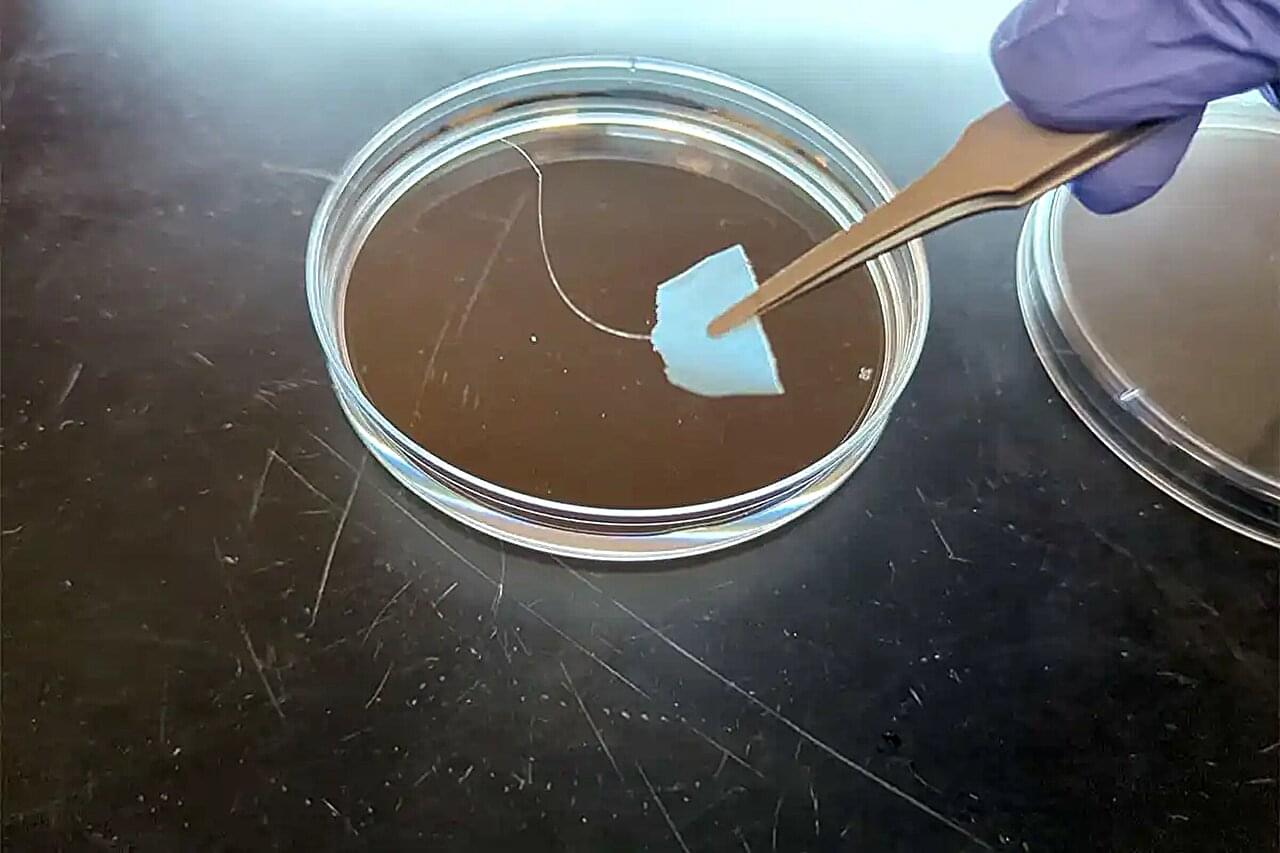
The results of that work, now published in the journal Advanced Materials, created protein-based materials, which are produced in bioreactors (think giant brewing tanks) using genetically engineered microbes. These materials can be readily recycled after use and remade into the same fibers over multiple cycles. In addition, any microparticles, if released from these fibers during washing, would be biodegradable.