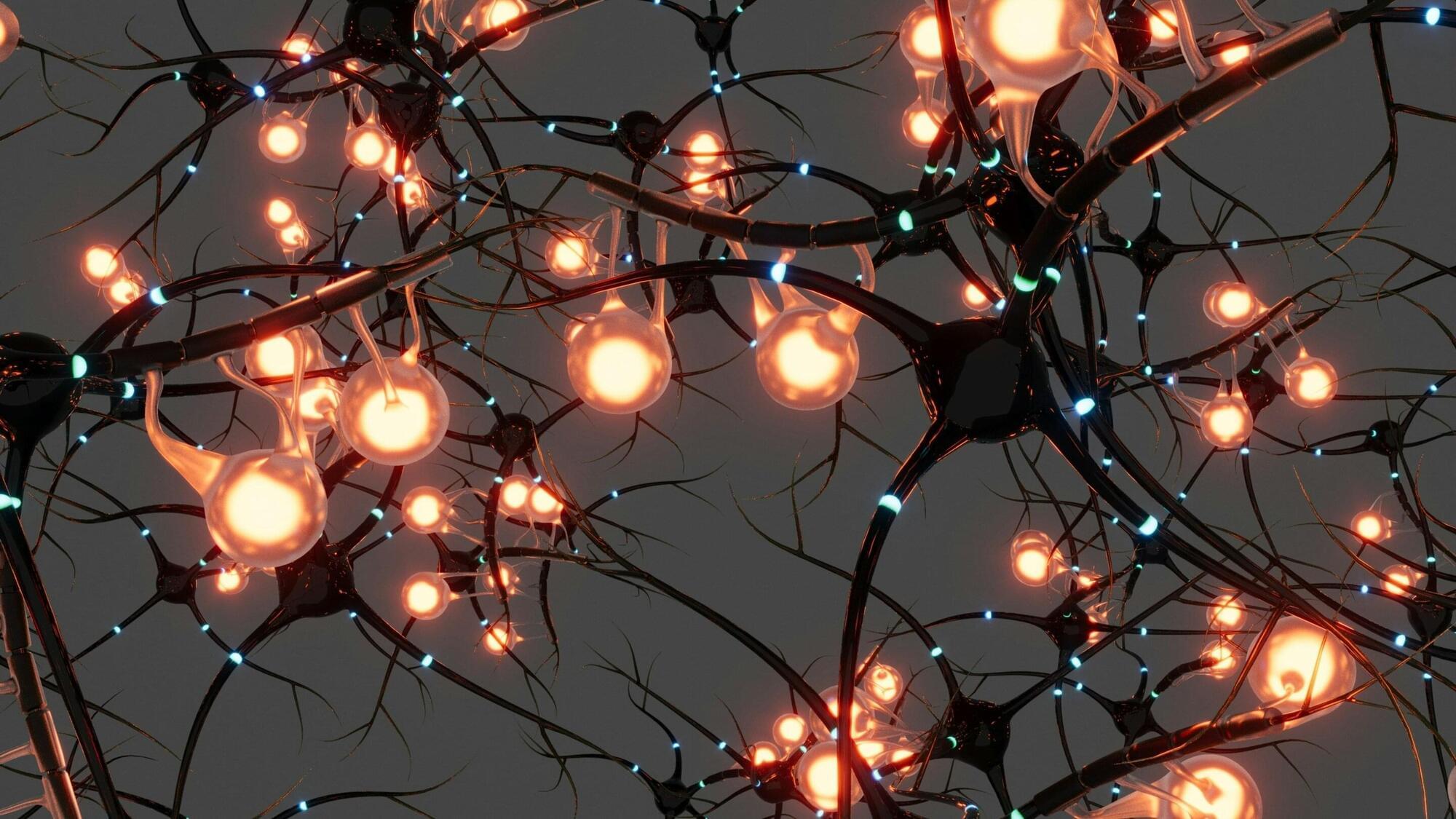
Broken or disrupted circuits in the brain contribute to many neurological disorders. A new custom-built biological “wire” developed at Duke University School of Medicine points the way toward a new treatment approach—bypassing broken brain connections, rather than relying on long-term medication or external stimulation.
Researchers led by Kafui Dzirasa, MD, Ph.D., have developed a technology called LinCx that allows scientists to create new electrical connections between carefully chosen neurons. Unlike existing tools that often influence many cells at once, this approach enables selective, long-lasting changes in how defined brain circuits function. The study is published in Nature.
“By introducing a way to plug in new electrical connections with cellular-level precision, our study marks a major step forward in the ability to edit brain circuitry and understand how neural networks give rise to behavior,” said Dzirasa, the A. Eugene and Marie Washington Presidential Distinguished Professor of Psychiatry & Behavioral Sciences, Behavioral Medicine & Neurosciences.