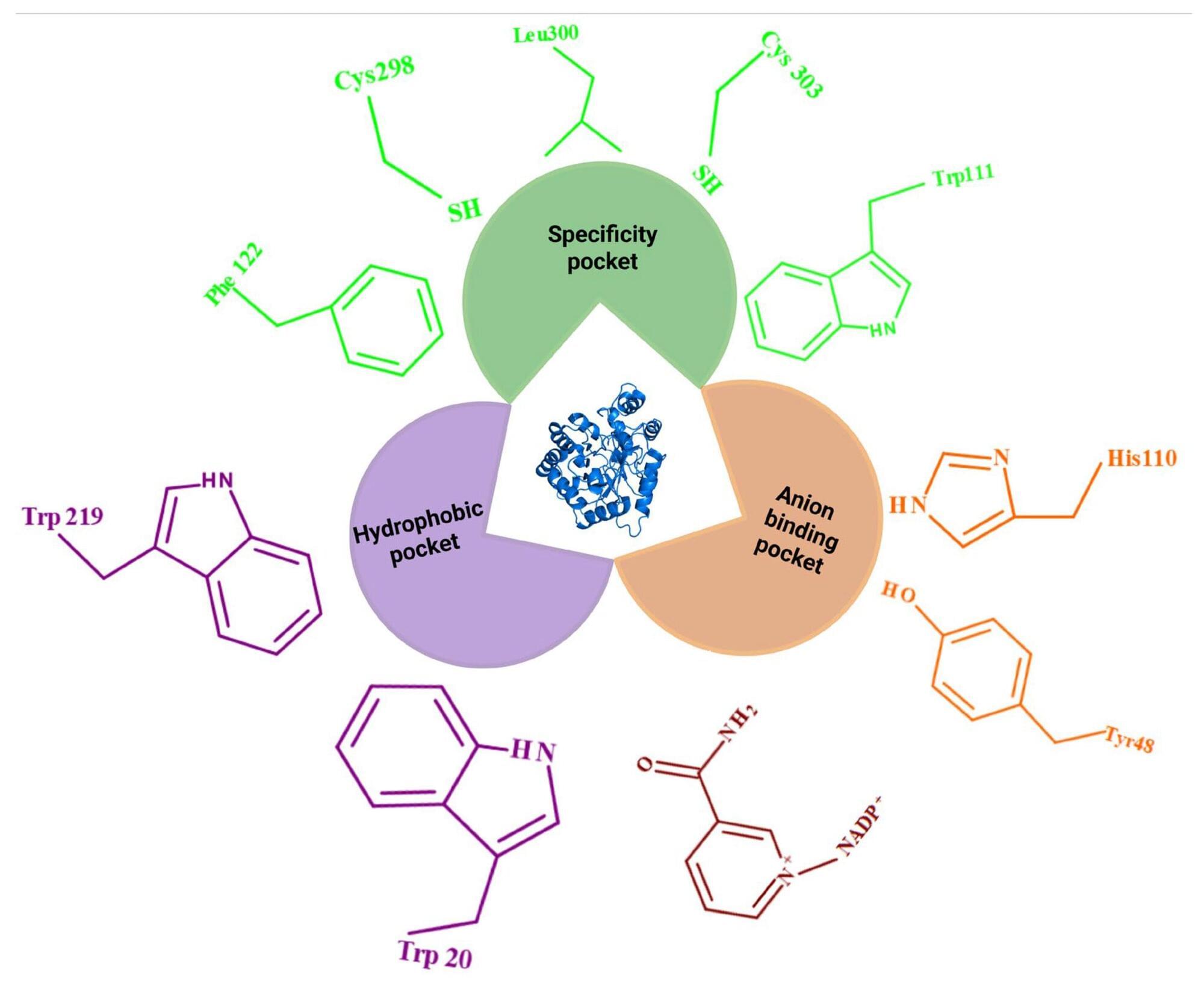
Drug discovery still too often relies on expensive trial and error. Researchers from ICTER show there is another way—building molecules step by step and observing their behavior at atomic resolution. This approach could significantly speed up the development of new therapies while reducing side effects.
The starting point of the study, published in Diabetology by Vineeta Kaushik, Saurav Karmakar, and Humberto Fernandes, is aldose reductase (AR)—an enzyme that has long been at the center of research into diabetic complications. Under conditions of chronic hyperglycemia, the so-called polyol pathway becomes overactive, converting glucose into sorbitol. Its accumulation leads to osmotic stress, redox imbalance, and ultimately cellular damage.
This mechanism is directly linked to complications such as diabetic retinopathy, neuropathy, and nephropathy. Inhibiting aldose reductase, therefore, appears to be an obvious therapeutic strategy. Yet despite decades of research, no drug has successfully combined strong efficacy with a favorable safety profile.