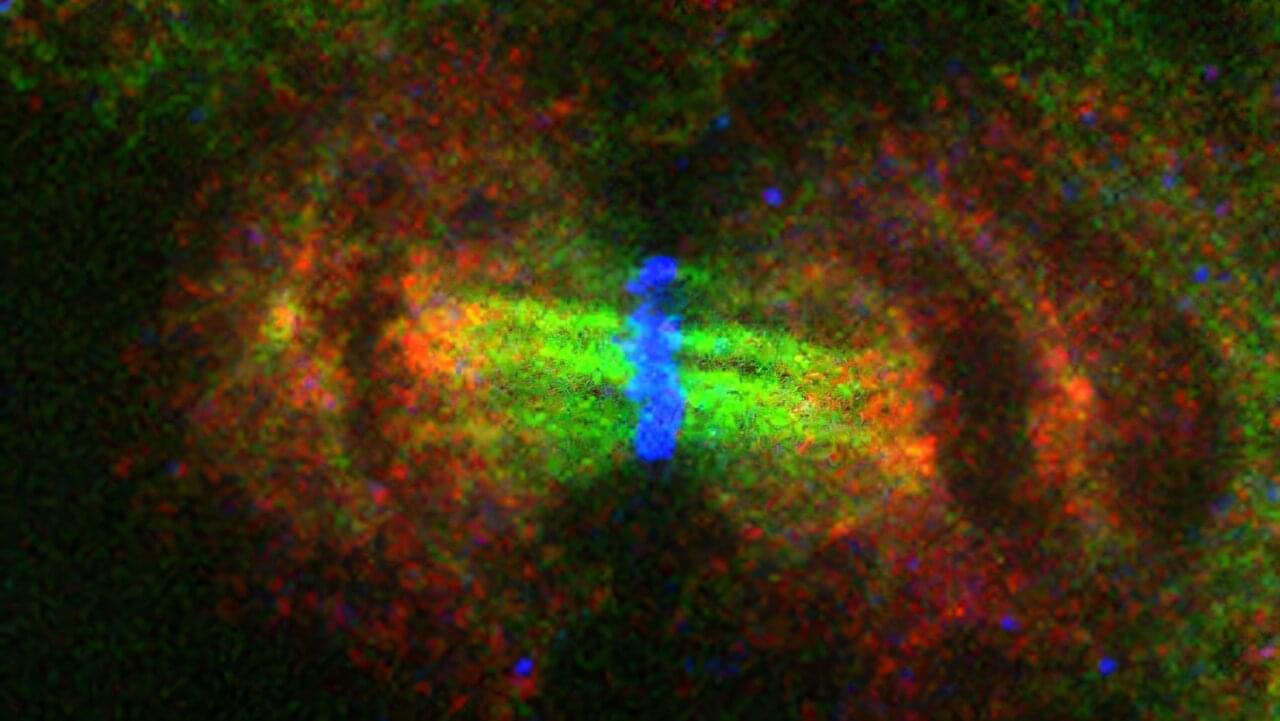
Cell division is one of the most fundamental and complex processes underpinning life. In human cells, thousands of molecules coordinate with one another in highly precise steps, all within a fraction of a second. But things don’t always go as planned.
Before a cell divides into two, it must first copy its DNA, so that each new cell receives a complete set. Occasionally, what can happen is, a cell successfully copies its DNA but then fails to split into two. When this happens, the cell is left with two copies of its DNA—a condition known as whole genome duplication (WGD).
One way to picture this is to imagine photocopying a document. Normally, you would make two copies and place one in each folder. In whole genome duplication, the copies are made but not separated, leaving one folder with both copies.