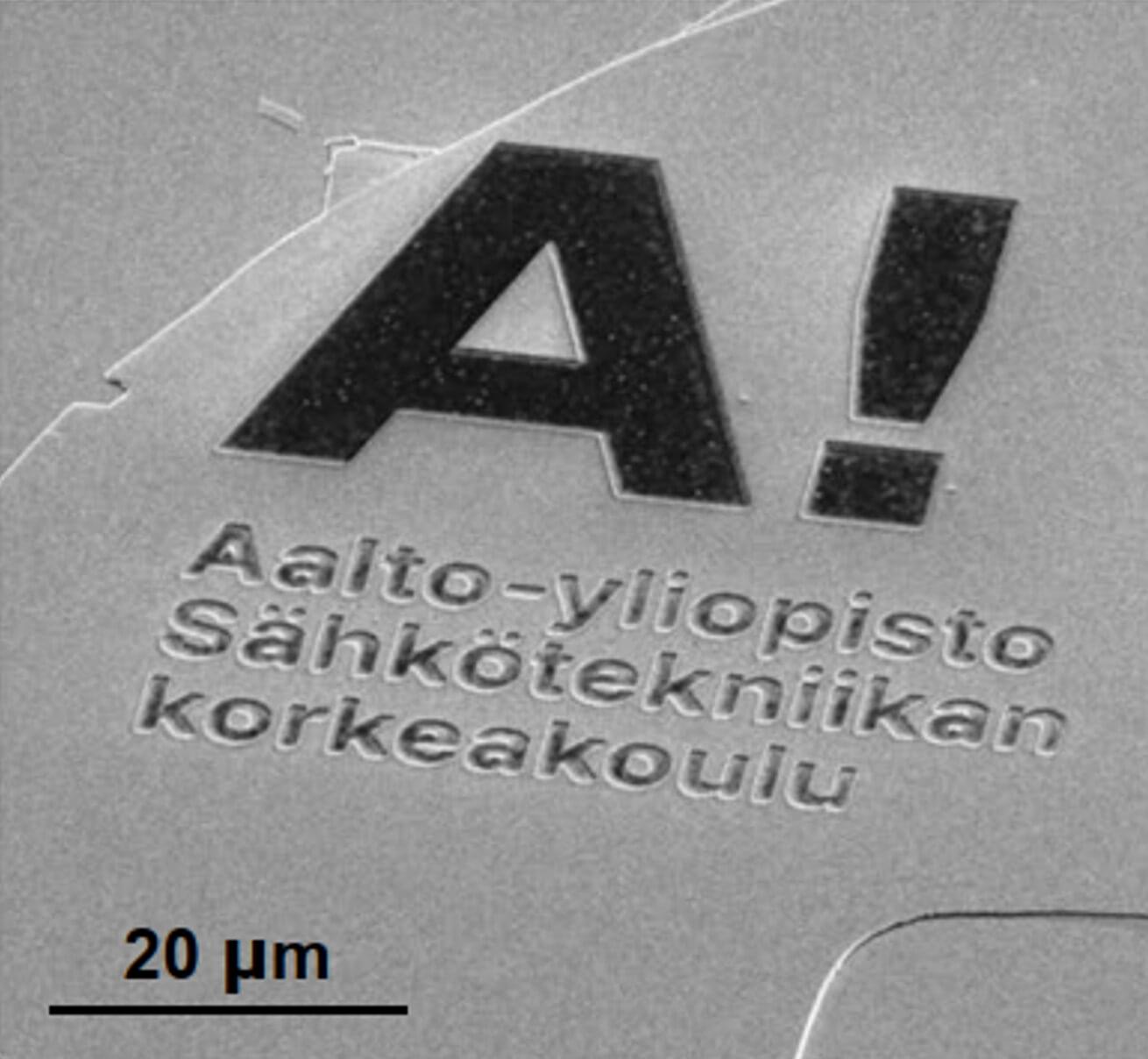
For years, scientists have dreamed of using atomically thin van der Waals (vdW) materials to build faster, more efficient photonic chips. These materials can be stacked and tuned with extraordinary precision, opening possibilities far beyond those of conventional technologies. The challenge is that they are extremely fragile, making them notoriously difficult to shape with standard nanofabrication tools.
Now, an international team of researchers including scientists from Aalto University has overcome this long-standing barrier. By developing a method for what can be described as nanoscale surgery, they were able to sculpt these delicate materials without destroying them, achieving record-breaking performance in the process.
Published in Nature Materials, the work marks an important step forward for vdW materials, shifting them from passive coatings toward becoming the active building blocks of future photonic and quantum devices.