Planetary surface missions currently operate cautiously. On Mars, communication delays between Earth and rovers (typically between four and 22 minutes), as well as data transfer constraints due to uplink and downlink limitations, force scientists to plan operations in advance. Rovers are designed for energy efficiency and safety, and to move slowly across hazardous terrain.
As a result, exploration is typically limited to only a small portion of the landing site, with rovers typically traveling up to a few hundreds of meters per day, which makes it difficult to collect geologically diverse data.
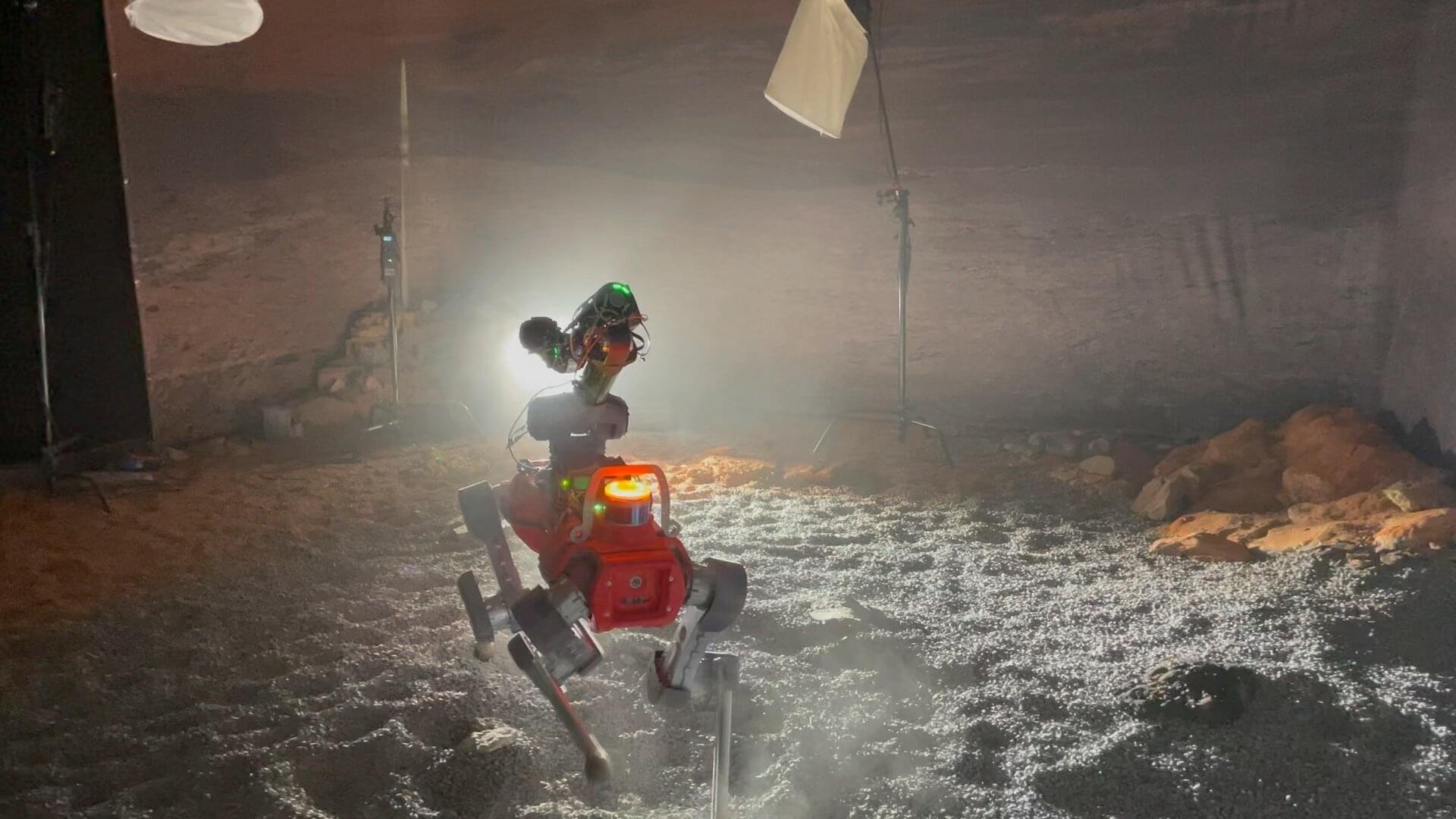
In a study published in Frontiers in Space Technologies, a team led by Dr. Gabriela Ligeza, former Ph.D. student from the University of Basel and now a postdoctoral researcher at the European Space Agency (ESA), tested a different approach: a semi-autonomous robotic explorer which can investigate multiple targets one-by-one and collect data without constant human intervention.