“When engineering a computer, you need to know the circuitry of the central processing unit. If you don’t know how everything is wired together, you can’t understand its function, optimize it or fix it when something breaks. We are approaching the brain the same way,” said study leader Boxuan Zhao, a professor of cell and developmental biology at the University of Illinois Urbana-Champaign.
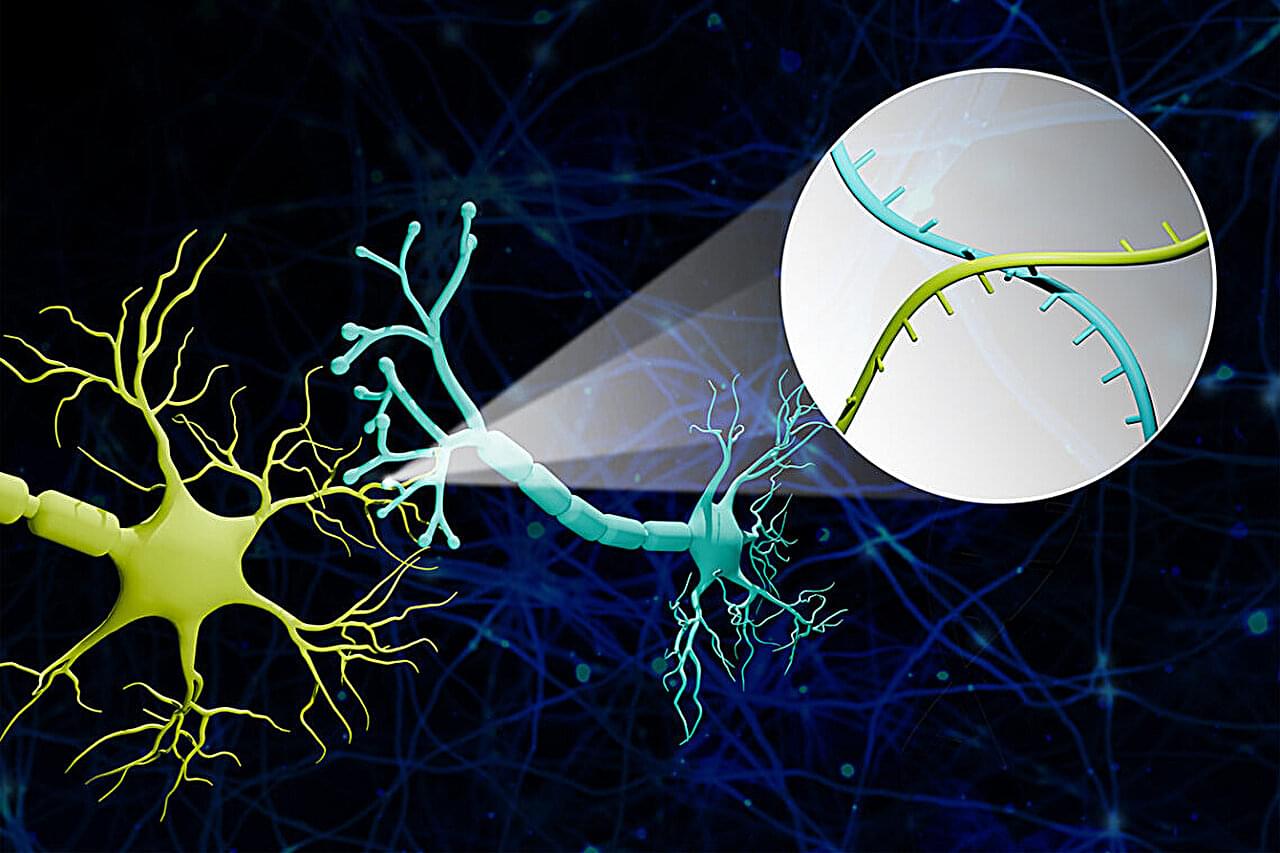
“Our technology enables simultaneous mapping of thousands of neural connections with single-synapse resolution —a capability that doesn’t exist in any current technology. It is directly applicable to understanding circuit dysfunction in neurodegenerative diseases and could provide a platform for developing circuit-guided therapeutic interventions,” he said.