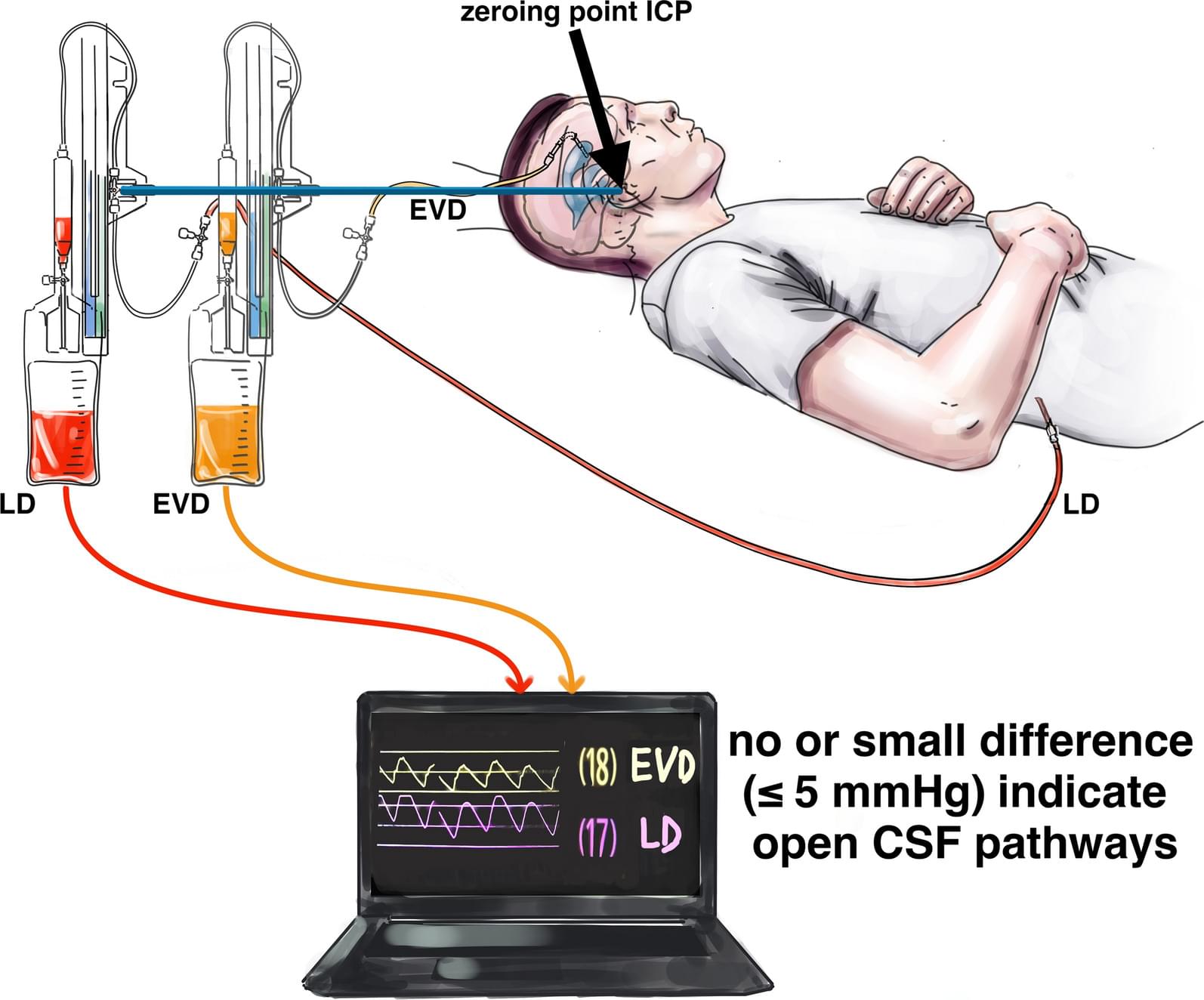
Aneurysmal subarachnoid hemorrhage is a critical condition with high case-fatality and lasting impacts on survivors. Acute events that are the direct result of aneurysm rupture, such as acute ischemia, elevated intracranial pressure, cerebral edema, seizures, and hydrocephalus, lead to early brain injury. A delayed cascade of processes, including a prominent systemic inflammatory response, may lead to secondary brain injury and delayed cerebral ischemia, which often further impairs recovery. Systemic complications, including cardiac and pulmonary dysfunction, fever, and electrolyte imbalances, arise in the interplay between early and secondary brain injury and challenge the clinical course.