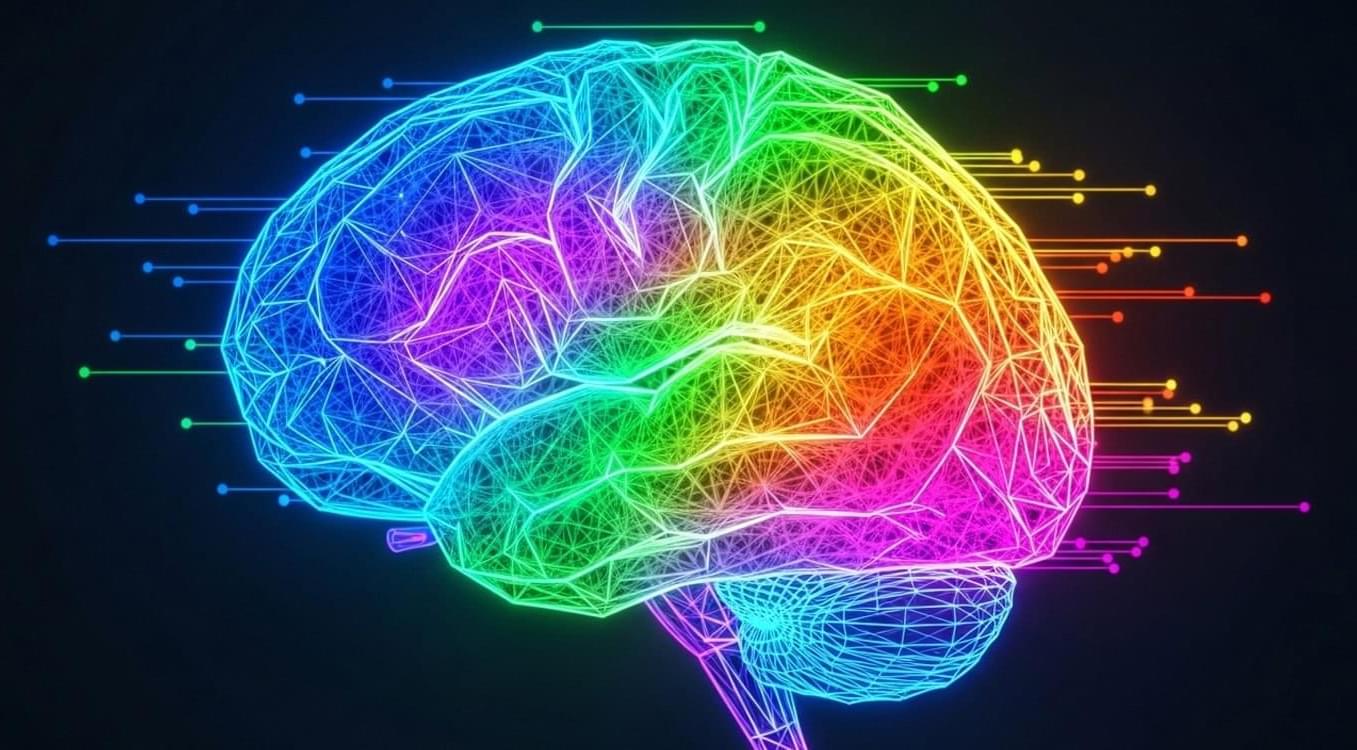
People who lose their ability to conjure visual memories after a brain injury share damage that connects to a single, highly specific brain region. A recent analysis of these rare medical cases reveals that a structure called the fusiform imagery node acts as an essential hub for the human imagination. These results, published in the journal Cortex, help explain the physical origins of our mind’s eye.
Most people can easily close their eyes and picture a childhood bedroom or the face of a loved one. This ability is known as visual mental imagery. It allows human beings to relive past events, solve spatial problems, and envision future scenarios without any external sensory input.
However, a small fraction of the population lacks this internal visual experience entirely. This absence of a mind’s eye is called aphantasia. It occurs from birth in an estimated one to three percent of people across the globe.